



Free Shipping All Orders Over $95
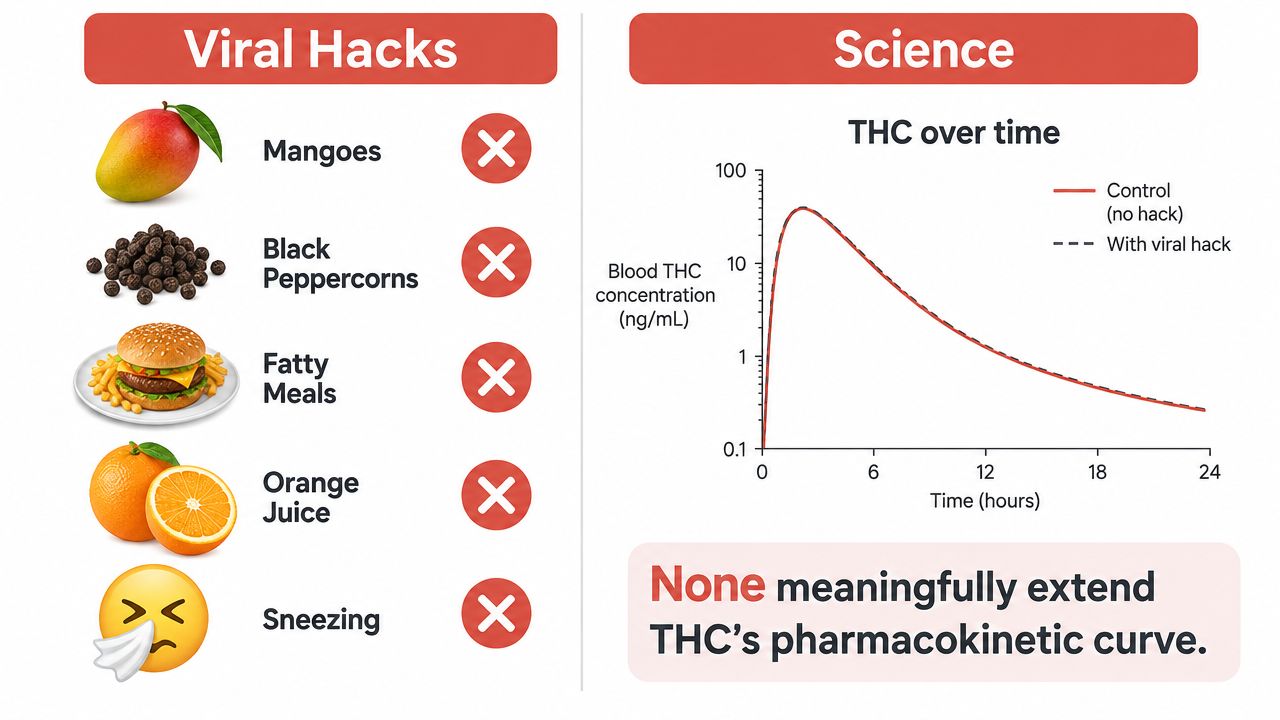
Most advice about how to make a high last longer starts in the wrong place. Mangoes, black pepper, orange juice, fatty meals, and even sneezing get presented as ways to stretch a cannabis experience, but none of them meaningfully redraw the THC curve in your bloodstream. Duration comes mainly from pharmacokinetics, meaning how quickly THC enters your system, how your body converts and clears it, and how responsive your cannabinoid receptors are.
The practical answer is less exciting but far more reliable: choose a slower delivery route, time your dose instead of chasing the first few minutes, and manage tolerance before increasing potency. Modern cannabis also starts from a stronger baseline than it did decades ago. Average THC in seized cannabis rose from 3.96% in 1995 to 11.55% in 2014 and 16.14% by 2022, according to National Institute on Drug Abuse data compiled from U.S. DEA seizures. Taking more isn't automatically the same as making the experience better or longer.
The mango theory is a perfect example of internet cannabis advice outrunning pharmacology. Mangoes contain myrcene, but eating one doesn't deliver a controlled amount of myrcene alongside THC, and it doesn't create a predictable extension of the intoxicating effect. Black pepper is sometimes recommended because its caryophyllene content may feel grounding for some people, but that isn't the same as slowing THC absorption or keeping psychoactive effects active.
Fatty food deserves a more precise explanation. Food can alter oral absorption, and a fatty carrier may make an edible feel stronger or less predictable, but stronger isn't the same as longer. If your edible hits harder, you may interpret the experience as extended, while the actual trade-off can be more impairment, more delayed intensity, and less control.
The oral route is the clearest example. A pharmacology review reports oral bioavailability of only 4% to 20%, delayed onset of 30 to 90 minutes, and effects lasting 4 to 12 hours, as summarized in this review of cannabinoid pharmacology. That long window comes from slower absorption and the way oral THC is metabolized, not from a kitchen trick.
Practical rule: If you want a longer experience, change the delivery curve before you increase the amount.
Your food, drink, and setting still matter for comfort. They don't replace route selection, measured dosing, patience, or tolerance management.
Delivery route sets the experience's timeline before strain names or terpene descriptions matter. Inhaled THC reaches the bloodstream quickly, giving you rapid feedback and more control over adjustment. The same fast rise usually produces a shorter-feeling session, especially when repeated hits push the peak higher instead of extending the useful part of the experience.
Oral products follow a slower curve. A clinical review of cannabis effects reports that edibles may become noticeable after 30 to 90 minutes, peak around 2 to 4 hours, and remain active for 6 to 8 hours or longer. At higher oral doses, impairment can continue for around 10 hours. That duration only helps if you respect the delay and avoid treating a quiet onset as permission to take more.
| Route | Onset | Peak | Duration |
|---|---|---|---|
| Smoked flower | Rapid | Rapid rise | Shorter, more adjustable |
| Vaporized flower or concentrate | Rapid | Sharper rise | Shorter, with concentrates often feeling more intense |
| Sublingual tincture | Delayed compared with inhalation | Gradual | Longer than inhalation, often more controllable than an edible |
| Oral edible or capsule | Delayed | Commonly 2 to 4 hours | Commonly 6 to 8 hours or longer, with higher doses lasting longer |
For a closer look at edible timing, read this guide to how long edibles last. Oral THC changes during metabolism. The liver converts it into 11-hydroxy-THC, a metabolite associated with the deeper, longer-lasting character many users notice from edibles.
Sublingual tinctures sit between inhalation and edibles. Some absorption occurs through tissue under the tongue, while swallowed portions take the oral route. The result can feel slower and steadier than a vape, without committing entirely to the delayed, less predictable rise of an edible.
Drinks and transdermal products also attempt to change onset or duration, but labels cannot guarantee the same curve for every person. Choose oral delivery for a planned, settled evening. Use inhalation when rapid feedback and easier adjustment matter more. Slower delivery usually extends the experience more reliably than taking additional THC after the first dose.
A longer session starts with pharmacokinetics, not a larger opening dose. Choose a delivery route that gives the THC time to develop, then leave enough room to judge the curve before adding more.
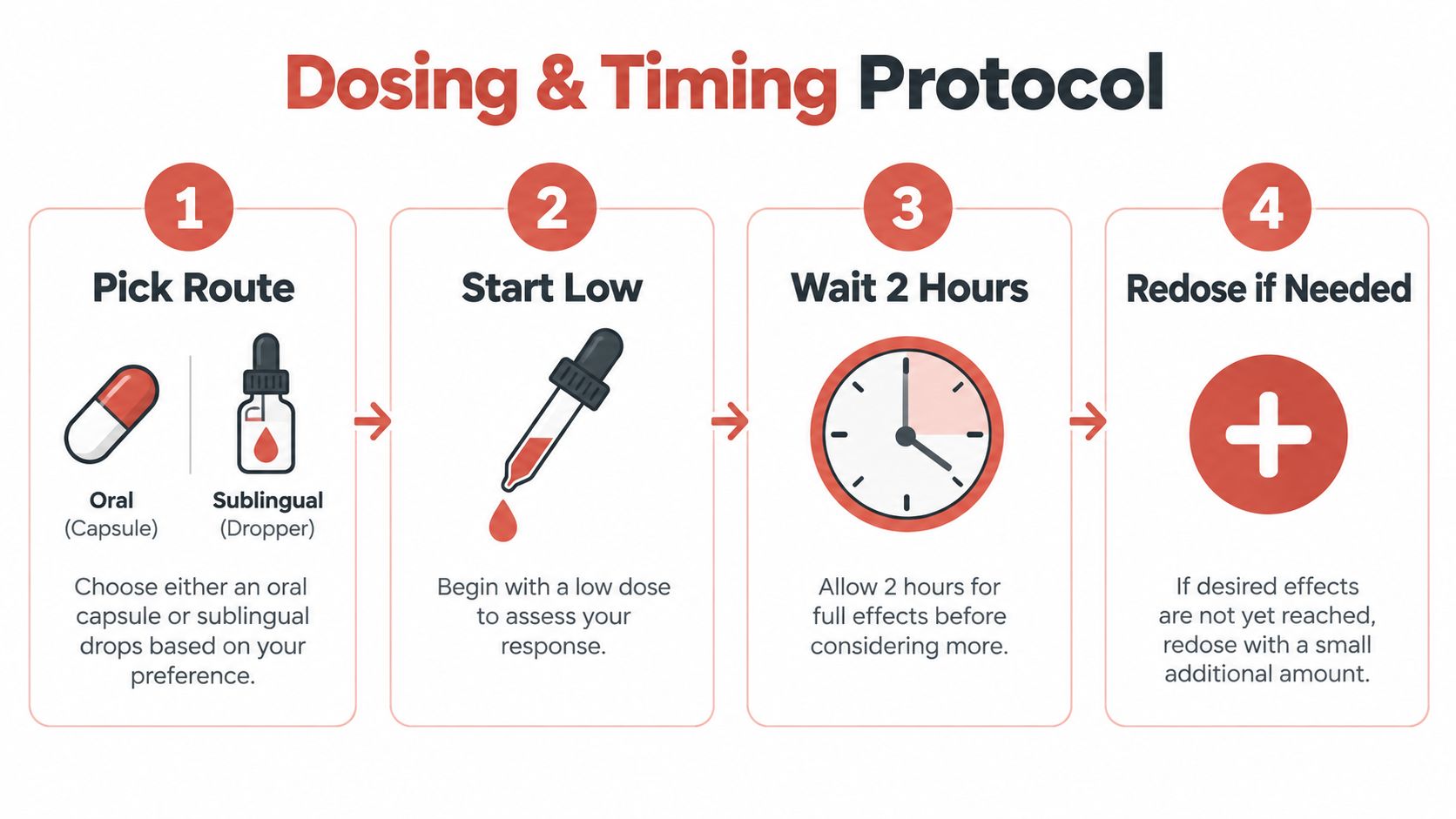
If the first dose is clearly fading and you still want a longer experience, use a smaller booster instead of repeating the original amount. A conservative framework is 25% to 50% of the initial dose, but that range makes sense only when the initial dose was modest and measured.
Do not redose before the relevant onset window ends:
Redose on the descending limb, not at the peak. Adding THC while the first dose is still climbing creates stacking, which can turn a long evening into residual grogginess and uncomfortable impairment.
For measured oral use, follow this guide to how to dose edibles. Record the product, amount, time, onset, and point when the effects began to fade. A simple log exposes patterns that one memorable session can hide.
CBD may fit a personal wind-down routine, but it is not a guaranteed brake and does not justify taking more THC. The core duration still depends on the THC route, amount, and tolerance. Patience extends more sessions than impatience ever will.
Many users think their product stopped working when their nervous system adapted to repeated THC exposure. Euphoric tolerance can develop within days to one week of daily use, while tolerance to other effects may develop over two to four weeks, according to this overview of cannabis tolerance. The result is familiar: the onset feels less dramatic, the peak seems shorter, and the user increases the dose to recover the original feeling.
That strategy often fails. A larger dose may extend residual impairment and next-day fog without restoring the quality of the high. Cannabis tolerance isn't only a product problem, so switching from flower to a vape or edible won't automatically solve it. Oral THC can feel deeper and last longer, but repeated exposure to any high-potency format can keep tolerance moving in the wrong direction.
Use the lightest intervention that matches your pattern:
The length of a break changes the experience, but there isn't a universal reset point for every user. Some people notice sleep disruption, vivid dreams, irritability, or restlessness when they stop. Those symptoms are reasons to plan the pause thoughtfully, not reasons to immediately compensate with a stronger product.
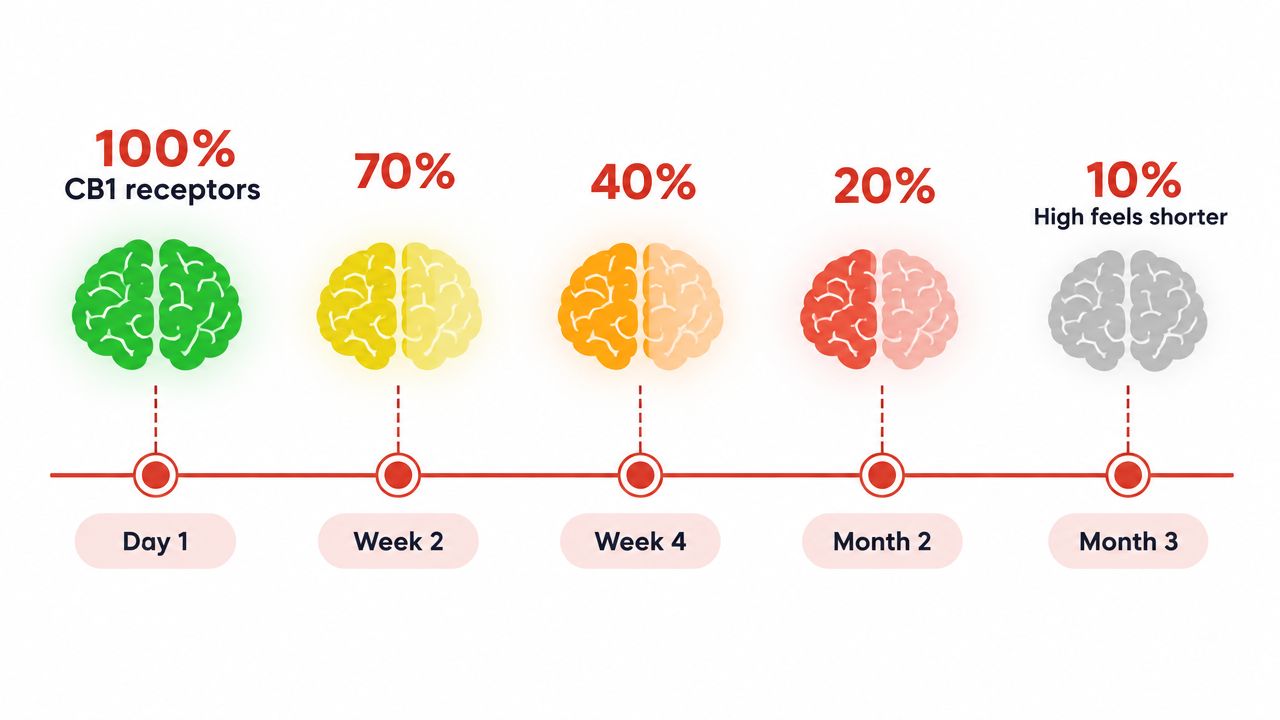
When you return, don't resume at your old amount. Start lower, use one route at a time, and avoid stacking products until you know how your sensitivity has changed. Rotation can reduce repetition, but changing strains doesn't erase tolerance because the main psychoactive driver remains THC.
Adding non-intoxicating cannabinoids such as CBD or CBG may change the feel of a session, but it won't substitute for reduced frequency. A simple log gives you evidence: record use days, product type, amount, onset, peak, and comedown. Patterns become obvious when you stop relying on memory.
The right method depends on what you need the session to do. A social gathering, a quiet movie night, and a sleep-focused evening have different timing requirements, so using the same fast, potent format for all three is poor planning.
Choose a measured oral dose taken 60 to 90 minutes before arrival if you've used that format safely before. A low dose can develop gradually and reduce the temptation to redose in public, but the delayed rise means you should stay patient and avoid taking another serving before the effects have properly developed.
| Occasion | Recommended Route | Dose Range | Onset | Expected Duration |
|---|---|---|---|---|
| Social gathering | Low-dose oral product | Measured, low amount suited to tolerance | Delayed, commonly 30 to 90 minutes | Several hours |
| Solo movies and food | Low-temperature dry-herb vaping with one later top-up | Small inhalations suited to tolerance | Rapid | Shorter waves across the evening |
| Sleep-focused night | Oral product used well before bed | 2.5 to 5 mg for an experienced, compatible user | Delayed | Long, gradual comedown |
Inhalation gives better control when you want to tune the experience around a film, meal, or conversation. Use small, spaced inhalations and consider one modest top-up only after the first wave has clearly settled and begun to descend. Concentrates can make this plan harder because their sharper intensity may encourage repeated use before the earlier dose has faded.
An oral dose taken about 90 minutes before bed may fit a slow comedown better than inhalation, which can rise and fall quickly. The 2.5 to 5 mg range is a cautious reference for people who already know how oral THC affects them, not a universal prescription. People with low tolerance should use less, and anyone who hasn't tested the product shouldn't make bedtime the first experiment.
Reverse-engineer the session from the occasion. Decide when you need the peak, how long you need to remain functional, and whether you can tolerate a delayed comedown. Then choose the route and dose that fit those constraints, rather than choosing the strongest product and hoping the timeline works out.
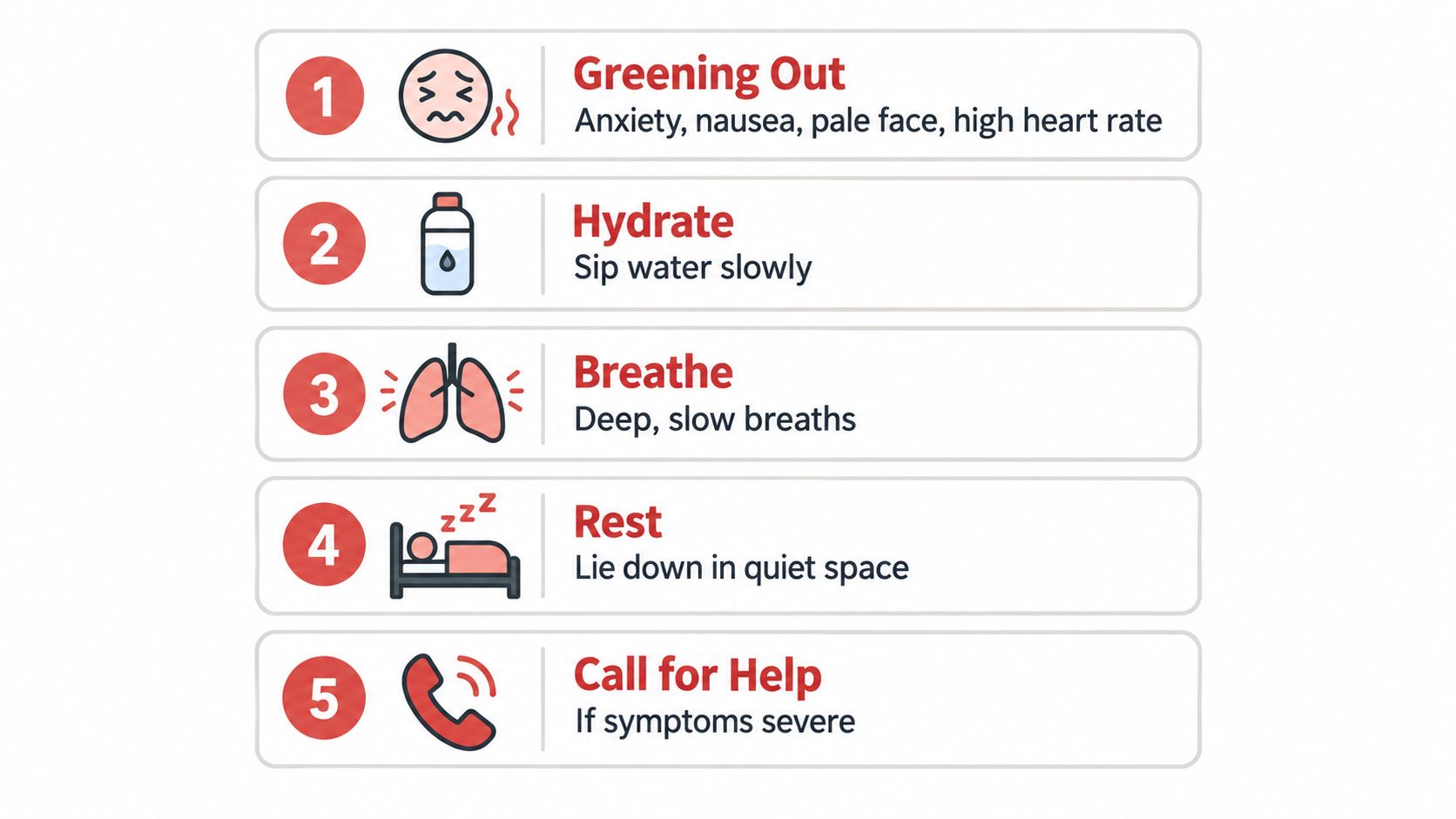
Extending a high also extends the period in which judgment, coordination, and reaction time may be impaired. Greening out commonly refers to an unpleasant cannabis reaction involving anxiety, nausea, a pale appearance, increased heart rate, or paranoia. Severe symptoms, chest pain, trouble breathing, loss of consciousness, seizures, extreme confusion, or symptoms that don't settle warrant urgent medical attention.
Don't combine cannabis with alcohol if you're trying to keep the experience predictable. Alcohol can increase impairment and nausea, so the cleanest rule is to skip it rather than trying to balance the two effects.
Safety boundary: No driving for the rest of the session. Edibles can keep impairment active far beyond the point when users think the peak has passed.
If someone has taken too much, move them to a quiet place and stay with them. Offer small sips of water and a light snack if they can tolerate it, encourage slow breathing, and keep stimulation low. CBD may be available as a personal comfort option, but it isn't an emergency treatment. Coffee is a poor fix because it can increase jitters without reversing THC impairment.
For calm, practical steps, see how to get rid of a high fast. Keep emergency contacts visible, agree on a hard session ceiling before consuming, and never redose inside the product's onset window.
Three levers control most of the result: route of administration, dose timing, and tolerance status. Slower delivery and deliberate pacing usually outperform adding more THC, because a longer high is useful only when the intensity remains manageable.
Does drinking water extend a high?
Water supports comfort and hydration, but it doesn't meaningfully extend THC's pharmacokinetic curve. Sip it for comfort, not as a duration hack.
Why do edibles feel shorter after repeated use?
Frequent THC use can reduce sensitivity, so the same edible may feel weaker or fade sooner subjectively. Increasing the amount can add lingering impairment without restoring the original quality of the effect.
Does switching strains reset tolerance?
No. A different terpene profile may change the character of the experience, but it doesn't remove tolerance to THC. Reducing frequency is the more direct lever.
How long should I wait before a tolerance break pays off?
A short pause may reveal whether habit was driving repeated dosing, while a longer break can provide a clearer reset. Reintroduce gradually rather than returning to your previous amount.
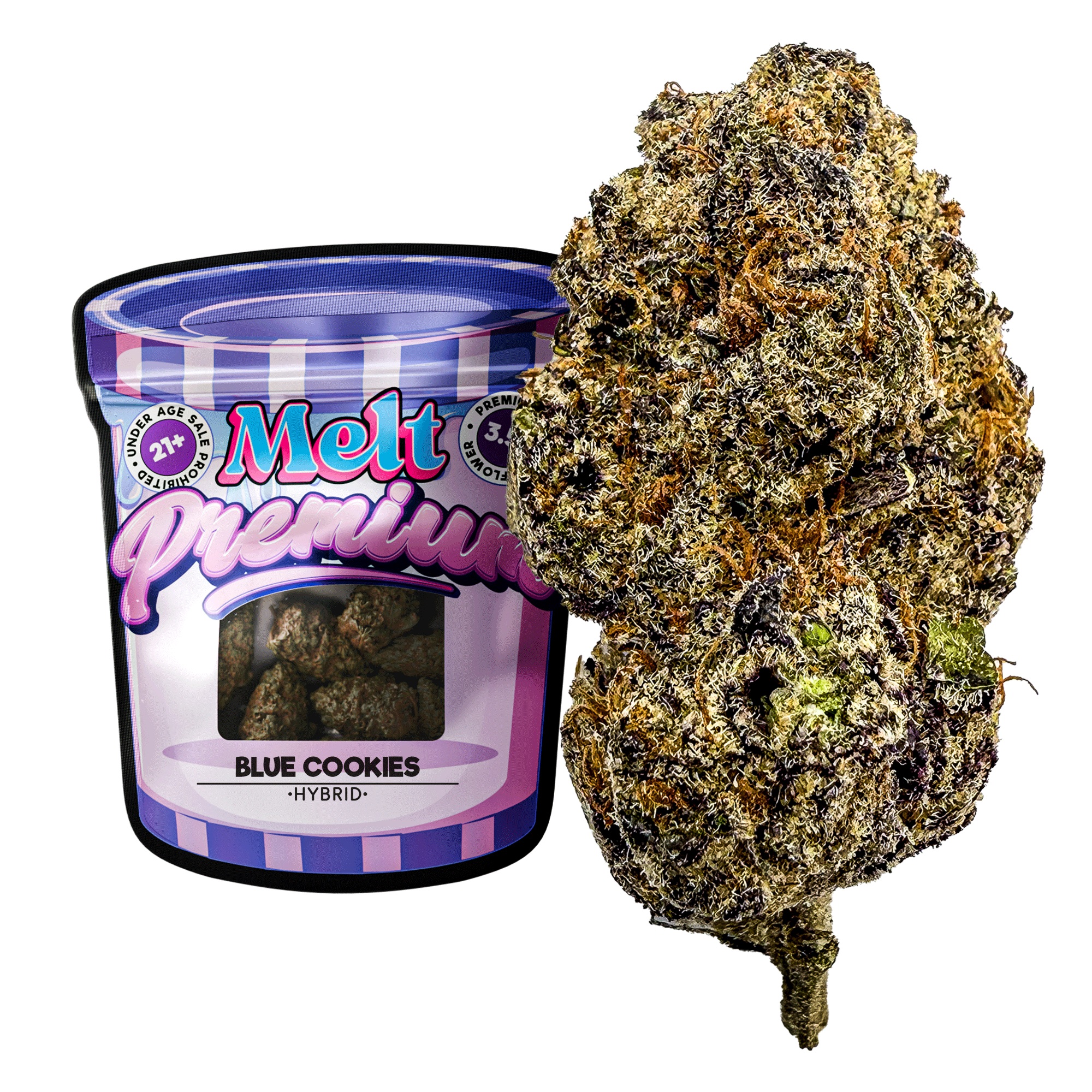
Melt offers measured cannabinoid formats including flower, vapes, prerolls, and edibles, with product guidance and lab-report information to help you choose a route that fits your timing needs. Visit Melt to compare options, review product details, and plan a more controlled session instead of chasing the high with repeated doses.
Your cart is currently empty.