



Free Shipping All Orders Over $95
Learning how to roll a filter is one of those simple skills that completely changes the game. It just takes a few quick “accordion” folds on a small piece of stiff paper, which you then roll into a tight cylinder. The result? A sturdy, functional mouthpiece that makes every smoke better.

Before we get into the technique, let’s talk about why a well-made filter—often called a crutch—is the foundation of any great smoking session. It’s way more than a scrap of paper; think of it as the architectural support for your entire roll.
A solid filter gives your joint the structure it needs, preventing the mouthpiece from getting soggy or collapsing halfway through. More importantly, it acts as a barrier to stop little bits of flower, or "scooby snacks," from flying into your mouth. Every puff stays clean and smooth.
Beyond blocking loose flower, the filter creates a small air gap between the heat and your lips. This space lets the smoke cool down just enough before you inhale, which means less harshness on your throat. It also helps you actually taste the complex terpene profile of high-quality THCA flower.
A great filter is the difference between a frustrating, wasteful smoke and a perfect, even burn from start to finish. It maximizes airflow while minimizing harshness.
This isn't just about personal preference; it has a real impact. Dispensary data reveals that a proper filter can cut down on flower waste by up to 15% by promoting an even burn and stopping scooby snacks. The same data shows 68% of consumers prefer self-rolled joints because of their better airflow, which can reduce harshness by an average of 22% per puff. You can dig into more cannabis industry statistics on Flowhub to see how these small details add up.
Choosing the right material is your first step to rolling a filter that delivers all these benefits. What you use directly impacts the sturdiness, flavor, and overall feel of your smoke.
Here's a quick comparison of common materials for rolling filters, highlighting their pros and cons for the perfect roll.
| Material | Pros | Cons |
|---|---|---|
| Pre-Cut Filter Tips | Perfectly sized, consistent, often perforated for easy folding. | Costs more than DIY options. |
| Business Cards | Sturdy, readily available, easy to handle. | Ink may affect flavor; can be too thick for some papers. |
| Index Cards | Great thickness, no ink, affordable, and easy to cut to size. | Requires you to cut your own strips. |
| Magazine/Postcard Paper | Glossy finish resists moisture well; very stiff. | Inks and coatings can release unpleasant tastes when heated. |
Ultimately, what you choose comes down to convenience and what you have on hand. Pre-cut tips are a reliable go-to, but knowing how to improvise with an index or business card is a skill every roller should have.
The foundation of a perfect roll isn't just your flower—it’s the filter. A solid crutch provides structure, improves airflow, and keeps bits of herb out of your mouth. So, let's ditch the random scraps of paper and talk about what really works.
Your best bet, hands down, is a booklet of dedicated filter tips. These are purpose-built for the job.
Of course, sometimes you have to improvise. A standard business card might seem like a good idea, but there's a major catch: glossy coatings and heavy inks can release nasty chemicals when heated. You definitely don’t want to inhale that.
If you’re going the DIY route, an index card is a much better choice. It’s sturdy, ink-free, and you can easily cut it down to the exact size you need. A good rule of thumb is to match the filter’s width to your roll—a thinner strip for a slim joint and a wider, stiffer piece for a heavy blunt. This ensures a snug fit that won't block the airflow.
The secret to a premium roll is starting with clean, quality materials. The right paper preserves your flower's unique flavor and ensures you aren't inhaling unwanted inks or chemicals.
Ultimately, having the right supplies on hand makes the entire process smoother. Just like you need a quality grinder for an even burn, you need good paper for a perfect filter. To dial in your entire prep routine, check out our guide on how to properly grind your flower.
Alright, you’ve got your materials sorted. Now for the fun part—actually rolling the filter. This is where the real skill comes in. There are a couple of tried-and-true techniques every roller should know: the “Accordion” fold and the “Simple Spiral.”
Each one changes the way your joint hits, so knowing both gives you control over the final smoke. We’re not just stuffing paper in the end; we’re crafting a mouthpiece that makes or breaks the entire experience. Your choice here directly impacts structure, airflow, and how well it filters.
The Accordion fold, also known as the "W" or "Z" fold, is a favorite among seasoned rollers for a reason. It creates an inner zig-zag that’s amazing at stopping tiny bits of flower from getting through. This is your go-to style if you’re using a fine grind or just want to make absolutely sure you avoid any "scooby snacks."
The secret is keeping those first few folds really crisp and even. A well-made Accordion filter gives you the best of both worlds: a solid barrier against debris and a smooth, easy draw.
This method also adds a ton of structural support to the base of your joint, so it’s less likely to get crushed or soggy.
If you’re all about an airy, open draw, the Simple Spiral is the way to go. It’s a faster roll and creates a less restrictive filter. Some people swear this style lets more of the raw terpene flavor come through on the first few pulls.
Before you start either fold, it helps to visualize the fundamentals.

As you can see, the material, size, and thickness you choose are the foundation for a good roll and a great smoke.
To roll a spiral, make a very small, tight fold right at the tip of the paper. This creates the inner anchor. From there, just continue rolling the paper around that initial fold, keeping the tension even all the way to the end. The trick is to roll it tight enough to hold its shape but loose enough that you can still breathe through it. A spiral that’s too tight is a session-killer.
Once you’ve got these styles down, you can start experimenting. For anyone looking to really level up their rolling game, check out our guide on how to roll a cross joint.

If you’ve already mastered the classic Accordion and Spiral filters, it’s time to get artistic. Rolling a filter into a cool design like a star or heart isn’t just about showing off—it’s the ultimate mark of a skilled roller.
These advanced shapes are perfect for making a session with friends feel a little more special. Just know that they demand more patience and a longer strip of filter paper. You'll quickly find that standard pre-cut tips just don't have the length for this kind of work, so cutting your own from an index card is the way to go.
To create a shape like a star, you'll need to make a series of sharp, precise folds to form the points. For a five-pointed star, that means creating five even sections, folding them concertina-style, and then wrapping the rest of the paper around the outside to hold it all together.
These intricate designs do more than just look good—they totally change the airflow. The multiple small channels cool the smoke far more effectively than a simple spiral, giving you an exceptionally smooth hit.
While these filters are the perfect final touch for a hand-rolled masterpiece, they definitely take time. If you're looking for other ways to improve your rolling workflow, an automatic joint roller machine can help you speed up the rest of your prep.
Even the most experienced rollers hit a snag now and then. We’ve all been there—you’re about to seal the perfect cone, and the filter suddenly slips out. Or you take that first pull, and it feels like you're trying to sip a thick milkshake through a coffee straw.
These moments are frustrating, especially when you’re wasting time and good flower. But don’t worry, the fixes are surprisingly simple once you know what’s causing the problem.
There’s nothing worse than finishing a beautiful roll, only to have the crutch slide right out onto your lap. This almost always happens for one of two reasons: the filter was rolled too loosely, or it isn't creating enough friction against the paper to stay put.
The secret is adding a simple "lock fold." Before you even place the filter into your joint paper, just give the outer edge a tiny reverse fold.
This creates a small "lip" that catches on the inside of the roll. When you finish rolling the joint, that tiny fold provides just enough friction to lock the filter in place, preventing it from unraveling or making a break for it.
A loose filter doesn't just fall out—it creates gaps that let bits of flower through and can lead to an uneven, canoeing burn. That little lock fold is your best friend for a secure, clean smoke.
On the flip side, you have the filter that’s packed way too tight. If you can’t get any airflow and the joint keeps going out, your crutch is almost certainly the culprit. This is a classic sign of a filter that’s too dense.
With a Simple Spiral, it usually means you coiled it too aggressively. If you’re using the Accordion or "W" fold, it’s often because you made too many small, tight folds, creating a solid block instead of open air channels.
The fix is all in your first few folds. For an Accordion style, aim for just three crisp folds to make your "W." Any more than that and you start closing off the airway. If you prefer a Spiral, focus on guiding the paper into a loose coil from the very start—don't try to pull it tight.
It takes a bit of practice to find that sweet spot between a solid structure and an open draw, but paying attention to how you start the roll makes all the difference.
Alright, let's clear the air on some of the most common questions people have about rolling filters. Whether you're a seasoned pro or just figuring things out, getting these details right can make all the difference in your next session.
In a word? No. We’ve all been tempted, but reusing an old crutch is one of the fastest ways to ruin a perfectly good joint.
A used filter is saturated with tar and resin from your last smoke. When you light up again, you’re just re-burning all that old, stale gunk, which completely masks the clean, terpene-rich flavor of your fresh flower. Think of it like pouring a fresh-brewed coffee into a dirty mug—you just end up with a bitter, disappointing experience. For the best taste and smoothest hit, always start with a fresh filter.
A standard paper or cardboard filter is there to provide structure, block stray bits of flower, and cool the smoke. It's not designed to filter out active compounds like THCA or the terpenes that give your flower its unique taste and smell.
Nope. A properly rolled paper or cardboard filter won't touch the potency of your THCA flower. It’s not built to screen out cannabinoids or terpenes.
In reality, a good filter actually enhances the experience. It lets you enjoy the flower’s full profile without coughing on loose plant matter or dealing with a harsh, unfiltered hit.
You’ll hear all three terms used for the same thing: that little piece of rolled paper at the mouthpiece of a joint. They’re pretty much interchangeable.
While "filter" is a common name, many long-time smokers prefer "crutch" or "tip" because it’s more accurate. The piece doesn't actually filter smoke like a cigarette butt does. Instead, it acts as a structural support (a 'crutch') and a clean mouthpiece.
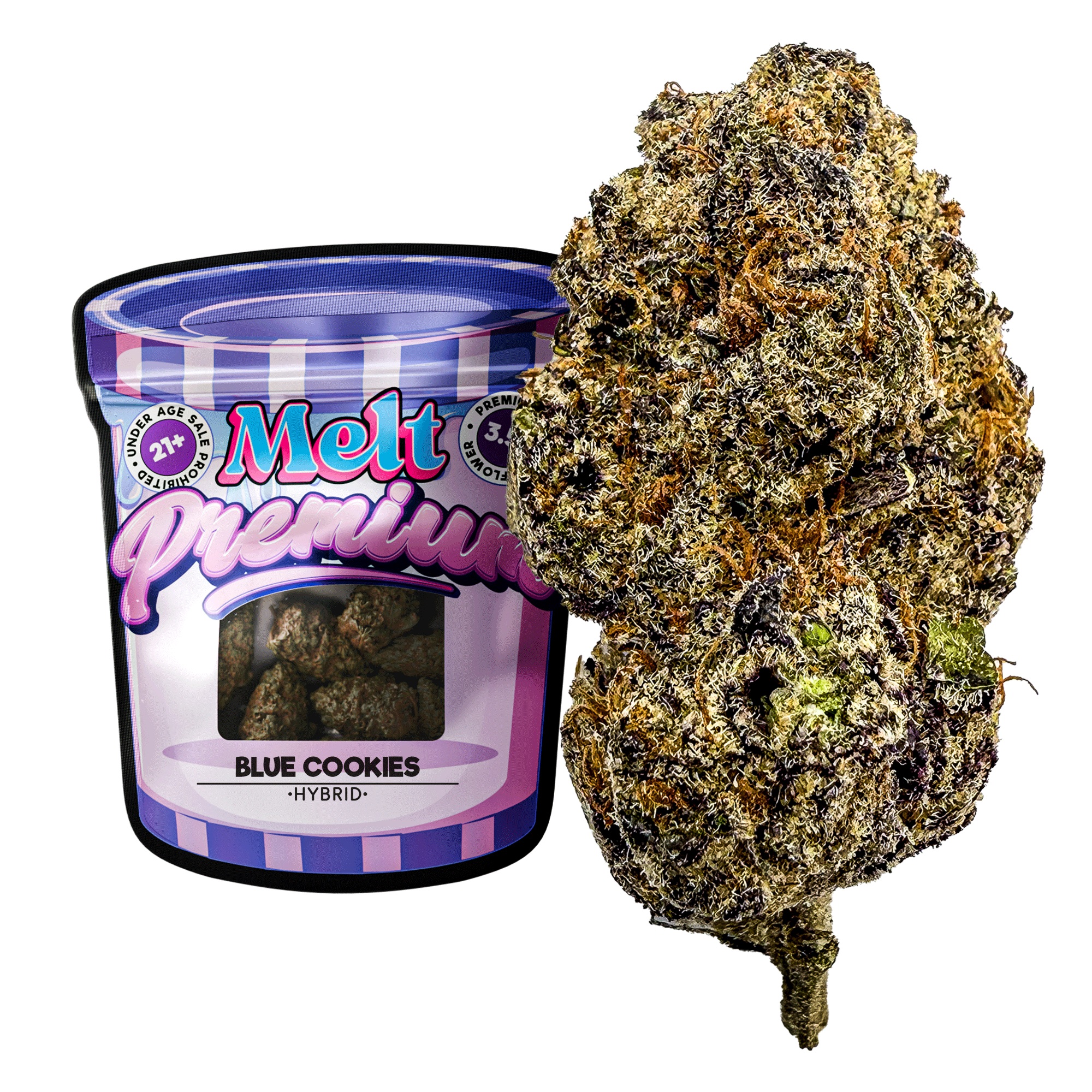
Ready to put these tips into practice with some of the best flower around? At Melt, we offer a curated lineup of premium, lab-tested THCA flower with the bright, juicy California flavors you deserve. Explore our collection and elevate your next session at https://meltofficial.com.
Your cart is currently empty.