



Free Shipping All Orders Over $95
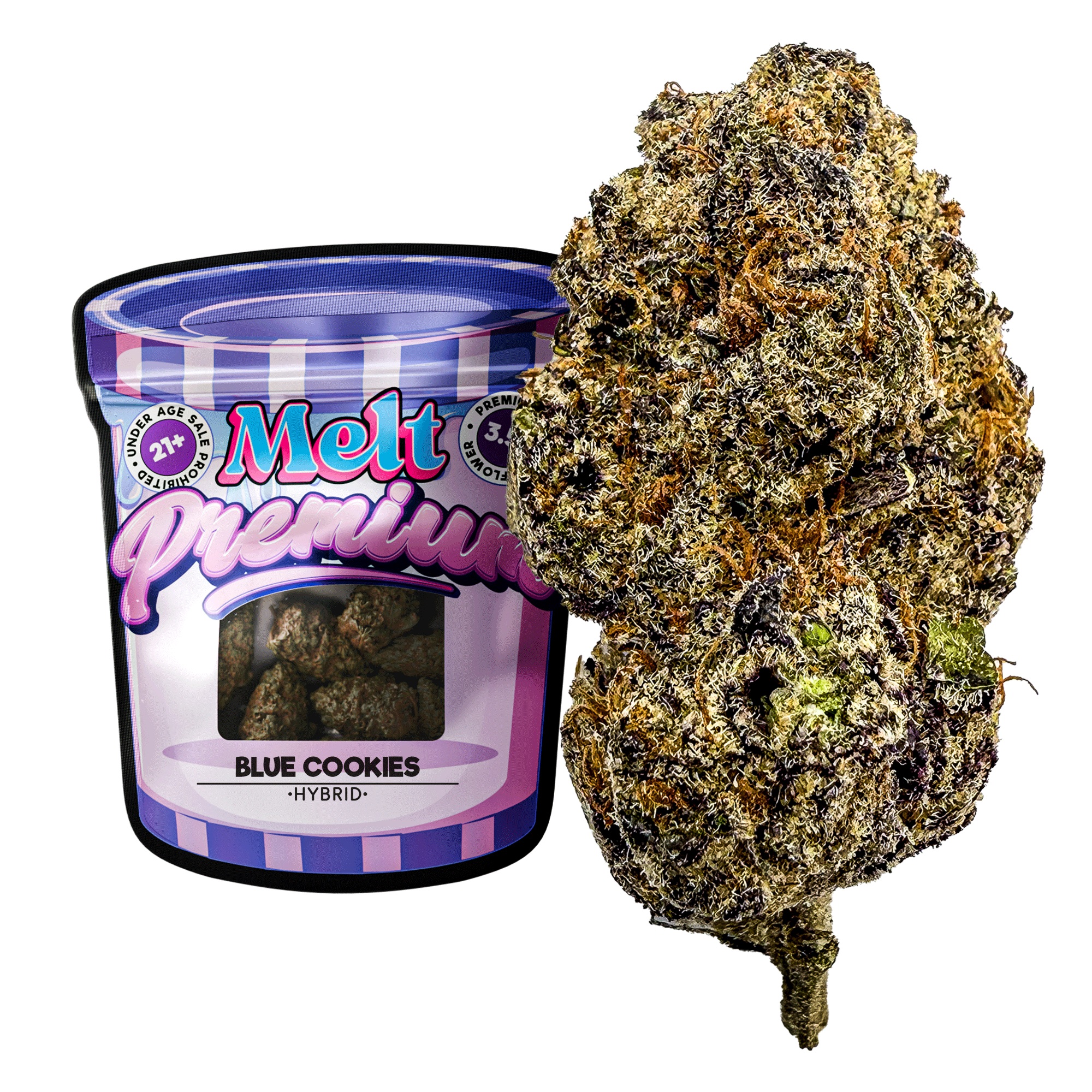
You've probably done this before. You crack open a jar, pick up a nug, tilt it under the light, and look for that icy sparkle. If the flower looks frosty, sticky, and almost sugar-dusted, your brain immediately tags it as the good stuff.
That instinct isn't random. The glittery coating you're seeing is one of the most important visual clues in cannabis. If you understand trichomes on weed, you can make much smarter calls about quality, flavor, and the kind of experience a flower is likely to deliver.
For growers, trichomes help time a harvest. For consumers, they're a way to read the plant itself. That matters whether you're checking premium flower in a dispensary, comparing jars at home, or trying to understand why one batch of THCA flower smells loud and hits clean while another only looks impressive.
When people say a bud is “frosty,” they're talking about trichomes. These are tiny resin glands that sit most densely on cannabis flowers and the upper leaves around them. They're small enough to be hard to see clearly with the naked eye, but they're responsible for a huge part of what makes cannabis cannabis.
According to the LSU AgCenter's explanation of cannabis resin glands, trichomes are the plant's primary biosynthetic and storage site for cannabinoids and terpenes. In plain English, that means they're the structures that make and hold much of the resin containing compounds tied to potency, aroma, and effect.

If you only judge flower by nug size, density, or color, you can miss the true story. A big bud can still be underwhelming. A smaller bud with dense, healthy resin can be much more interesting.
That's why visible trichome coverage is often a better clue than flower size alone. Those little glands are where the chemistry lives. They're tied to the cannabinoids and aromatic compounds that shape how a strain smells, tastes, and feels.
A lot of confusion starts here. People often treat trichomes as decoration, like they're just a pretty finish on the flower. They're not. They're closer to the plant's active surface layer.
Practical rule: If a flower looks lively, resinous, and well-preserved, you're usually seeing signs of stronger chemical potential, not just better bag appeal.
For a consumer, trichomes can help answer three useful questions:
If you want a deeper primer on the aromatic side of the experience, this guide on what terpenes are in weed is a good companion read.
Not all trichomes do the same job, and not all of them matter equally to the consumer. If you zoomed way in on cannabis flower, you wouldn't see one uniform layer of crystals. You'd see different gland shapes and sizes.
Think of them like three kinds of production sites on the plant. One is tiny and subtle. One is mid-sized. One is the heavy-duty factory, responsible for the most significant output.

Research summarized in this trichome maturity overview identifies bulbous, sessile, and stalked glandular trichomes, and notes that stalked trichomes produce the greatest amount of cannabinoids. The same source also cites a proteomics study estimating that major cannabinoids stored in trichome heads account for over 15% of the female flower dry weight.
Here's the practical version.
| Trichome type | What it looks like | Why it matters |
|---|---|---|
| Bulbous | Very small, barely noticeable | Present on the plant, but not the main resin stars for consumers |
| Sessile | Broader head, little to no visible stalk | More relevant than bulbous, but still not the headline act |
| Stalked | Mushroom-like, with a distinct stalk and head | The main resin factory and the most important type for cannabinoid production |
When people rave about top-shelf flower, they're usually responding to heavy development of the larger, more visible gland heads. Those are the trichomes that make a bud look sandy, sticky, and bright under magnification.
This is why two buds can both look decent from a distance but feel completely different up close. One may have a dusty-looking surface and weak resin structure. Another may be coated with well-formed gland heads that look swollen and intact.
The most important frost isn't random sparkle. It's a field of mature resin heads.
You don't need to be a grower to care about trichome type. As a buyer, this gives you a more useful mental model for quality. You're not just looking for “a lot of white stuff.” You're looking for signs that the flower developed the right resin structures and kept them intact through harvest and handling.
That shift in perspective changes how you shop. It pushes you to value resin quality over empty visual hype.
The color of trichomes tells a story about maturity. This is one of the most valuable things a consumer can learn, because the same flower can produce a different experience depending on when it was harvested.
A simple way to think about it is a traffic light. Clear means keep going. Cloudy means the sweet spot. Amber means the chemistry is moving into a later stage.

According to Norddampf's guide to trichome maturity and harvest timing, trichome maturity is one of the most important harvest indicators because color changes track cannabinoid chemistry. The same source explains that clear trichomes are generally considered immature, milky or cloudy trichomes are associated with peak THC, and amber trichomes indicate oxidation of THC and higher CBN content.
Clear trichomes look glassy and transparent. They usually signal that the flower is still developing and hasn't reached full chemical maturity.
For the consumer, this often means the flower may feel less complete. The aroma can seem less developed, and the effect profile may come across as thinner or less satisfying. A bud can still look nice at this stage, which is why visual maturity matters more than simple surface sparkle.
Cloudy trichomes look opaque, almost pearly. This is the stage many people associate with the most desirable harvest window for vibrant flower.
The reason is straightforward. Once the resin heads turn cloudy, they're widely associated with peak cannabinoid accumulation. This is the zone many connoisseurs chase when they want flower that feels expressive, flavorful, and strong without slipping too far into late-stage degradation.
If you want to see this process in motion, this quick visual breakdown helps:
Amber trichomes have a warm golden or brownish tint. At this point, the chemistry is shifting. The resin is no longer just building. It's also aging.
That doesn't make amber “bad.” It changes the likely effect profile. Flower harvested later often leans heavier, softer, and more sedating than flower taken earlier in the cloudy window.
Many experienced consumers prefer some amber for a deeper body feel, while others want mostly cloudy heads for a brighter, punchier profile.
Some growers use rough visual targets to guide timing, but consumers should use those targets as context, not dogma. A plant isn't a machine. Different cultivars express maturity differently.
Still, the broad reading system is useful:
The key is that trichomes on weed aren't just pretty. They function like a visual language for maturity. Once you learn that language, you stop buying flower based only on branding or strain names.
You don't need a lab to inspect trichomes. You do need magnification. These resin glands are tiny, and casual room lighting can make almost any decent flower look better than it really is.
GreenBroz notes in its overview of trichome development stages that trichomes can range from about 10 micrometers to 500 micrometers, and that many experienced growers target roughly 70% cloudy and 30% amber for harvest decisions. That range explains why naked-eye inspection only gets you so far.

A modern phone camera can help, especially if it has a macro mode. It won't always give you a perfect trichome read, but it can reveal whether a bud looks resin-rich or oddly dull.
A jeweler's loupe is the classic next step. It's small, affordable, and good enough for most home checks. If you want clearer detail, an entry-level digital microscope gives you a much easier view of trichome heads and color.
Here's a simple toolkit:
It's common for people to be misled. Sugar leaves can frost up early and make a sample look more mature than the actual flower. If you want a realistic read, look closely at the flower itself, especially the calyxes, not just the leaf edges.
Also, don't judge the whole nug from one tiny spot. Check multiple areas. Resin development can vary across a flower.
Inspection habit: Look at more than one point on the bud, and prioritize the flower surface over the surrounding leaf material.
Natural-looking light helps. Very warm light can make resin look more amber than it is. Harsh flash can wash out detail. A steady hand matters more than fancy gear.
A few practical habits make inspection easier:
Visual inspection is powerful, but it still works best alongside lab transparency. If you want to pair what you see with what a product's testing says, this guide on how to read a certificate of analysis helps connect the dots.
A beautiful crop can lose a lot of its value after harvest if the resin isn't protected. Trichomes are delicate. They can rupture, smear, dry out, or break off under rough handling, bad storage, and sloppy post-harvest practices.
That matters because the flower experience you pay for lives in those resin glands. Damage the heads, and you can lose aroma, flatten flavor, and change the effect profile long before the product ever reaches your grinder.
Heat is a problem. Excess light is a problem. Constant friction is a problem too. If flower gets tossed around, packed carelessly, or stored in a way that lets it dry out and crumble, the surface resin takes the hit first.
Consumers see this all the time without naming it. You open a jar and the bud looks tired. The smell doesn't jump out. The nug feels dusty instead of tacky. That usually points to compromised resin, not just “an okay strain.”
Good storage is simple. Keep flower in a sealed glass jar, store it in a cool dark place, and avoid opening it over and over just to admire it. Every unnecessary touch removes a little of what makes the flower special.
A few habits go a long way:
If you protect the resin, you protect the session.
Curing matters here too. A frosty flower that was dried or cured poorly can still disappoint. Trichomes may survive physically while the aroma softens, the smoke gets harsher, or the flavor loses detail.
Once you understand trichomes, concentrates stop feeling mysterious. Kief, hash, and rosin are all built around the same idea. They collect or express the resin glands that already sit on the flower.
That's why concentrates can feel like a more distilled version of the plant. You're interacting with the resin in a more isolated form, rather than smoking all of the surrounding plant material.
Kief is the loose, powdery material made up largely of detached trichomes that fall away from flower. Hash takes collected resin and compresses it into a more unified form. Rosin uses heat and pressure to squeeze resin out of flower or hash without relying on solvents.
A lot of consumers overcomplicate this category. The cleanest mental shortcut is this:
Concentrates don't magically fix bad starting material. If the flower had weak aroma, poor maturity, or damaged resin, concentrating it won't create excellence out of nowhere.
That's why connoisseurs pay close attention to source flower. Premium concentrates usually begin with flower that already had standout resin development and preservation. The extraction method matters, but the trichome quality matters first.
If you want a cleaner comparison of the concentrate side, this breakdown of rosin vs resin is useful.
Learning about trichomes on weed improves more than your flower shopping. It also helps you understand why one jar of hash smells vivid, why another dab tastes flat, and why some solventless products feel so expressive. In every case, you're judging the same core material. You're just seeing it in different forms.
Not always. Dense trichome coverage is important, but it isn't a complete quality score. Peer-reviewed research discussed in this review of cannabis glandular trichomes notes that the exact benefit of cannabinoids and terpenes for the plant remains unresolved and may be defense-related, which leaves room to question whether dense trichomes always translate directly into a better human experience.
For consumers, that means appearance is only part of the picture. Terpene profile, curing, freshness, and degradation still matter.
Yes, but only to a point. Trichome maturity can suggest whether a flower may lean brighter or heavier, especially when you compare mostly cloudy heads with more amber development. It can't fully tell you how a strain will feel in your body, because the broader chemical profile and product handling also shape the result.
No. Trichomes help you assess resin quality and maturity with your own eyes. A lab report helps confirm cannabinoid content, compliance, and other product details. The smartest buyers use both.
Usually because the flower looked good once but wasn't preserved well. Resin can be abundant and still get degraded by age, heat, light, rough trimming, or poor curing. That's why bag appeal and actual performance don't always match.
If you remember one thing, make it this. Frost gets your attention. Condition, maturity, and preservation decide whether that frost still delivers.
If you want cannabis that looks good and holds up under closer inspection, Melt is worth a look. Their lineup focuses on premium hemp-derived products, including THCA flower, prerolls, disposables, and edibles, with third-party testing and transparent lab reports that make it easier to match what you see with what's in the product.
Your cart is currently empty.