



Free Shipping All Orders Over $95
You're probably here for one of three reasons. You want something discreet enough for a quick solo hit, you're tired of wasting flower in a larger bowl, or you've used a cheap metal one hitter before and want to know whether a better one can smoke well.
That's the right question.
A metal one hitter is one of the simplest tools in cannabis, but simple doesn't mean foolproof. The difference between a good experience and a harsh, hot, stale-tasting one usually comes down to material quality, packing technique, cleaning habits, and realistic expectations. Metal is portable and tough. It's not always the best choice for flavor. It also raises a fair question that a lot of product pages skip over entirely: what exactly am I heating and inhaling through over time?
If you care about low-waste sessions, quick personal use, and carrying flower without broadcasting the smell, pairing a one hitter with a proper smell-proof storage setup matters almost as much as the pipe itself.
A metal one hitter earns its place in the kit when the job is small, fast, and controlled.
Think about the common real-world use case. You're stepping outside for a short break. You don't want to grind through a full bowl, deal with a fragile glass piece, or carry something bulky that rattles around in a bag. You want one clean draw, maybe two, then back to your day. That's where the format makes sense.
For years, people have kept metal one hitters for the same basic reasons. They fit in a pocket, they don't shatter easily, and they let you use a tiny amount of flower without turning every session into a production. That practical appeal has outlasted trendier gear because it solves a specific problem well.
A metal one hitter tends to shine in situations like these:
A one hitter works best when you treat it like a precision tool, not a miniature spoon pipe.
That distinction matters. People get disappointed with one hitters when they expect a long, relaxed session from a device built for restraint. Used as intended, the format is efficient and satisfying. Used like a pipe you keep relighting over and over, it gets harsher, dirtier, and less pleasant fast.
Metal isn't the romantic choice. Glass usually wins on flavor, and wood has its own character. But metal keeps showing up in daily carry because it's practical in a way other materials often aren't.
Drop it, toss it in a case, carry it with a dugout, clean it, use it again. That ruggedness is the point. For people who value convenience over ritual, a good metal one hitter can feel less like a novelty and more like a dependable tool.
A metal one hitter is a narrow smoking tube with a tiny bowl on one end and a mouthpiece on the other. You load a small amount of ground flower into the bowl, light it, inhale, and clear it. That's the whole system.
It helps to think of it as a single-serving pipe. Not a session piece. Not a social piece. Not something built for repeated heavy pulls without pause.

Most metal one hitters have just a few functional parts:
That simplicity is part of why they're so common. Less hardware means less to break and less to learn.
The defining trait is the bowl size. According to Pro 420's breakdown of one-hitter basics, metal one-hitter pipes are generally slender tubes about 2 to 4 inches long, with a chamber that holds about 0.02 to 0.1 grams of flower, translating to roughly 25 to 100 mg of total cannabinoids depending on strain potency.
That tiny capacity is the entire point.
It gives you natural portion control. It also cuts waste. If you've ever packed a larger bowl for one person and watched the second half go stale between hits, you already understand why so many experienced smokers keep a one hitter around.
Practical rule: A one hitter should feel slightly limited. That limitation is what makes it useful.
A metal one hitter is not ideal for:
That doesn't make it inferior. It just means the design has a lane. Inside that lane, it performs well. Outside it, the trade-offs become obvious.
If you approach a metal one hitter as a compact, durable, low-waste way to take a very small amount of flower efficiently, it makes perfect sense. If you expect it to smoke like a full-sized hand pipe, it won't.
The biggest beginner mistake is treating a one hitter like a tiny bowl you can cram full and rip hard. That usually leads to clogged airflow, loose ash in the mouth, and a hotter hit than you wanted.
Used properly, it's simple and reliable.

A medium, even grind usually works best. Flower that's too chunky burns unevenly and leaves dead spots in the bowl. Flower that's too fine can pull through too easily and make the hit taste ashy.
The easiest loading method is to press the bowl end gently into ground flower and twist. If you want a deeper walkthrough, this guide on how to pack a one hitter covers the basic packing approach well.
You want the material secure, not compressed into a plug.
Try this sequence:
A good pack has slight resistance, not a vacuum seal.
A one hitter responds better to a controlled draw than a forceful inhale. Touch the flame to the bowl end and pull steadily. Don't torch it for too long. You're trying to ignite the surface and let the ember carry the rest.
This visual demo shows the basic motion and pacing:
Pulling too hard usually makes the hit rougher, not stronger.
If the one hitter is packed correctly, a slower draw gives you better control over burn rate and keeps bits of ash from getting sucked through the stem.
A few simple habits make a noticeable difference:
What doesn't work is overfilling the bowl, relighting burnt material repeatedly, or using damp flower. That's how you turn a clean little tool into a harsh resin tube.
A dirty metal one hitter tastes bad long before it becomes fully clogged. Resin buildup narrows airflow, old ash taints fresh flower, and the whole experience gets hotter and harsher. Cleaning isn't cosmetic. It directly affects taste, draw resistance, and whether the pipe still feels worth using.
A lot of smokers wait until the pipe is nearly sealed shut. That's backward. Light maintenance keeps the deep-cleaning sessions easier and preserves the smoking experience.
After a session, empty the ash while it's no longer glowing but before residue hardens.
A simple routine works well:
If you use a dugout or compact carry case, clean that setup too. Resin and old plant dust transfer back onto the pipe and flower more than people realize. For broader pipe upkeep habits, this guide on cleaning a bowl is useful background.
When the pipe starts tasting stale or the draw gets restricted, it's time for a deeper clean. Existing consumer guidance around metal one hitters generally points to wiping, soaking in isopropyl alcohol, and avoiding abrasive methods, as noted in The Green Dragon CBD's discussion of glass and metal one hitters.
That's a good baseline. Keep it simple:
What doesn't work well is scraping aggressively with harsh metal tools or leaving moisture trapped inside the pipe before storing it.
Residue changes flavor faster than most people notice. Then one day every strain starts tasting the same.
Many shoppers ask whether a metal one hitter is “safe,” but the more useful question is narrower. How does the material hold up after repeated heating and cleaning? How does the finish age? Does anything start to wear, flake, pit, or discolor?
That's where available consumer advice is often thin. If the surface starts looking compromised, it's smarter to replace the piece than to keep guessing. A clean, intact one hitter is a far better bet than a heavily worn one that's been overheated and scrubbed for months.
No material wins every category. The right choice depends on whether you care most about durability, flavor, heat feel, or ease of daily carry.
Metal usually wins on toughness and portability. Glass usually wins on flavor clarity. Wood sits in the middle with a distinct feel and its own maintenance quirks.

A metal one hitter suits people who carry and use their gear in motion. It can handle being tossed into a pocket, bag, or case without much drama. According to the cited guidance on preferred metals for one hitters, anodized aluminum or stainless steel are preferred for durability, but they can also retain enough heat to become uncomfortable, so cooling time or heat-management features matter.
Glass feels cleaner on flavor and doesn't usually add the same metallic note some users notice from metal. The downside is obvious. It's easier to break, less ideal for rough carry, and more annoying if discretion matters.
Wood appeals to smokers who like a warmer, more traditional feel. But wood can hold odor, may influence flavor, and usually asks for gentler care.
| Feature | Metal | Glass | Wood |
|---|---|---|---|
| Durability | Strong choice for everyday carry | Breakable if dropped | More resilient than glass, less rugged than metal |
| Heat feel | Can get hot with repeated use | Usually more comfortable in short sessions | Depends on design and thickness |
| Cleaning | Straightforward if maintained regularly | Often easy to inspect and clean | More finicky over time |
| Portability | Excellent | Good, but fragile | Good |
| Taste | Can affect flavor for some users | Often preferred for flavor purity | May add its own character |
Choose based on your priority:
The best material isn't the one with the most hype. It's the one whose weaknesses bother you least.
That's the honest answer. A lot of buyers choose metal, then complain about flavor. Others choose glass, then break it in a week. Matching the tool to your actual habits matters more than chasing a “best” material in the abstract.
If you're shopping for a metal one hitter, skip the flashy finish for a minute and inspect the fundamentals.
Start with the material itself. The biggest gap in existing consumer content is meaningful guidance on composition, coatings, and long-term wear. Many pages say metal is durable or safe in broad terms, but they don't really answer what most careful buyers want to know: what metal is this, what's on the surface, and how does it age with repeated heating?
That matters because material quality affects both peace of mind and smoking quality. Weedmaps notes that metal can affect the taste of a hit while also positioning one hitters as quick-use, microdosing tools in its overview of one-hitter pipes and their trade-offs. So the buying decision isn't just about whether the piece survives drops. It's also about whether you'll still enjoy using it after the novelty wears off.
A solid shortlist looks like this:
Walk away if you notice any of these:
The best metal one hitter isn't just durable. It stays cleanable, predictable, and comfortable to use. If flavor sensitivity is high on your list, be honest with yourself. Metal may still be the wrong material for you, even if it wins on convenience.
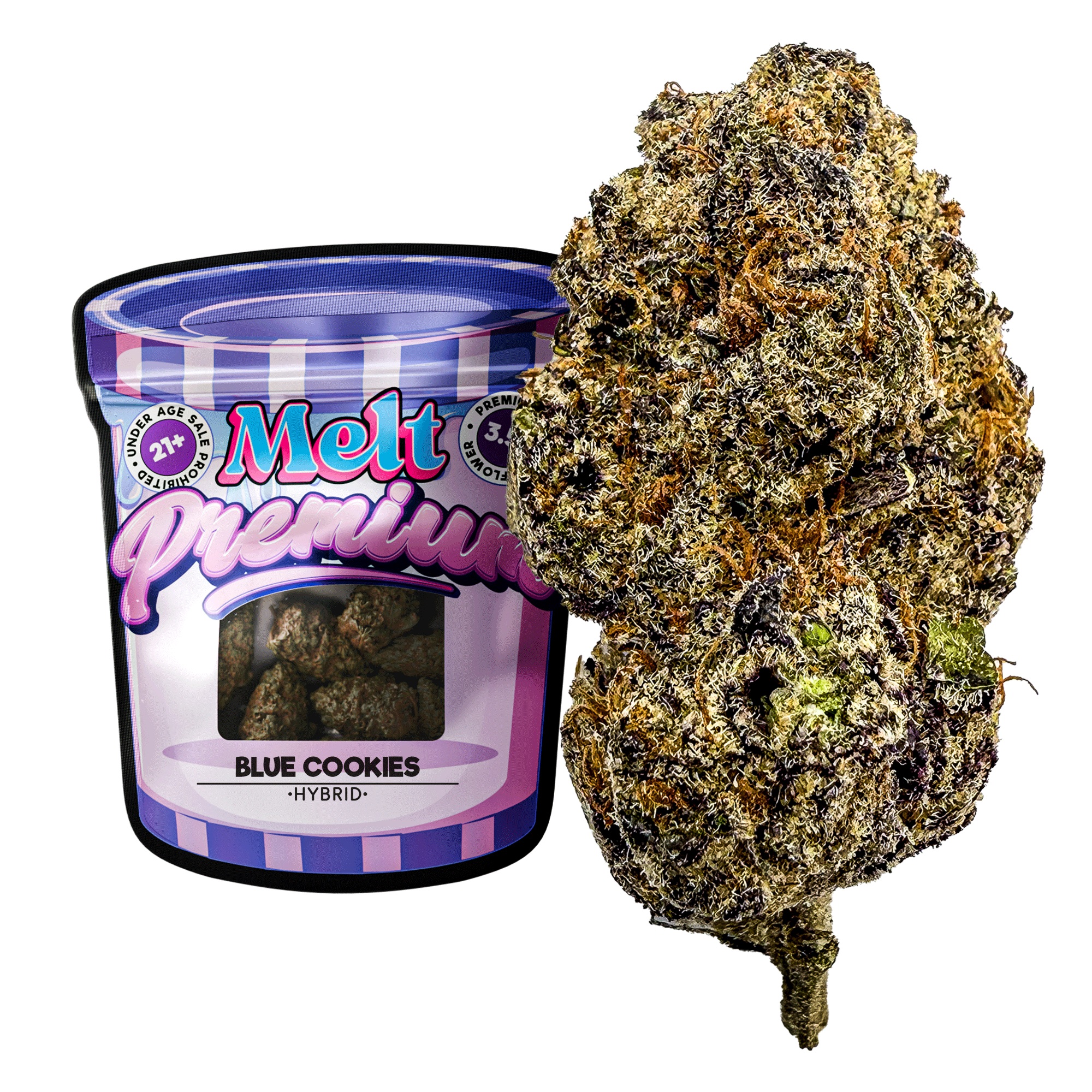
If you want premium flower to pair with a simple, efficient setup, Melt is worth a look. Their California-focused lineup includes potent THCA flower, prerolls, disposables, and edibles for adults who care about flavor, consistency, and clean presentation.
Your cart is currently empty.