



Free Shipping All Orders Over $95
THCA flower is currently legal in North Carolina if it meets the 0.3% Delta-9 THC by dry weight standard under the 2018 Farm Bill. That legal status is set to change in a major way on November 12, 2026, when federal law shifts to a total THC standard that will effectively ban most current THCA flower products.
If you're shopping for THCA flower in North Carolina right now, you're probably seeing two very different messages online. One says it's legal, easy to buy, and widely available. The other says a ban is coming, but doesn't explain what that really means for your next order, your favorite strain, or whether today's product will still exist tomorrow.
That gap is where most of the confusion lives. The current answer is fairly straightforward. The future answer is where people get blindsided.
For adult consumers, especially anyone who values premium flower and clean compliance, the primary concern isn't just whether THCA flower is legal today. It's whether you understand why it's legal now, why that logic stops working in late 2026, and how to buy carefully before the rules change.
North Carolina sits in a strange spot. On the shelf, THCA flower can look, smell, and feel like traditional cannabis. On paper, it's treated as hemp if it fits the current legal definition. That disconnect is why so many buyers feel like they're missing part of the story.
The short version is this. THCA flower North Carolina shoppers see today exists because the law currently looks at Delta-9 THC in a very specific way. It does not currently use a statewide total THC testing standard, and that has created a market where high-THCA flower can still qualify as hemp under the current framework.
Many guides stop there. That's the easy answer. The harder and more important answer is that the legal path supporting today's market has an expiration date. A North Carolina THCA flower guide focused on the November 2026 federal shift highlights the most overlooked issue: after November 12, 2026, THCA flower moves into a federal legal black hole because the hemp definition changes to account for total THC.
Practical rule: If a guide only tells you THCA is legal now, it's incomplete. The better question is whether the same product will still be legal to sell, ship, or possess under the coming federal standard.
That matters because shoppers don't buy laws. They buy jars, pre-rolls, and ounces. Retailers don't stock legal theories. They stock batches that either pass or fail compliance.
If you're still sorting out cannabinoids in general, this overview of different types of THC helps clarify why products with similar names can fall into very different legal categories.
A few things blur together fast:
If you're a North Carolina consumer, you need two timelines in your head at once. One is today's rulebook. The other is the rulebook that arrives in late 2026. Smart buying means understanding both.
THCA flower is hemp flower that contains THCA, short for tetrahydrocannabinolic acid. Think of THCA as THC before heat finishes the job. In the raw plant, THCA is the starting form. Once heat is applied, it changes into Delta-9 THC.
A simple analogy helps. Raw cookie dough and a baked cookie come from the same ingredients, but they aren't the same thing yet. THCA is the raw version. Heat is the oven. Delta-9 THC is the finished result.

This is the point that trips people up most often. Raw THCA is described as non-psychoactive, but smoking or vaping the flower changes that. The legal source material for North Carolina explains that smoking or vaping converts THCA into Delta-9 THC through decarboxylation, which is why the effects match traditional cannabis when consumed that way.
So when someone says, "THCA doesn't get you high," they're only telling half the story. Raw THCA in the plant is one thing. THCA after heat is another.
THCA flower is legal hemp by current testing rules, but the user experience after smoking or vaping can be the same experience people associate with cannabis.
"Decarboxylation" sounds technical, but the basic idea is simple. Heat changes the molecule.
That happens when you:
Once that heat is applied, the chemistry shifts and the effects shift with it.
A quick comparison makes this easier to hold in your head:
| Compound | In raw form | What most people use it for | How people usually think about it |
|---|---|---|---|
| CBD | Non-intoxicating | General hemp wellness use | Calm, non-high cannabinoid |
| THCA | Non-psychoactive in raw form | Flower that converts with heat | Raw precursor to THC |
| Delta-9 THC | Psychoactive | Traditional cannabis experience | The classic intoxicating cannabinoid |
This is why THCA flower can confuse first-time buyers. It may be sold as compliant hemp, but once used the way flower is commonly used, the effect profile can feel familiar to anyone who has used cannabis before.
If you only read a product label and ignore how the product is consumed, you'll misunderstand what you're purchasing. THCA flower isn't best understood as "CBD flower with a stronger name." It's better understood as flower that sits at the intersection of hemp compliance and cannabis-like effects.
That distinction is the whole category.
Under current law, THCA flower is fully legal in North Carolina under the 2018 Farm Bill if the hemp contains less than 0.3% Delta-9 THC by dry weight, and that status is set to expire on November 12, 2026, when federal Public Law 119-37 redefines hemp to include total THC and imposes a 0.4 mg total THC limit per container that will effectively ban most current THCA products, according to this detailed review of THCA legality in North Carolina.

That's the headline. The useful part is understanding how both halves can be true.
Current hemp law looks at Delta-9 THC by dry weight. That's the lane THCA flower uses. If a flower product tests under the legal Delta-9 threshold before use, it can qualify as hemp even if it contains substantial THCA.
North Carolina currently follows the federal hemp framework and does not use a statewide total THC testing standard for this category. Under current North Carolina law, SB 455 does not list THCA as a controlled substance, and as of early 2026 there is no statewide age restriction for buying hemp products, though the same legal update notes that a federal 21+ requirement arrives when the updated Senate Bill 328 takes effect on October 1, 2025.
That explains why compliant THCA flower can be sold openly now.
The current market exists because the law looks at one slice of the chemistry. The coming federal change looks at the bigger picture.
After November 12, 2026, the federal definition changes to total THC, including THCA. In practical terms, many products that fit today's rule won't fit tomorrow's rule. For shoppers, that means the flower you've gotten used to seeing as standard inventory may no longer be able to move through ordinary retail and shipping channels in the same way.
The important question isn't whether a jar is legal under today's label. It's whether the same jar survives the next federal definition.
Here is the simplest way to put it:
| Timeframe | Main legal test | What it means for typical THCA flower |
|---|---|---|
| Current market | Delta-9 THC by dry weight | Many THCA flower products can qualify as hemp |
| After November 12, 2026 | Total THC, including THCA | Most current THCA flower products likely won't fit the hemp definition |
That shift creates a messy transition. North Carolina may still have state-level room on paper while federal law changes the compliance math. That can create an enforcement paradox where consumers see products discussed locally even as the federal definition cuts off the legal structure that supported the category.
If you want a deeper primer on the broader compliance question, this guide on whether THCA is illegal is a useful companion read.
If you're buying THCA flower in North Carolina today, current legality depends on present compliance. If you're planning purchases, business inventory, or long-term access, the late-2026 federal shift matters more than almost anything else in this category.
If you buy THCA flower without reading the lab report, you're trusting marketing over evidence. That's never the right move with hemp products.
The document you want is the Certificate of Analysis, usually called a COA. A reputable seller should make it easy to find before you check out.

Start with the cannabinoid panel. You're looking for the line that lists Delta-9 THC. Under the current legal framework, that is the number that needs to stay within the legal limit described earlier.
Then look for THCA. That won't tell you whether the product is compliant by itself, but it will tell you what kind of flower you're dealing with. A product marketed as THCA flower should have a cannabinoid profile that matches that label.
A good COA also helps answer another question buyers often forget to ask: was the flower screened for basic safety?
Check for testing categories such as:
Buyer habit: Don't just ask whether a brand has lab tests. Open the COA and make sure the report appears tied to the exact product or batch in your hands.
A lot of weak sellers hide behind vague phrases like "lab tested." Strong sellers show the actual document.
Use this each time:
If you want a more detailed walk-through, this guide on how to read a certificate of analysis breaks down the format in a buyer-friendly way.
A visual explainer can also help if you've never read one before:
Walk away if you see any of these:
If a brand makes you work to verify basic legality and safety, that's the wrong brand.
Where you buy matters almost as much as what you buy. With THCA flower, the safest purchase usually comes from a professional online retailer that treats compliance as part of the product, not as an afterthought.
That doesn't mean every website is good. It means the best operators leave a clear trail. They show testing, explain shipping, verify age, and answer questions without dodging them.

A strong vendor tends to make the buying process feel boring in the best way. You can verify what you're ordering. You can understand how it ships. You can see whether the company is acting like a real business.
Look for these signals:
The riskiest THCA purchases often come from places where accountability is weak. That can include social media sellers, informal local deals, and smoke shops that stock products without meaningful documentation.
The problem isn't only quality. It's traceability. If a product shows up with no clear batch report, no credible business identity, and no useful customer support, you've already lost the ability to verify what you bought.
Buying flower from an unvetted seller is a lot like buying medication from a jar with no label. Even if the product looks fine, you can't prove what it is.
Before you place an order, check three things on the site:
| Checkpoint | Why it matters | What you want to see |
|---|---|---|
| Shipping policy | Laws can vary by destination | Clear explanation of shipping restrictions |
| Packaging approach | Privacy and professionalism matter | Discreet, standard fulfillment language |
| Order support | Problems happen | Real contact options and order help |
If a seller can't explain how it handles legal changes, that matters even more with the federal shift coming in late 2026. Buyers should expect more scrutiny, not less, as that date gets closer.
Use this checklist before you buy any THCA flower in North Carolina. It keeps the process simple and helps you avoid the most common mistakes.
A good purchase should feel verifiable from start to finish. If it doesn't, keep browsing.
No. Senate Bill 328, passed on June 26, 2024, does not ban THCA flower in North Carolina. It regulates hemp-derived products, including THCA flower, to individuals 21 and over, while affirming legality as long as the products comply with federal rules requiring 0.3% Delta-9 THC or less, as explained in this North Carolina discussion of S328 and THCA flower.
It can. Drug tests generally look for THC metabolites, not for the label language used at checkout. If you smoke or vape THCA flower, you should assume there is a real risk of testing positive.
For many buyers, the biggest difference is legal classification under the current hemp framework. The source material cited earlier explains why compliant THCA flower is treated as hemp before use, even though smoking or vaping converts THCA into Delta-9 THC and produces effects associated with traditional cannabis.
Yes. Buy carefully, verify every lab report, and don't assume the current market will look the same after the federal shift in late 2026. If you rely on THCA flower now, it's smart to stay informed instead of waiting until products start disappearing or policies tighten.
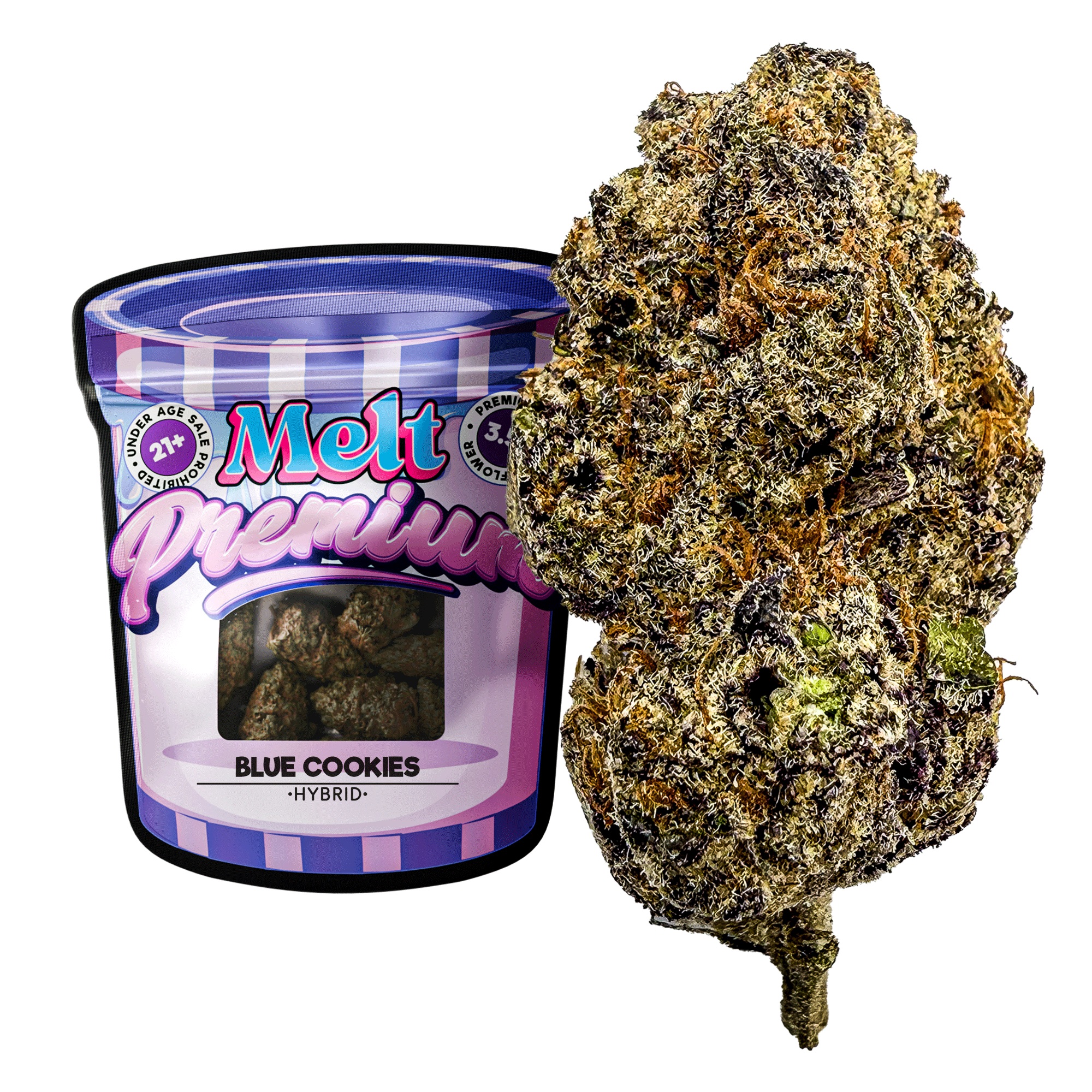
If you want premium hemp-derived products from a brand that emphasizes third-party testing, transparent labs, and discreet shipping, browse Melt. Their lineup includes THCA flower, prerolls, disposables, and edibles built for adult consumers who care about potency, flavor, and clean compliance.
Your cart is currently empty.