



Free Shipping All Orders Over $95
You buy beautiful flower, crack open the jar, and it smells like the room just got upgraded. The buds are sticky, loud, and obviously grown with care. Then you turn that flower into brownies, take a generous dose, wait, and feel almost nothing.
That mistake frustrates a lot of home growers and home cooks. They assume the flower was weak, the recipe was off, or the infusion failed. Most of the time, the problem itself is much simpler. The cannabis never got properly activated.
That activation step is decarboxylation. If you're working with THCA flower, raw material doesn't automatically behave like ready-to-use THC in edibles or oils. Decarboxylation temperature is the control knob that decides whether you achieve potency gently, or cook away the compounds you wanted to keep. Get it right, and your flower performs the way it should. Get it wrong, and even premium material can feel wasted.
A home grower spends months dialing in a plant. Drying goes well. Cure goes well. The flower looks excellent. Then it gets broken up, stirred into butter, and baked straight into cookies. The result is weak, uneven, and disappointing.
That doesn't mean the flower was bad. It usually means the cannabinoids were still in their acidic form when they went into the recipe.
Fresh or cured cannabis often contains THCA, not fully active THC. THCA and THC are closely related, but they don't behave the same way in the body when you're making edibles. Heat changes that.
If the flower never reaches an effective decarboxylation temperature for long enough, a lot of the potential stays locked up. That's why someone can smoke the same flower and feel strong effects, but get very little from an edible made with that raw material. Smoking supplies immediate heat. A casual infusion step often doesn't.
Raw cannabis can be top shelf and still underperform in edibles if you skip activation.
Many individuals are told a single oven rule and proceed. They hear one number, one time, one method. That sounds easy, but cannabis isn't that simple. Different cannabinoids respond differently to heat. Different material forms do too.
The confusion gets worse because home ovens drift. One oven runs cool, another runs hot, and a third swings all over the place. So even if the recipe sounds right, the actual material may never see the temperature you thought it did.
Here's the practical truth:
Once you understand that, decarboxylation stops feeling mysterious. It's just controlled heat applied with a purpose.
Think of THCA as a locked version of THC. The useful part is there, but the molecule still carries an extra piece that keeps it from acting the same way. Heat removes that piece and turns THCA into THC.
That process is decarboxylation. It sounds technical, but the idea is simple. You apply controlled heat, the molecule changes, and your cannabis becomes much more effective for infused oils, butter, tinctures, and edibles.

When you heat cannabis, you're not “adding” potency. You're converting one form into another. The “A” in THCA refers to the acidic form. During decarboxylation, heat removes that carboxyl group and the material releases carbon dioxide and water vapor. What remains is the activated cannabinoid.
If you want a cleaner explanation of how those two compounds differ, this breakdown on the difference between THC and THCA is a useful companion.
The reaction needs enough heat to happen efficiently, but not so much that you start damaging the result. According to this decarboxylation review from Ripper Seeds, THCA decarboxylation reaches maximum efficiency between 105°C and 120°C (221°F to 248°F), with 110°C yielding approximately 70% conversion to THC after 30 minutes, and temperatures above 140°C (284°F) accelerating the reaction while initiating significant degradation of THC into CBN.
That last part matters. CBN isn't “bad,” but if your goal is a bright, potent edible experience, overheating can push your flower away from that outcome.
Practical rule: Use enough heat to activate cannabinoids, but not enough to roast the life out of them.
The science becomes practical the second you stop smoking and start cooking. A pan of brownies doesn't guarantee full activation. A quick warm-up in oil doesn't guarantee it either. Activation has to happen deliberately.
Three things usually decide success:
If one of those is missing, your batch can come out uneven. One serving may feel strong. Another may feel flat. That's why lab-minded home growers obsess over repeatability. Good decarboxylation isn't just about potency. It's about predictable potency.
You dry a beautiful harvest, grind some into butter, bake with it, and the final edible still feels weaker than expected. A lot of the time, the problem is not the flower. The problem is treating every batch like it wants the same heat.
Decarboxylation works more like toasting different ingredients than baking a frozen pizza. Bread crumbs, nuts, and sesame seeds all brown at different speeds. Cannabis behaves the same way. THCA-rich flower, CBDA-rich flower, and loose kief do not respond identically, even if they all came from the same jar session on your counter.
THCA and CBDA both need heat, but they do not behave exactly alike. As noted earlier, THCA usually reaches a useful conversion range at lower temperatures than CBDA. That means a THC-focused flower can respond well to a gentler oven setting, while CBD-rich material often benefits from a slightly hotter or longer run.
That difference trips up home growers all the time. They copy a single oven recipe from a forum, then wonder why one cultivar feels great and another feels flat.
A practical way to approach it is simple:
If your goal is a flavorful edible rather than the highest possible conversion at any cost, it often makes sense to start lower and extend time slightly.
Now add the second variable: physical form.
Whole buds heat slowly because the inside warms after the outside. Broken flower heats more evenly. Kief and sifted material react faster because there is far more exposed surface area. Hash can behave somewhere in between depending on density and moisture.
That is why "240°F for 40 minutes" is not a universal law. It is a useful baseline for many flower batches. It is not automatically the best choice for every jar on your shelf.
If you plan to cook with your activated cannabis right after decarb, this guide to infusing cannabis into coconut oil works best when you match the infusion method to the material you just prepared.
| Material | Temperature | Time | Notes |
|---|---|---|---|
| THCA-dominant flower | 220°F to 230°F | 30 to 45 minutes | Good starting range when you want solid activation with a gentler touch |
| Standard broken flower for THC-focused edibles | 235°F to 245°F | 35 to 50 minutes | Common home range for dependable activation without pushing heat too high |
| Lower-temp flower decarb | 220°F | 60 to 90 minutes | Useful if aroma retention matters more and you can be patient |
| CBDA-rich flower | 240°F to 250°F | 45 to 60 minutes | CBD-acid material often needs more heat exposure than THCA-rich flower |
| Kief or dry sift | 220°F to 230°F | 20 to 30 minutes | Fast-reacting material. Watch closely to avoid overdoing it |
| Hash or pressed resin | 230°F to 240°F | 25 to 40 minutes | Dense material may need a little more time than kief, but usually less than loose flower |
| Trim | 230°F to 240°F | 30 to 45 minutes | Works well for infusions, though results depend on resin content and particle size |
Use that table as a starting map, not a rigid command.
If you are staring at a tray and wondering which row applies, use this quick logic.
One more practical tip helps prevent mistakes. If the material looks finer, drier, and more resin-exposed than normal flower, shorten the clock before you lower the temperature. Fast-reacting material often fails because it stayed in too long, not because the oven was only slightly too warm.
The craft approach is matching heat to both chemistry and texture. That is how you get beyond generic oven recipes and start producing repeatable, terpene-conscious batches that reflect the quality of the cannabis you grew.
The tool matters almost as much as the temperature. You can know the correct target and still miss it if your setup heats unevenly.

The oven is still the default because almost everyone has one. It's accessible, handles larger batches, and works fine when you monitor it well.
The problem is stability. Home ovens often overshoot, cycle, and run unevenly from front to back. That creates hot spots. If one corner of the tray gets too much heat, part of the batch can darken while another part stays pale.
Best use case: people making standard flower batches who are willing to use an oven thermometer, shallow tray, and careful timing.
Sous vide gives you precision. Water holds temperature far more steadily than most kitchen ovens, so you can maintain a controlled environment with fewer swings.
That precision helps with aroma retention and consistency. It also contains odor better when the material is sealed properly. The tradeoff is speed and setup complexity. You need the right gear, and the workflow takes longer.
A visual walkthrough helps if you're curious about how home decarb setups compare in practice.
Purpose-built units simplify the process. They aim for steady heat, reduced odor, and easier repeatability. For people who decarb often, that convenience can be worth the cost.
The limitation is usually batch size and upfront investment. You also still need judgment. A machine helps with consistency, but it doesn't erase the need to choose the right settings for flower versus kief or THCA-rich versus CBD-rich material.
| Method | Strengths | Weak points | Best fit |
|---|---|---|---|
| Oven | Easy access, larger batch handling | Temperature swings, stronger smell | Casual home cooks and larger flower batches |
| Sous vide | Strong temperature control, better odor containment | More equipment, slower process | Terpene-focused users and careful experimenters |
| Dedicated decarboxylator | Simple workflow, repeatable results | Smaller capacity, higher cost | Frequent infusers who want convenience |
According to this discussion of material-specific decarb behavior, kief, hash, and trim decarboxylate significantly faster at lower temperatures of 220°F to 230°F than whole flower due to higher surface area and reduced mass. That matters across all three methods. A dedicated machine won't save a fragile material if you treat it like dense flower.
A precise method doesn't fix a bad assumption. Match the method to the material first.
Strong edibles are easy to chase. Flavor, aroma, and clean effects take more care. If you push heat too hard, the batch may still work, but it won't express the flower the same way.
Terpenes are volatile. That means they can leave the plant material more easily than you want during heating. A gentler decarb usually gives you a better shot at keeping the flower expressive, especially if you use a covered vessel.
A lot of home growers like a small mason jar in the oven for this reason. It won't create a lab-grade sealed system, but it can help contain aroma and reduce direct exposure to moving hot air.
For a deeper understanding of why aroma matters so much, this guide to what terpenes are in weed is worth reading.

CBDa can convert fully under more than one condition, but faster isn't cleaner. According to the decarboxylation study summary discussed here, CBDa reaches total conversion at 110°C (230°F) after 45 minutes and at 130°C (266°F) after 20 minutes, but those processes incur losses of 18.05% and 25.2% in total molar concentration due to thermal degradation.
That tells you something useful even if you don't work with CBD-heavy flower often. Heat can complete the reaction and still reduce what you keep. Activation and preservation aren't the same goal.
Store the finished material in an airtight container away from heat and bright light. Good decarb work can be undone by lazy storage.
You pull a jar from the oven, crack the lid after it cools, and wonder if you nailed it or just cooked off the good stuff. That moment is where home decarb often feels uncertain.

A home grower usually does not have chromatography equipment, so verification starts with careful observation. Your eyes, nose, and notes can tell you whether the process was even and gentle. They cannot give you exact potency, but they can catch the common mistakes: underdone flower, overheated edges, and uneven conversion from one part of the batch to another.
Properly decarbed flower usually shifts from bright green to a muted tan or light golden brown. It also feels drier and a little more fragile. If you rub a small piece between your fingers, it should break apart more easily than raw flower.
The smell changes too. Fresh-cut, grassy notes fade, and warmer herbal notes come forward. A light toasted aroma is normal. A harsh roasted smell, black specks, or dark brown patches usually means some areas got too hot.
Kief and loose sift can look different from flower. Because the particles are smaller, the color change may be subtler and the material can dry out faster. That is why uniformity matters more than chasing one exact shade.
Use a small sample from the center and another from the edge of the tray or jar.
That last point trips up a lot of people. A batch can be partly decarbed and still smell promising. Even color and texture are what tell you the whole batch got similar treatment.
Underdone material often keeps a greener color and a fresher, more plant-like smell. It may also feel springy instead of dry. If you are working with dense flower, the outside can look ready while the center still lags behind.
Overdone material heads in the opposite direction. It gets darker, smells flat or burnt, and loses that pleasant resinous character. The goal is activation with restraint, especially if you care about preserving the character of a terpene-rich batch instead of just applying heat until everything looks brown.
Home verification is about process quality. It helps you judge whether your decarb was likely even, gentle, and appropriate for the material you used.
Exact cannabinoid content is a lab question. Certificates of Analysis exist for a reason. They measure conversion and degradation directly, while a kitchen process relies on observation and repeatable habits.
So treat each run like a small craft experiment. Note the starting material, whether it was THCA-rich flower, CBD-rich flower, or kief, how fine you broke it up, what container you used, and how it looked and smelled after cooling. Those notes turn guesswork into a repeatable method.
Decarboxylation is simple, but it still involves heat, odor, and a legal reality people sometimes ignore. Responsible prep matters.
Use oven-safe containers only. Don't improvise with random plastics or lids that aren't built for heat. If you're using a mason jar, handle it gently and avoid sudden temperature shocks.
Ventilation matters too. Decarbing cannabis smells strong, and the odor can linger. Open windows, run a vent fan if you have one, and keep your setup away from anything flammable. Stay in the house while the process runs. This isn't a “set it and forget it” project.
THCA products are often sold under hemp rules when they meet the applicable legal definition before use. But decarboxylation changes THCA into Delta-9 THC. That conversion isn't just a chemistry detail. It can change how the material is treated under state or local law.
Laws vary a lot by jurisdiction. Some places focus on product form, some focus on cannabinoid content, and some restrict possession or use much more aggressively than buyers expect. Check your local and state rules before you decarb, infuse, travel with, or store activated cannabis.
Follow a few baseline habits:
Good cannabis practice isn't just about maximizing potency. It's about avoiding preventable mistakes.
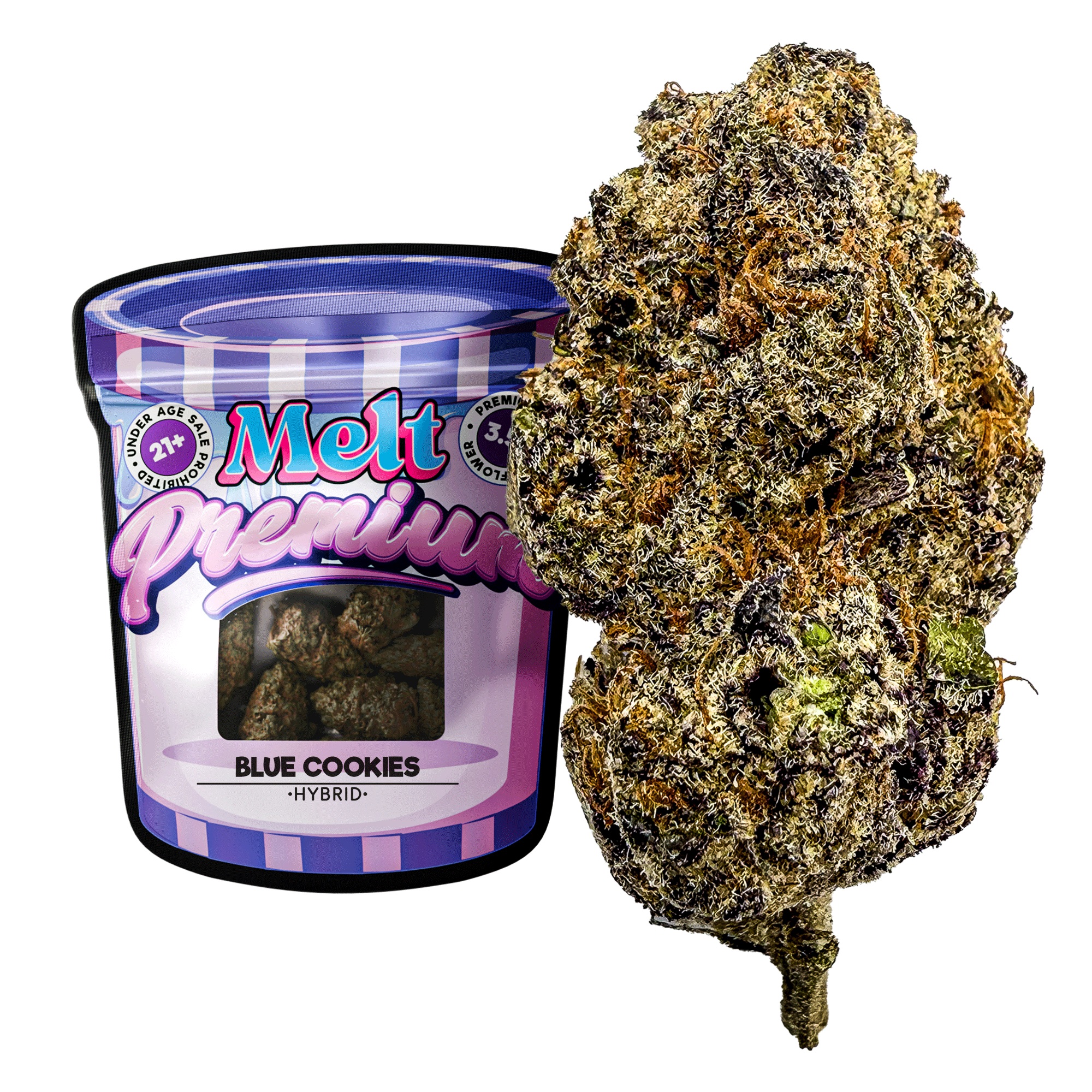
If you want premium flower and cannabinoid products that start with strong genetics, clean formulation, and transparent testing, browse Melt. Their lineup focuses on California-crafted flavor, strain-specific terpene character, and lab-backed consistency, which gives you a much better starting point whether you're enjoying flower as-is or learning how to work with cannabis more intentionally at home.
Your cart is currently empty.