



Free Shipping All Orders Over $95
You've successfully crafted a batch of potent, golden cannabutter, but now comes the most exciting part: deciding what to make with it. While classic brownies are a fantastic starting point, your infused butter is a key that can unlock a world of culinary creations, from gourmet dinners to wellness-focused snacks. The art of cooking with cannabis has evolved far beyond simple sweets, embracing sophisticated flavors, precise dosing, and seamless integration into daily meals.
This guide is designed to be your comprehensive resource for what to make with cannabutter, moving past the obvious and into more innovative territory. We will explore 8 diverse and actionable ways to use your cannabutter, transforming it from a simple ingredient into a versatile culinary staple. You will discover how to incorporate it into everything from savory pasta dishes and infused coffee to homemade gummies and salad dressings.
Before we dive into the recipes, a quick reminder on fundamentals is essential for a safe and effective experience.
With those essential safety and preparation tips covered, let's explore the delicious possibilities waiting in your kitchen.
The quintessential entry point for anyone wondering what to make with cannabutter is undoubtedly a batch of classic baked goods. From fudgy brownies to chewy chocolate chip cookies, these desserts are popular for good reason. They leverage the fat-soluble nature of cannabinoids, allowing the cannabutter to blend seamlessly into the recipe for even distribution and consistent dosing. The baking process also masks the sometimes-strong herbal flavor of cannabis, making for a delicious and potent treat.
This method has become a cultural cornerstone, popularized by mainstream cannabis culture in California and even featured in high-end culinary publications. You can find examples everywhere, from home bakers perfecting their recipes to artisan bakeries in Los Angeles that incorporate precisely dosed, THCA-infused butter into their signature desserts.
The magic of infused baked goods begins long before you preheat the oven. Proper preparation is critical for both potency and safety.
To ensure a safe and enjoyable experience, always follow these essential tips.
Crucial Tip: Always label your infused creations clearly. Mark the container with the total cannabinoid content, the dose per serving, and a prominent warning that the contents are for adult consumption only. Store them in an airtight container away from light, heat, and the reach of children or pets.
Moving beyond the sweet, what to make with cannabutter expands into the sophisticated world of savory cuisine. Infusing main courses, side dishes, and gourmet sauces offers a unique way to integrate cannabinoids into an elevated dining experience. The fat in cannabutter acts as a perfect vehicle for flavor, blending seamlessly with herbs, spices, and umami-rich ingredients to create complex and satisfying dishes.
This approach has been championed by high-end cannabis supper clubs in Los Angeles and featured in the work of celebrity chefs, transforming the perception of edibles from simple sweets to culinary art. Whether you're making a garlic herb butter for steak, a creamy Alfredo sauce, or a glaze for roasted vegetables, cannabutter provides a potent and flavorful foundation.
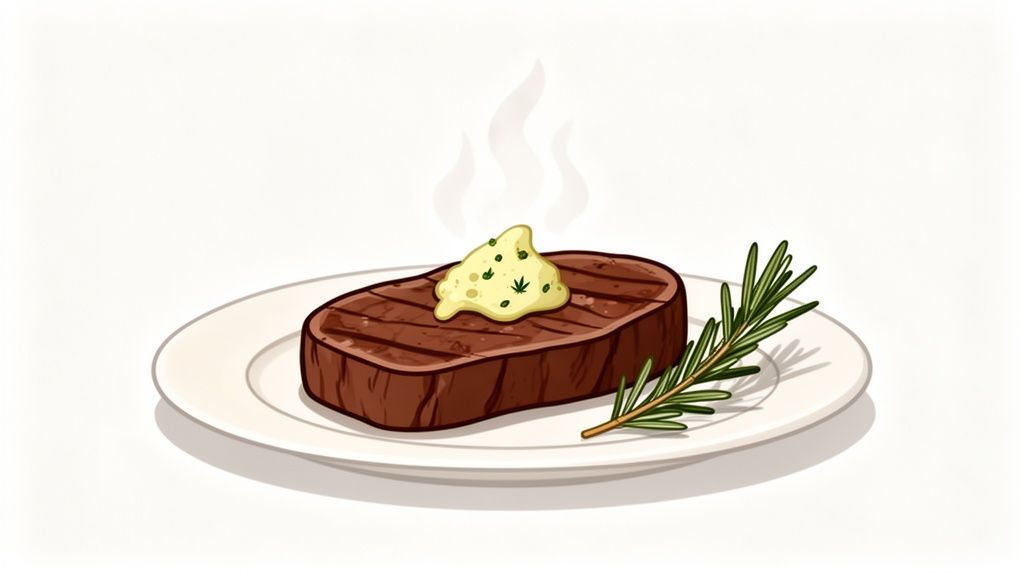
The secret to exceptional savory infusions lies in preserving the delicate compounds in your cannabutter while enhancing their natural flavors. High heat can degrade both cannabinoids and terpenes, so careful temperature management is essential.
To guarantee a delicious and properly dosed meal, adhere to these fundamental guidelines.
Crucial Tip: For precise dosing in savory recipes, pre-portion your cannabutter. Freezing your cannabutter in an ice cube tray with small, uniform sections (e.g., ½ teaspoon per cube) allows you to easily add a specific, pre-measured dose to any dish without guesswork. Always remember to label the final dish clearly.
For those looking to seamlessly integrate cannabis into their morning ritual, learning what to make with cannabutter can be as simple as upgrading your daily cup of coffee or tea. Infusing hot beverages offers a sophisticated and convenient consumption method, combining the comforting ritual of a warm drink with the therapeutic effects of cannabinoids. The heat from the beverage helps emulsify the cannabutter, ensuring it mixes in smoothly for a consistent and enjoyable experience.
This method has gained significant traction within biohacking and wellness communities, popularized by trends like bulletproof coffee and the rise of adaptogenic drinks. California wellness brands have embraced this concept, creating products that merge cannabis with other beneficial ingredients. You can find examples ranging from cannabutter-infused golden milk lattes to ceremonial matcha preparations that offer a balanced, mindful start to the day.
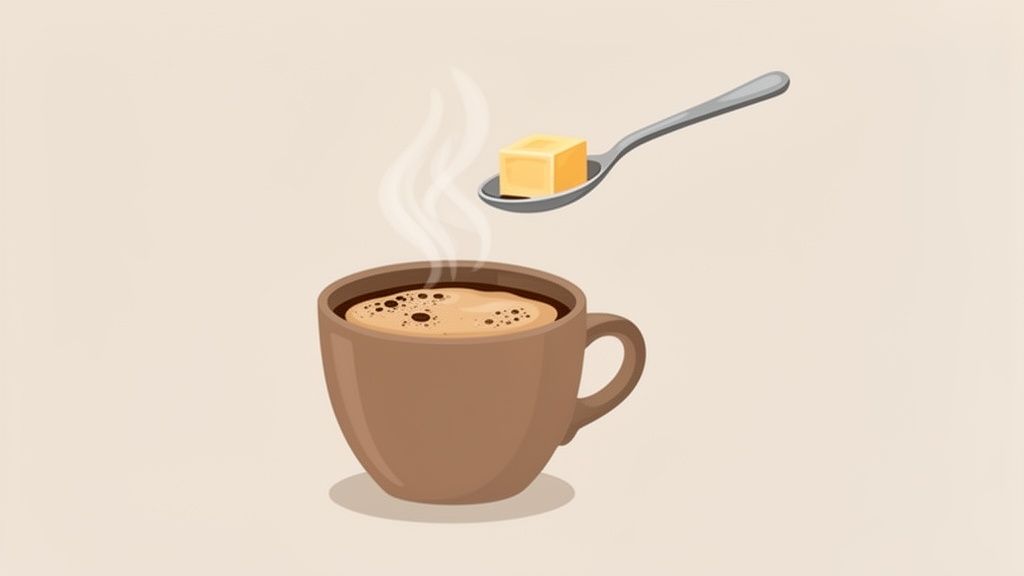
The secret to a great infused beverage lies in achieving a smooth, well-blended texture without an oily residue. Proper preparation ensures the fat from the cannabutter incorporates fully into the liquid.
To create a delicious and effective infused drink, keep these simple guidelines in mind.
Crucial Tip: Add your cannabutter after the primary brewing process is complete. Exposing it to boiling temperatures for extended periods can degrade sensitive terpenes and cannabinoids. Stir it into your brewed coffee or steeped tea just before blending for optimal potency and flavor.
For those wondering what to make with cannabutter that aligns with a more active or health-conscious lifestyle, infused energy bars and protein bites are a perfect solution. These no-bake treats combine nutrient-dense ingredients like oats, nuts, seeds, and dried fruit with the benefits of cannabinoids. The cannabutter acts as a binding agent, seamlessly integrating into the mix for a portable, functional, and delicious edible.
This approach has gained significant traction within fitness and wellness communities, particularly among consumers in California who integrate cannabis into their recovery and lifestyle routines. You’ll find examples ranging from homemade paleo-friendly bars to products from cannabis brands specifically targeting active consumers who want a convenient, dose-controlled option on the go.
The magic of a great energy bar is its texture, and when infusing with cannabutter, getting the right balance is crucial for a product that holds together without being greasy.
To create safe, effective, and enjoyable energy bars, follow these key guidelines.
Crucial Tip: Portioning is everything with these snacks. Once chilled, cut the bars into uniform sizes, such as 1-2 ounce portions, and calculate the dose per piece (e.g., 5-10mg of THC). To prevent sticking, store them in an airtight container in the refrigerator, separated by layers of parchment paper. Always label the container with the dosage and a clear warning.
Moving beyond sweets, another sophisticated answer to what to make with cannabutter is incorporating it into gourmet pasta and noodle dishes. This culinary application elevates infused cooking from a novelty to an art form. Sauces for dishes like fettuccine Alfredo, brown butter sage ravioli, or sesame-garlic ramen rely on fat to carry their rich flavors, making cannabutter a perfect, seamless addition for an infused main course.
This trend has been championed by high-end cannabis supper clubs and influential chefs, including James Beard Award winners, who treat cannabutter as a gourmet ingredient. The approach appeals to experienced consumers who appreciate the nuanced interplay between fine food and cannabis, transforming a simple dinner into a memorable, full-body experience.
The secret to a perfect infused pasta dish lies in how you incorporate the cannabutter and the ingredients you pair it with. The goal is a silky, cohesive sauce, not an oily plate.
To create a restaurant-quality infused pasta dish, focus on technique and timing.
Crucial Tip: Timing is everything. An infused pasta dish is best served immediately. Letting it sit can cause the cannabutter to separate, resulting in an oily texture and inconsistent dosing. Prepare all other components of your meal first so you can plate and serve the pasta as soon as it's ready.
For those looking to elevate their culinary creations, another sophisticated answer to what to make with cannabutter is compound butter. This technique involves blending cannabutter with regular butter, fresh herbs, spices, and other aromatics to create a flavorful, finishing touch for grilled steaks, roasted poultry, and seafood. It positions cannabis as a gourmet ingredient, maximizing both cannabinoid potency and the complex terpene flavors that complement savory dishes.
This elegant application method has gained traction among Michelin-starred chefs experimenting with cannabis cuisine and upscale steakhouses in places like California. Instead of hiding the cannabis, this approach celebrates its flavor profile, using it to enhance the final dish just before serving. Think of a perfectly seared ribeye topped with a melting disc of rosemary-garlic cannabutter or grilled fish finished with a black garlic and miso-infused butter.
The art of infused compound butter lies in balancing potent cannabinoids with complementary flavors without overwhelming the main dish. Proper preparation ensures a visually stunning and perfectly dosed result.
To achieve a restaurant-quality finish and ensure a safe, enjoyable experience, follow these essential tips.
Crucial Tip: For precise dosing and beautiful presentation, slice the chilled butter log into ¼-inch discs. Each disc provides a consistent, manageable portion. Add the butter to proteins right after they come off the heat, allowing it to melt beautifully over the dish just before serving. Logs can be frozen for up to three months when wrapped tightly and stored in an airtight container.
For the cannabis enthusiast who loves a good DIY project, learning what to make with cannabutter can lead to creating your own gummies and hard candies. This method offers unparalleled control over potency, flavor, and ingredients, serving as a homemade alternative to commercially produced edibles. By using cannabutter in a gelatin or pectin-based recipe, you can craft everything from classic gummy bears to tangy sour strips, all dosed to your exact preference.

This DIY approach has been popularized by online cannabis communities and home-cooking bloggers, especially in places like California where cannabis culture thrives. It allows for creative expression, with home chefs making vegan gummies using agar, hard candies with infused sugar syrups, or even specialty treats with added CBD or melatonin. For those who enjoy a zesty kick, a citric acid coating can be added to make sour gummies. To dive deeper into this popular variation, you can explore the tangy world of homemade sour THC gummies.
The main challenge in making infused candies is successfully blending the cannabutter (a fat) with the water-based ingredients of the gummy mixture. Proper emulsification is crucial for a stable, homogenous final product.
Follow these tips to ensure your homemade cannabis candies are safe, effective, and delicious.
Crucial Tip: Allow your gummies to cure properly after removing them from the molds. Let them air-dry on a wire rack in a cool, dark place for 24-48 hours. This process helps them firm up and improves their texture and shelf life. Store the finished candies in an airtight container, away from heat and light.
For those exploring what to make with cannabutter beyond the usual sweets, infused salad dressings and condiments offer a refreshing and sophisticated option. This method elevates everyday meals by turning simple vinaigrettes, aiolis, and spreads into a vehicle for cannabinoids. It’s a fantastic way to microdose or enjoy a lighter, more savory edible experience, appealing to health-conscious consumers who want to integrate cannabis into a wellness-focused lifestyle.
This approach aligns perfectly with the farm-to-table culinary movements seen in places like California, where fresh ingredients are paramount. By infusing a balsamic vinaigrette or a creamy avocado aioli, you can add a new dimension to salads, grain bowls, or sandwiches without overpowering the natural flavors of your food.
The secret to a great infused dressing is creating a stable emulsion that ensures the cannabutter is evenly distributed. Proper flavor pairing is also essential to complement, not clash with, the herbal notes of the cannabis.
To ensure your homemade dressings are both delicious and effective, follow these simple guidelines for preparation and storage.
Crucial Tip: Always store your infused dressings in airtight glass jars in the refrigerator, away from direct sunlight. Natural separation will occur over time, so be sure to shake or re-blend the dressing thoroughly before each use to ensure consistent dosing. Label the jar clearly with the contents, dosage per serving, and a warning for adult use only.
| Application | Process Complexity 🔄 | Resource Requirements ⚡ | Expected Results / Impact 📊 | Ideal Use Cases 💡 | Key Advantages ⭐ |
|---|---|---|---|---|---|
| Cannabutter Brownies & Baked Goods | Low–Moderate 🔄 — simple 1:1 butter swap, standard baking | Low ⚡ — oven, basic kitchen tools | High 📊 — consistent dosing, long-lasting effects; slower onset | Batch baking, retail, familiar desserts | High bioavailability; easy portion control |
| Cannabutter Savory Cooking & Sauces | Moderate–High 🔄 — requires culinary skill and temp control | Moderate ⚡ — stovetop, quality ingredients, timing | High 📊 — sophisticated flavor integration; dosing harder to standardize | Dinner parties, gourmet dishes, premium menus | Discreet, flavor-forward, lower sugar |
| Cannabutter Infused Coffee & Hot Beverages | Low 🔄 — quick blending/frothing | Low–Moderate ⚡ — blender/frother, hot beverage setup | Moderate 📊 — faster onset (30–45 min), shorter duration; emulsification needed | Daily ritual, morning wellness, fast-acting microdoses | Faster onset; familiar routine; easy daily use |
| Cannabutter Energy Bars & Protein Bites | Moderate 🔄 — no-bake assembly or minimal baking; proportion control | Moderate ⚡ — quality nuts/seeds, protein powder, refrigeration | Moderate–High 📊 — portable, nutrient-dense, consistent portions if measured | Fitness, recovery, on-the-go wellness | Health-focused, portable, combines nutrition with cannabinoids |
| Cannabutter Gourmet Pasta & Noodle Dishes | High 🔄 — timing and technique critical to avoid degradation | Moderate ⚡ — fresh pasta tools, quality cheeses/produce | High 📊 — upscale sensory experience; dosing complex in multi-component dishes | Upscale dining, entertaining, culinary enthusiasts | Luxurious mouthfeel; pairs well with wine and premium ingredients |
| Cannabutter Compound Butter for Grilled & Roasted Meats | Low–Moderate 🔄 — molding/rolling and low-heat finishing | Low ⚡ — refrigeration, quality meats, molds/wraps | High 📊 — preserves terpenes, ideal microdosing, strong presentation | Finishing steaks/roasts, entertaining, sharable servings | Preserves flavor; precise microdosing; elegant presentation |
| Cannabutter Homemade Gummies & Candy | High 🔄 — candy-making techniques, emulsification challenges | Moderate–High ⚡ — candy thermometer, silicone molds, desiccants | Variable 📊 — fully customizable potency but higher risk of uneven dosing | DIY enthusiasts, customized doses, specialty gifts | Complete control over potency and ingredients; creative flexibility |
| Cannabutter Salad Dressings & Condiments | Low–Moderate 🔄 — emulsification required, short prep time | Low ⚡ — blender/immersion blender, fresh produce; short storage | Moderate 📊 — integrates into meals for microdosing; shorter shelf life | Daily meals, microdosing, health-conscious consumers | Integrates with nutrient-dense foods; supports microdosing lifestyle |
As we have explored, the answer to the question "what to make with cannabutter" is as boundless as your culinary creativity. Your kitchen transforms into an artisan's workshop where a single, potent ingredient can unlock a universe of flavors and experiences. We've moved far beyond the classic brownie, venturing into gourmet savory dishes, energizing snacks, and even sophisticated infused beverages that redefine what cannabis edibles can be.
From the rich, decadent notes of Cannabutter Brownies and Baked Goods to the complex, savory profiles of Gourmet Pasta Dishes, you have a roadmap to infuse every meal. The versatility of your cannabutter extends to morning rituals with Infused Coffee, healthy boosts with Protein Bites, and elegant dinner enhancements like Compound Butter for grilled meats. The possibilities are truly endless.
The path to exceptional edibles is paved with precision, quality, and a spirit of experimentation. Mastering this craft means paying close attention to the details that elevate a good edible to a great one. Keep these core principles at the forefront of your infusion adventures:
With this wealth of information, your journey is just beginning. To continue developing your skills and discovering what to make with cannabutter next, consider these practical steps:
The true value in mastering cannabutter lies in the empowerment it provides. You gain complete control over ingredients, potency, and flavor, creating personalized cannabis experiences tailored precisely to your lifestyle and preferences. This journey is about more than just making edibles; it's about mindful consumption, culinary exploration, and unlocking a new dimension of enjoyment from cannabis. Embrace the process, celebrate your creations, and continue to explore the delicious and potent possibilities that await.
Ready to start with the highest quality foundation for your infusions, or prefer the convenience of expertly crafted edibles? Melt provides premium, lab-tested THCA flower perfect for creating clean and potent cannabutter at home. Explore our collection at Melt to elevate your entire cannabis experience from the ground up.
Your cart is currently empty.