



Free Shipping All Orders Over $95
You're probably looking at cannabis labels, strain names, or THCA flower options and wondering why some buds feel loud, sticky, flavorful, and dialed in, while others seem flat even when the numbers look good. A lot of that difference starts long before the jar. It starts in the flowering window.
Flowering time sounds like a grower term, but it matters to consumers just as much. It affects how long a plant has to build resin, express aroma, and reach the point where cannabinoids and terpenes feel complete rather than rushed. If you buy premium flower, especially THCA flower, understanding this part of the plant's life cycle helps you read quality with a sharper eye.
When people talk about great flower, they usually describe the result. Strong aroma. Dense structure. Visible frost. A clean, expressive effect. What they're describing is the outcome of a plant that was allowed to move through flowering properly.
Cannabis flowering time is the period when the plant stops focusing on leafy growth and starts building buds. For consumers, that matters because buds aren't just decoration. They're the part of the plant where resin glands develop and where the compounds tied to flavor, potency, and overall character come together.
A simple way to think about it is fruit ripening. A peach picked too early might still look fine from a distance, but it won't have the same sugar, aroma, or texture as one harvested at the right moment. Cannabis works in a similar way. If flowering is cut short, the flower may look marketable without delivering the same depth.
Practical rule: Flowering time isn't just about how long a plant lived. It's about whether the flower had enough time, and the right conditions, to finish well.
That's also why two products with similar branding or lab language can feel different in real use. One may come from a cultivar that naturally flowers fast. Another may need a much longer finishing window to express its full profile. One may have been harvested right on cue. Another may have been taken early for speed or convenience.
For a savvy buyer, this changes how you shop. Instead of only asking, “What strain is this?” or “How strong is it?” you start asking better questions:
That's where grower knowledge becomes consumer power. Once you understand flowering, you can connect cultivation timing to the experience in the jar.
A cannabis plant can look full, healthy, and vigorous without being anywhere close to finished. The flowering stage is the part of the lifecycle where that leafy plant starts turning into the resinous bud people buy, inspect, smell, and consume.
At this point, the plant shifts its energy. Instead of putting most of its resources into stems, fan leaves, and vertical growth, it begins building flower sites, coating them in trichomes, and developing the chemical profile that shapes the final experience. For a consumer, this is the stage that turns raw plant potential into something that can deliver flavor, potency, and character in the jar.

Vegetative growth builds the plant's structure. Flowering develops what that structure is for.
A simple comparison is a fruit tree. First it grows branches and leaves. Then the fruit forms, gains mass, develops sugars, and reaches full aroma. Cannabis follows a similar pattern. Early flowers are small and underdeveloped. As flowering progresses, resin production increases, aromas become more distinct, and trichomes change as the plant approaches maturity.
That process matters because consumers experience the result directly. The visible frost on premium THCA flower comes from trichomes. The smell comes from terpene development. The overall effect depends on how fully the plant completed this stage before harvest.
Several important processes happen at the same time, and they build on each other:
A good way to frame it is this: flowering is the plant's finishing phase. During veg, it builds the house. During flowering, it furnishes the rooms.
Flowering is not just a grow-room detail. It has direct consequences for retail quality.
Two buds can look similar at a glance, especially in photos or basic packaging, while being at very different points of maturity when they were cut. One may have had enough time to fully express its resin, aroma, and cannabinoid profile. Another may have been harvested before those traits fully developed. That difference can show up as thinner aroma, less satisfying flavor, or a flatter overall experience.
This is one reason experienced buyers pay attention to more than strain names and headline potency. A well-finished flower usually feels complete. The bud structure is formed. The trichome coverage looks intentional, not sparse. The aroma smells developed rather than grassy or raw.
Some buyers hear "flowering stage" and assume it only means "the plant made buds." Growers mean something more specific. Flowering includes the full ripening window, not just the first appearance of flowers.
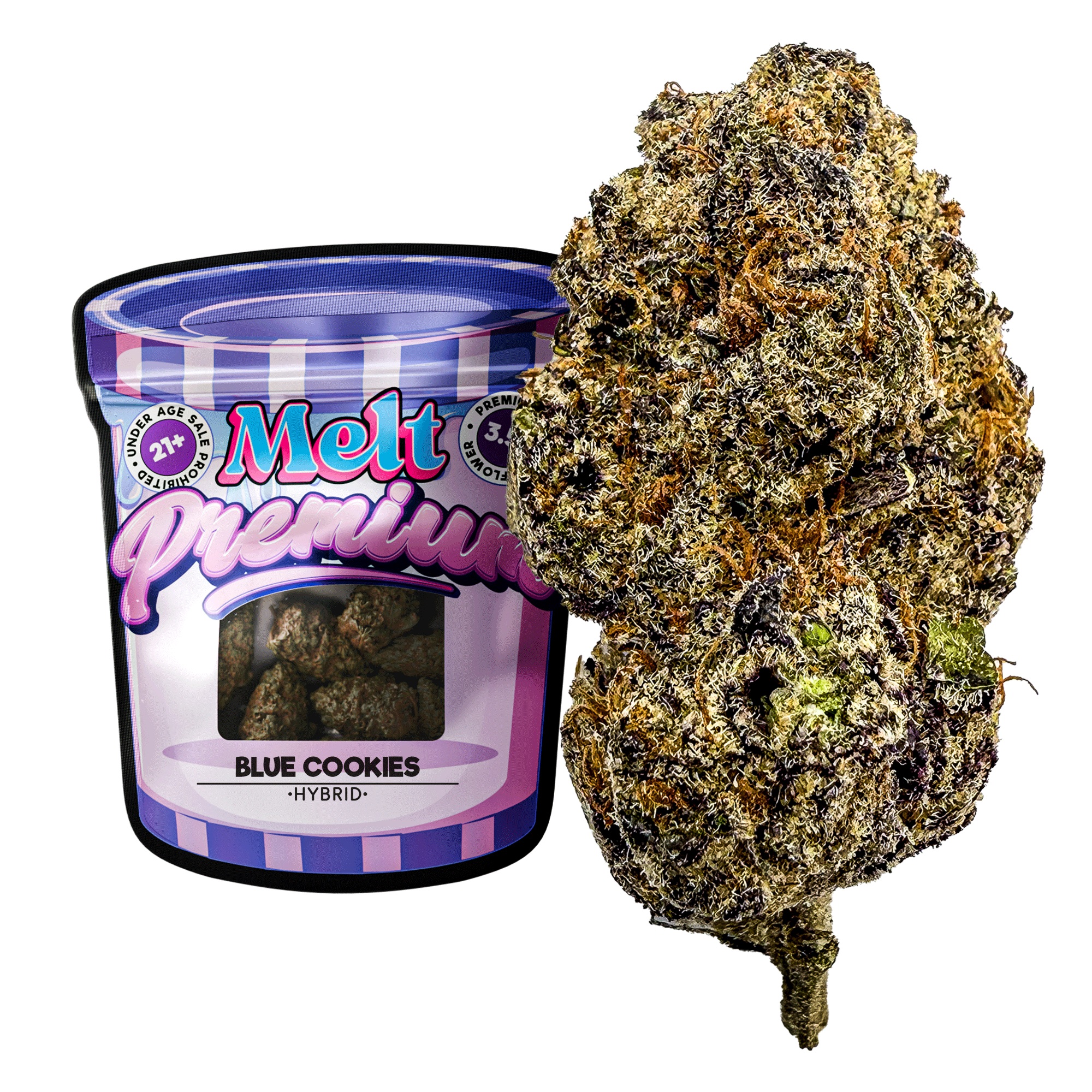
That distinction matters. A plant that has started flowering is not the same as a plant that has finished flowering well. For shoppers looking at THCA flower, including products like Melt's, that gap helps explain why one jar can feel rich, loud, and mature while another seems less expressive even if both were marketed as premium.
A shopper comparing two jars of THCA flower can end up looking at buds that followed very different biological clocks before they ever reached the shelf. One may have come from a plant the grower kept in vegetative growth until the structure was dialed in. The other may have come from a plant programmed to race from seed to harvest on its own timeline. That difference helps explain why flowering time is not just a cultivation detail. It shapes how fully a flower can develop its resin, aroma, and overall character.
Photoperiod and autoflower cannabis differ in one main way. Photoperiod plants begin flowering in response to light exposure, while autoflowers begin flowering because of age. Paradise Seeds' flowering guide notes that most photoperiod plants flower for about 8 to 10 weeks, some sativa varieties run up to three weeks longer than indica types, indoor growers commonly trigger bloom with a 12 hours light and 12 hours dark schedule, and many autoflowers complete their full life cycle in about 8 to 9 weeks from germination to harvest.
Photoperiod plants respond to seasonal light cues. Indoors, growers create that cue by switching to a 12/12 light schedule. Outdoors, nature does the job as summer shifts toward fall.
That setup gives the grower timing control. They can spend more time building plant size, branch structure, and canopy shape before flowering starts. For consumers, that matters because a carefully timed photoperiod run often gives the plant more room to fully express its genetics before harvest. If you want the grow-side version of that process, this guide on how to grow THCA flower step by step breaks it down clearly.
Autoflowers run on an internal timer. They do not wait for shorter days to start blooming.
A good comparison is a slow-cook meal versus a preset pressure cooker. Both can produce a finished result, but the schedule is different from the start. Autoflowers are popular when speed and turnover matter because the plant moves through its life cycle quickly. That does not make autoflower flower lower quality by default. It means the margin for timing, stress, and finishing choices is often tighter.
| Feature | Photoperiod Strains | Autoflower Strains |
|---|---|---|
| Flowering trigger | Light cycle change, commonly 12/12 indoors | Age-based flowering |
| Typical timeline | Often a longer, separately managed flowering period | Often a faster seed-to-harvest schedule |
| Grower control | More control over when bloom begins | Less control over when flowering starts |
| Consumer implication | More opportunity for deliberate plant development before bloom | Faster production rhythm that depends on clean execution |
For buyers, the useful question is not which category sounds better on paper. The useful question is whether the flower was allowed to finish well within its own timeline.
Photoperiod flower often reflects a more controlled bloom schedule. Autoflower flower reflects a faster life cycle with less room to delay or extend development. In both cases, the end result is what counts. If the harvest timing was right, the flower should smell developed, look mature, and carry the kind of resin and flavor depth people expect from high-quality THCA flower, including products like Melt's.
Two plants can enter flower on the same day and still finish very differently. One builds dense, aromatic buds with a thick coat of resin. The other reaches the end of its cycle looking acceptable, but the nose is flatter and the finish is less polished. That gap usually starts with genetics, then widens or narrows based on the environment.

Genetics work like a built-in schedule. Some cultivars are bred to finish relatively fast and stay compact. Others keep building for longer, stacking calyxes, stretching more, and taking extra time to fully mature. A long-flowering cultivar can still produce outstanding flower, but only if it gets the full window its lineage calls for.
For consumers, that matters more than it might seem. Flowering time is tied to how completely a plant develops its cannabinoids, terpene profile, and resin structure before harvest. A cultivar with a naturally longer bloom can offer layered aroma and a more developed expression, but that only shows up in the jar if it was allowed to finish properly.
That is why rushed flower often feels incomplete.
Genetics set the recipe. The grow room controls the oven.
Photoperiod plants begin flowering after the light cycle shifts to 12 hours of light and 12 hours of darkness. From there, the plant usually stretches before settling into heavier bud production. As explained in Emerald Harvest's cannabis life cycle guide, temperature, humidity, and overall room stability help determine how cleanly that process unfolds.
A healthy flowering environment supports steady resin production and lowers stress. A poorly managed one can slow development, reduce aromatic intensity, or increase the chance of mold as buds thicken. The plant may still reach harvest, but reaching harvest and finishing well are not the same thing.
Here are the environmental factors that most often change the result:
Growers who want to refine those variables can get a more cultivation-focused breakdown in Melt's guide on how to grow THCA flower.
You do not need to grow cannabis to use this information. You just need to know what it explains.
If a cultivar is known for a longer flowering period, cutting it early can limit aroma depth, resin maturity, and overall expression. If a plant had strong genetics but inconsistent conditions, the final flower may still look decent while falling short on smell, flavor, or smoothness. That is the grower-to-consumer connection. Flowering time is not just a production detail. It helps explain why one jar of THCA flower feels fully developed and another feels like it was pulled before the story was finished.
This video gives a visual overview of how growers think about the flowering phase and plant development.
A calendar can suggest when a plant might be close, but harvest quality is decided by visual maturity. Experienced growers, therefore, stop asking, “How many weeks has it been?” and start asking, “What is the flower telling me?”
For consumers, this matters because properly harvested flower usually shows better resin maturity, cleaner aroma, and a more complete effect profile. You don't need to grow cannabis yourself to understand the signs. Knowing them helps you judge whether a flower looks finished.

The most reliable way to judge harvest timing is by looking at trichomes, the resin glands that coat the buds. According to Hey Abby's flowering stage guide, clear trichomes indicate immaturity, milky-white trichomes signify peak THC concentration, and amber trichomes at about 10–20% of total indicate CBN conversion. The same guide notes that harvesting before this amber threshold results in lower potency, while waiting too long can lead to over-ripening.
That simple visual sequence tells you a lot:
If you want a deeper look at what these resin glands are and why they matter, this guide on trichomes on weed is worth reading.
Trichomes tell the truth better than a harvest date does.
People also watch pistils, the hair-like structures on the flower. As buds mature, those hairs usually darken and curl inward. That can be a useful clue, especially when you're evaluating flower visually without magnification.
Still, pistils are best treated as a supporting sign rather than the gold standard. They can suggest that a plant is getting close, but trichomes reveal whether the resin itself is mature.
If you're trying to connect visual maturity to the final session, use this framework:
Harvest cue: Mature flower should look resolved, not raw. Frost should look developed, not sparse, and the bud should feel like it reached a finish line.
A consumer usually won't inspect every bud with magnification before purchase, but the principles still help. Well-harvested flower often gives off clues even in packaged form. The aroma tends to feel fuller. The bud looks more complete. The resin presence makes sense for the strain rather than appearing superficial.
That's the bridge between grower practice and shopping skill. Harvest timing is one of the clearest reasons premium flower feels premium. Not because the plant lived longer on its own, but because someone waited for the right visual signs instead of cutting by calendar alone.
A jar can look great on the shelf and still tell two very different stories once you open it. One flower was allowed to finish at the right pace, so the aroma feels full, the resin looks developed, and the experience matches the strain's character. Another was rushed or cut at the wrong point, and the result is flatter, less expressive flower even if the bud looked promising at first glance.

Buying THCA flower means buying the outcome of the bloom cycle. Flowering time shapes how fully the plant develops its resin, terpene profile, and overall finish. That matters to growers, but it also matters to consumers, because the length and quality of flowering often show up in the final product as potency, flavor depth, bud structure, and how complete the flower feels in use.
A short-flowering cultivar and a long-flowering cultivar are a bit like fruit varieties with different ripening windows. One reaches maturity faster. One needs more time to build its full character. Faster does not automatically mean worse, and slower does not automatically mean better. The key question is whether the plant was harvested at its proper finish point for that specific genetic line.
That is why flowering time works best as context, not as a shortcut for predicting effects. It helps explain why one premium THCA flower feels bright and terpene-rich, while another feels denser, deeper, or more layered. The grower's job is to match the harvest window to the cultivar. The shopper's job is to recognize the signs of a flower that was finished with patience.
For retail buyers, this changes how you judge quality. Instead of focusing only on strain names or marketing language, look for clues that the flower reached maturity cleanly. Aroma should feel developed rather than faint. Resin should look integrated into the bud, not sparse or superficial. The flower should seem resolved, like it reached the end of its lifecycle instead of being pulled early for speed.
If you want a stronger foundation for evaluating the category itself, this guide on what THCA is and how it works connects the plant chemistry to what you are buying.
Flowering time does not explain everything. It does explain where quality starts, long before the jar reaches your hands.
If you want THCA flower chosen with those standards in mind, browse Melt. Melt focuses on legal hemp-derived cannabinoids, strain-specific flavor, transparent lab reporting, and a curated lineup built for consumers who care how flower is grown, finished, and experienced.
Your cart is currently empty.