



Free Shipping All Orders Over $95
Wake and bake means using cannabis shortly after waking up, often within the first hour of the day to shape the tone of your morning. In research, it's often defined even more narrowly as cannabis use within 30 minutes of waking.
If you searched this because you've heard the phrase and want the meaning, that's the core answer. But many aren't only asking for a definition. They're really asking whether it's a chill ritual, a bad habit, a productivity hack, or something that sounds better than it works.
That depends on the person, the dose, the product, and what the rest of the day looks like. A wake and bake before a slow morning walk or a lazy Sunday is very different from one before driving, caregiving, meetings, or anything that needs sharp judgment. Morning cannabis can feel uplifting and intentional for some adults, but it can also stretch intoxication across more of the day than people expect.
Some people wake up and reach for coffee. Others check their phone before they've even sat up. And for some adult cannabis consumers, the first ritual of the day is a hit, a joint, or a gummy. That's where the question starts: what does wake and bake mean, and why has the phrase stuck around for so long?
At the simplest level, it means consuming cannabis soon after getting out of bed. Usually, people mean within the first hour, before breakfast, work, or the day's first real task. The phrase sounds playful, but the decision behind it is more serious than the slang suggests.
Morning use can feel very different from evening use. Your mind is fresh, your to-do list is waiting, and the effects can shape everything that follows. For some adults, that means a softer start, a mood lift, or a creative nudge. For others, it means grogginess, drifting attention, or realizing too late that they weren't as functional as they thought.
Practical rule: If you wouldn't have a drink before doing the task, don't assume cannabis belongs there either.
A modern approach to wake and bake isn't about romanticizing being high all day. It's about making an informed choice. That means knowing what the term covers, where it came from, how morning use tends to feel, what the research says about risk, and how to reduce harm if you choose to do it.
The phrase wake and bake has lived in cannabis culture for decades, but it's more precise than a lot of slang. Merriam-Webster defines it as smoking marijuana immediately upon waking, and research often treats it as cannabis use within 30 minutes of waking. Merriam-Webster also notes that the phrase is commonly linked to 1960s counterculture, with some sources suggesting it was popularized by fans of The Grateful Dead in particular, which helped cement it as part of the larger cannabis lexicon in this definition of wake-and-bake.

In everyday conversation, people usually aren't timing it with a stopwatch. They mean cannabis used early enough that it becomes part of the morning routine. That could be before coffee, with coffee, or right before the first task of the day.
That timing matters because the phrase doesn't just describe being high in the morning. It describes starting the day with cannabis. That's why it feels like a ritual instead of a random session.
Some cannabis slang fades fast. This one didn't. It stuck because it names a recognizable behavior, not just a vibe. It also carries a certain cultural identity. There's an old-school, counterculture feel to it, but today it shows up in a more mixed setting: casual consumers, wellness-minded adults, weekend users, and people who are trying to understand modern cannabis language.
If you're newer to cannabis culture, it helps to see wake and bake as part of the broader vocabulary around consumption habits, much like other common phrases explained in this guide to what 420 friendly means.
| Term | Meaning |
|---|---|
| Wake and bake | Cannabis shortly after waking |
| Morning use | A broader, less slangy version of the same idea |
| Ritual use | Repeating the behavior as part of a routine |
The phrase started as slang, but it now describes a specific pattern people recognize immediately.
Your first hour after waking sets the tone for everything that follows. Add cannabis to that window, and the experience can feel sharper, heavier, or more pleasant than the exact same product used at night. The reason is simple. In the morning, your brain and body are still shifting from sleep into action, so the effects can stand out more.
For some adults, that feels appealing. A small amount may pair well with stretching, music, light chores, or a slow weekend routine. For others, it can throw sand in the gears. Work that depends on memory, speed, planning, or quick judgment often feels harder once cannabis is in the mix.
The pattern is common enough to appear in survey research. The 2017 Global Drug Survey found that 21.9% of American cannabis users reported consuming within an hour of waking, as summarized earlier in Cannigma's review of wake-and-bake research.

A careful morning session can feel less like partying and more like changing the lighting in a room. The room is still the same, but your attention may settle on different things. Colors, sounds, ideas, and repetitive tasks can feel more engaging, which helps explain why some people connect wake and bake with creative hobbies or low-pressure routines.
Dose and setting matter a lot here. A tiny inhaled dose before a free morning can feel very different from a potent edible taken before a busy day. Adult consumers who want a lighter daytime profile often look for options associated with alertness and a less sleepy feel, which is why guides to the best sativa strains for energy tend to come up in these conversations.
Intention matters too. Cleaning the kitchen, watering plants, sketching, or listening to an album asks for a different kind of focus than answering difficult emails or managing a packed schedule.
Morning use has a long runway. If you consume early, the effects can overlap with more of your responsibilities, meals, conversations, and decisions. What feels pleasant at 8 a.m. can still shape your pace and judgment hours later, even if the peak has passed.
That is where confusion starts for newer consumers. Feeling absorbed in an activity is not the same as performing it well. Cannabis can make a task feel interesting while still slowing recall, reaction time, sequencing, or error-checking. A good analogy is driving with a tinted windshield. You can still see the road, but some details become harder to read quickly.
Used carefully, morning cannabis may feel pleasant and purposeful. Used casually, it can turn one quiet ritual into a day that feels slower and less precise.
The biggest mistake people make with wake and bake is treating it like a harmless lifestyle aesthetic instead of an impairment decision. If cannabis goes into your system early, your responsibilities don't disappear. They just meet a different version of you.
A daily diary study of young adults found that wake-and-bake use happened on about one-tenth of cannabis-use days, and on those days participants had significantly higher odds of driving under the influence of cannabis compared with days they used later, according to the NIH-hosted study on wake-and-bake patterns.

Driving is the obvious one, but it's not the only one. Morning use can affect anything that depends on attention, reaction time, memory, sequencing, or judgment.
That includes:
If you overdo it, your first priority is safety, not powering through. This guide on how to get rid of a high fast can help you think through the basics of riding it out more safely.
The cultural image of wake and bake is often mellow and carefree. The lived reality can be more complicated. Morning THC may feel fine in the moment but blur motivation, flatten follow-through, or turn simple tasks into long detours.
There's also a pattern issue. Some expert guidance notes a gap between what people hope morning cannabis will do for focus or mood and what we know about work quality, reaction time, and decision-making in daily life. We also know the ritual can encourage using again later, especially if the first session fades before the day is done.
If a morning session makes you renegotiate basic responsibilities, it wasn't a functional dose.
If an adult chooses to wake and bake, the smartest version of that choice is deliberate. Not automatic. Not because it's Saturday and the grinder is nearby. Responsible use starts before the first inhale.
Guidance aimed at more functional morning cannabis use recommends starting with a low dose, avoiding very high-THC products, and leaning toward terpene profiles such as limonene or terpinolene, which are commonly associated with less sedation, while being more cautious with myrcene if you want to stay alert according to this practical wake-and-bake guide.

A good wake and bake is planned around the day, not crammed into it. Before using anything, ask a blunt question: what do I need from myself over the next several hours?
If the answer includes driving, conflict resolution, parenting, physical risk, or detailed work, skip it. If the day is open, low-stakes, and easy to control, the equation changes.
Adult consumers frequently misunderstand this point. “Good for morning” doesn't mean “guaranteed to make me productive.” It means the profile may be less likely to drag you into sedation.
A few general guidelines help:
Respect the difference between a chosen ritual and a reflex. One is intentional. The other can quietly run your schedule.
No. It isn't automatically bad for every adult, every time. But it's not neutral either. The better question is whether it fits the demands of your day, your tolerance, and your ability to stay safe and responsible.
Sometimes it may feel like it helps with mood, creativity, or getting into a flow state. But there's a real gap between feeling productive and performing well. If your day needs accuracy, speed, or judgment, be skeptical of that feeling.
Many daytime guides suggest lower doses, avoiding very high-THC options, and looking for terpene profiles associated with less sedation, especially limonene or terpinolene. Personal response still matters more than labels.
Generally, they're not the easiest place to start. The onset can be slower and the duration can spill far into the day. That makes it harder to predict how functional you'll feel later.
Skip it when you need to drive, work carefully, solve problems, care for someone else, or be reliably sharp. If there's doubt, that's usually your answer.
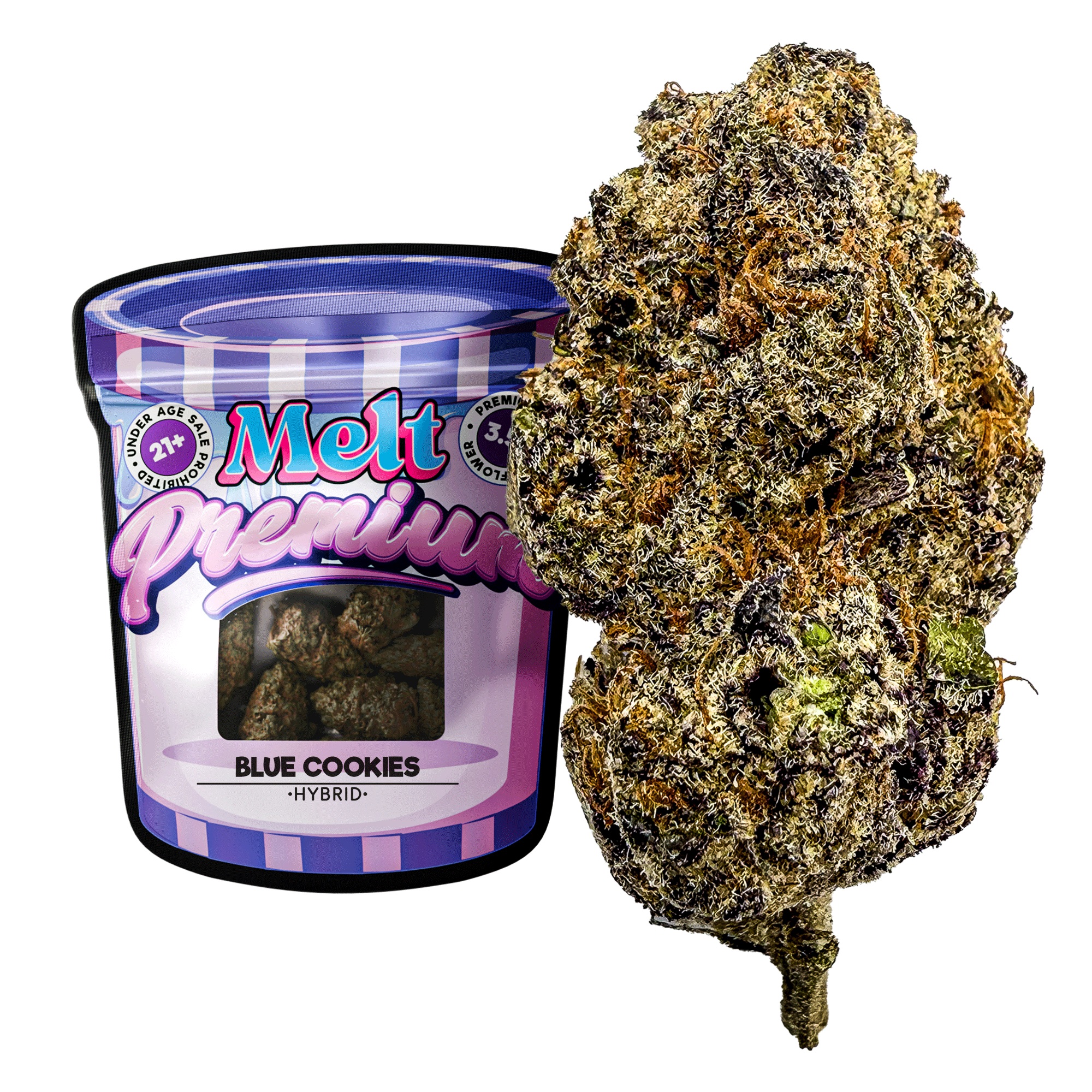
If you're looking for legal hemp-derived products from a brand that takes quality, testing, and terpene profiles seriously, Melt is worth a look. Melt offers a curated lineup of disposables, THCA flower, prerolls, and edibles built for adult consumers who want potent, flavorful options with transparent lab reports and a polished California feel.
Your cart is currently empty.