



Free Shipping All Orders Over $95
You're staring at a dispensary menu packed with hybrids. One says “balanced.” Another says “sativa-dominant.” A third promises relaxation without couch lock. They all sound plausible, and none of them tell you what the experience will feel like in your body.
That confusion is normal. “Hybrid” is one of the most overused labels in cannabis, and it often creates a false sense of precision. Many shoppers assume the label alone can predict the high. In practice, that's where people make bad buys.
The better approach is to treat a strain like a recipe, not a category. Key clues live in its chemical fingerprint, especially its cannabinoids and terpenes. That matters even more today, because modern hybrid discussions often revolve around whether terpene-driven effects can outweigh simple genetic dominance, a gap highlighted in this discussion of hybrid effects and terpene influence.
If you've ever bought a hybrid expecting a smooth middle-ground experience and ended up either wired or flattened, you've already seen the problem. The label sounded clear. The outcome didn't.
That mismatch happens because hybrid strain effects don't come from one word on the jar. They come from the interaction between potency, terpene profile, and your own tolerance. Genetics still matter, but they're only part of the story.
Practical rule: Treat “hybrid” as a starting point, not a prediction.
A lot of people still shop by the old shortcut. Sativa means upbeat. Indica means sleepy. Hybrid means somewhere in the middle. That framework is simple, but modern flower is too crossbred for those buckets to do much heavy lifting on their own.
What helps more is learning how to read the details that shape the session. A hybrid with a relaxing terpene mix can feel calmer than its lineage suggests. Another hybrid with a brighter terpene profile and a punchy THC level can feel sharp, social, or mentally active. Same shelf category. Very different ride.
The confusion usually comes from three places:
Think of this article as a decoder ring for the menu. Once you know what to look for on a label or lab report, hybrids stop feeling mysterious. You can start making choices with intent instead of hope.
A hybrid strain is cannabis created by crossing different parent plants, usually from lineages commonly described as indica and sativa. Breeders do this to combine traits. They might want the body comfort often associated with indica lines and the more alert mental quality often associated with sativa lines, or they may be chasing flavor, aroma, structure, or potency.
That's the basic idea. A hybrid is a blend.

A simple way to picture hybrids is color mixing. If one parent is blue and the other is yellow, the result isn't one fixed green. You can get a bright green, a muted green, a dark green, or something almost teal depending on what was emphasized.
Hybrids work the same way. Two strains can both be called hybrids while expressing very different traits. One may lean calm and body-heavy. Another may feel chatty, creative, and light. A third may land somewhere in between.
That's why the phrase “best of both worlds” is only partly helpful. It suggests balance, but not all hybrids are balanced.
Dispensaries usually sort hybrids into broad subtypes:
Those labels can be useful as rough orientation. They're like reading the genre of a movie before you watch it. Helpful, but not enough to know the plot.
Genetics tell you what the plant comes from. Chemistry tells you what the flower may feel like.
Breeders aren't just mixing plants randomly. They're selecting for combinations they want to preserve. That could mean a certain aroma, a particular resin production style, a smoother daytime profile, or a stronger evening expression.
For a shopper, the key takeaway is simple:
| Label | What it tells you | What it doesn't tell you |
|---|---|---|
| Hybrid | The strain comes from mixed lineage | How strong it is |
| Indica-dominant | It may lean more relaxing | Whether it will be sedating for you |
| Sativa-dominant | It may lean more uplifting | Whether the terpene mix makes it feel calm instead |
| Balanced | It aims for a middle-ground profile | The exact mental and body effects |
So yes, a hybrid is a genetic blend. But if you stop there, you're still shopping with blurry vision.
If genetics are the blueprint, cannabinoids and terpenes are the finished building. They shape what you notice after you inhale, vape, or eat.
A practical way to think about it is this. Cannabinoids are the engine. Terpenes are the steering wheel. The engine provides power. The steering wheel influences where that power goes and how the ride feels.

Most shoppers look at THC first, and that makes sense. THC is the main psychoactive driver in many cannabis products. In plain terms, it often sets the intensity ceiling. A high-THC hybrid can feel more forceful, faster, and less forgiving if your tolerance is low.
CBD changes the picture. It doesn't create the same classic high as THC, but many shoppers seek products with some CBD because the experience can feel more grounded or less sharp. Other cannabinoids can also influence the overall character, though product labels vary in how much detail they show.
The key point is that cannabinoids establish the core power and shape of the session. But they don't explain everything.
Terpenes are aromatic compounds found in cannabis and many other plants. They affect smell and flavor, but they also help explain why one hybrid feels different from another.
A useful shorthand:
These aren't hard guarantees. They're pattern-recognition tools.
If you want a stronger foundation, this guide on what terpenes are in weed gives a helpful primer on how to think about them.
The chemistry gets more interesting when cannabinoids and terpenes interact. In hybrid chemovars, α-pinene and β-myrcene are more pronounced terpenes, and ACS Laboratory's terpene synergy discussion notes that when these compounds are combined with THC, they can boost CB1 receptor activity several times beyond THC alone.
That matters because it supports what many experienced consumers already notice in practice. Two products with similar THC can still feel very different.
A strain's aroma profile isn't cosmetic. It can be one of the best clues to how the experience may lean.
When you look at a label or COA, ask yourself two questions:
A sativa-dominant hybrid with high myrcene may feel more relaxing than the marketing suggests. An indica-leaning hybrid with brighter terpenes may feel less sleepy than expected. That's why chemistry often beats category.
Two jars can both say “hybrid” and deliver completely different experiences. That isn't marketing nonsense. It's the result of several variables stacking together.
The biggest one is cannabinoid concentration. Mission Dispensaries' hybrid strain overview notes that Godfather OG can reach up to 35% THC, while Blue Dream typically ranges from 17% to 24% THC. That alone tells you these aren't interchangeable purchases.

If one hybrid sits at the extreme high end of THC and another lands in a more moderate range, the effect difference may be obvious before terpenes even enter the picture. Higher THC can raise the intensity, shorten the margin for overdoing it, and change whether a strain feels functional or overwhelming.
That doesn't mean higher is better. It means stronger.
A lot of shoppers confuse “hybrid” with “balanced,” then accidentally buy a product that's chemically built for a much heavier experience.
Now add terpenes. A hybrid known for a rich, earthy, settling profile may feel very different from one that smells citrusy or pine-forward, even if both live in the same broad potency band.
Old-school lineage talk starts to break down. The label may say sativa-dominant or indica-dominant, but the leading terpenes often do more to explain how the session unfolds in real life.
Chemistry isn't only about genetics on paper. Growing conditions, harvest timing, and curing all influence the final expression of the flower. Two versions of a familiar strain name can vary because the plant wasn't grown, handled, or preserved the same way.
That's one reason lab reports matter. If you want to compare products more intelligently, learn how to read a certificate of analysis. It gives you a cleaner basis for comparison than a menu description alone.
Don't compare hybrid names. Compare hybrid profiles.
When you're looking at two hybrids, check these factors side by side:
Same category. Different chemistry. Different effect.
Individuals often choose hybrids backward. They start with the strain name, get charmed by the description, and only then look at the numbers. Flip that process around.
Start with the effect you want. Then use the lab report to see whether the chemistry supports it.

A good reminder comes from medical cannabis data. In a survey of 1,028 participants, hybrids were the most preferred type for pain treatment, with 58% using medical cannabis for over one year and an average of 5.9 strains per individual, yet the study found no significant difference in therapeutic outcomes between sativa, indica, and hybrid categories, pointing instead toward specific chemovars and terpene profiles rather than broad labels, as reported in this medical cannabis survey on strain preference and pain outcomes.
Before you look at products, answer this: what do you want this hybrid to do?
Not in abstract terms. In real ones.
If you're newer to cannabis, it's smart to stay conservative and prioritize easier-to-read profiles. This list of best cannabis strains for beginners can help you think about gentler starting points.
Look at the top cannabinoids before anything else.
A simple working framework:
| What you see | What it may suggest |
|---|---|
| High THC with little else highlighted | Stronger, more direct psychoactive impact |
| Moderate THC | More room to dial in dose and context |
| THC plus other notable cannabinoids | A more layered experience, depending on the mix |
This doesn't replace personal testing, but it gives you a baseline. If you know very high THC tends to flatten you or make you edgy, don't let a strain name talk you into ignoring that.
Now move to the terpene panel. You don't need to memorize everything. Focus on the top few.
Here's a practical reading style:
This is not fortune-telling. It's informed pattern recognition.
Buy with a hypothesis. “This terpene mix looks like a good fit for a social evening” is better than “This name sounds cool.”
Product descriptions still have value. Aroma notes, intended use, and general lean can help. But they work best when they match the lab report.
If a product is marketed as energizing but the profile looks much heavier on paper, trust the chemistry more than the copy.
Here's a useful way to check alignment:
If all three line up, your odds of a good match improve.
A quick visual walkthrough can make that process easier:
This is the part most shoppers skip, and it's the one that sharpens your judgment fastest.
Keep a simple note on your phone with:
After a few entries, patterns start to show up. Maybe you learn that myrcene-heavy hybrids work best for late evenings. Maybe pinene-forward profiles feel cleaner for daytime use. Maybe high-THC flower is fine, but only in very small amounts.
That personal data matters because your ideal hybrid isn't just about the plant. It's about the plant plus you.
The word hybrid is useful, but it's only the headline. The core story is in the lab report.
Once you stop treating indica, sativa, and hybrid as precise effect guarantees, cannabis shopping gets much easier. You stop asking, “What category is this?” and start asking better questions. How much THC is in it? What other cannabinoids are present? Which terpenes lead the profile? Does that chemistry fit the kind of session you want?
That shift changes everything. It turns guessing into evaluation.
A smart hybrid shopper doesn't chase strain names alone. They compare profiles, keep notes, and build their own pattern library over time. That's especially useful with modern flower, where old lineage language often can't keep up with what the chemistry is doing.
The best predictor isn't the label by itself. It's the combination of chemical data and your own experience.
Start small. Pick one hybrid that looks calm on paper and one that looks brighter. Track both. Notice what happens. In a short time, you'll read menus with a different kind of confidence.
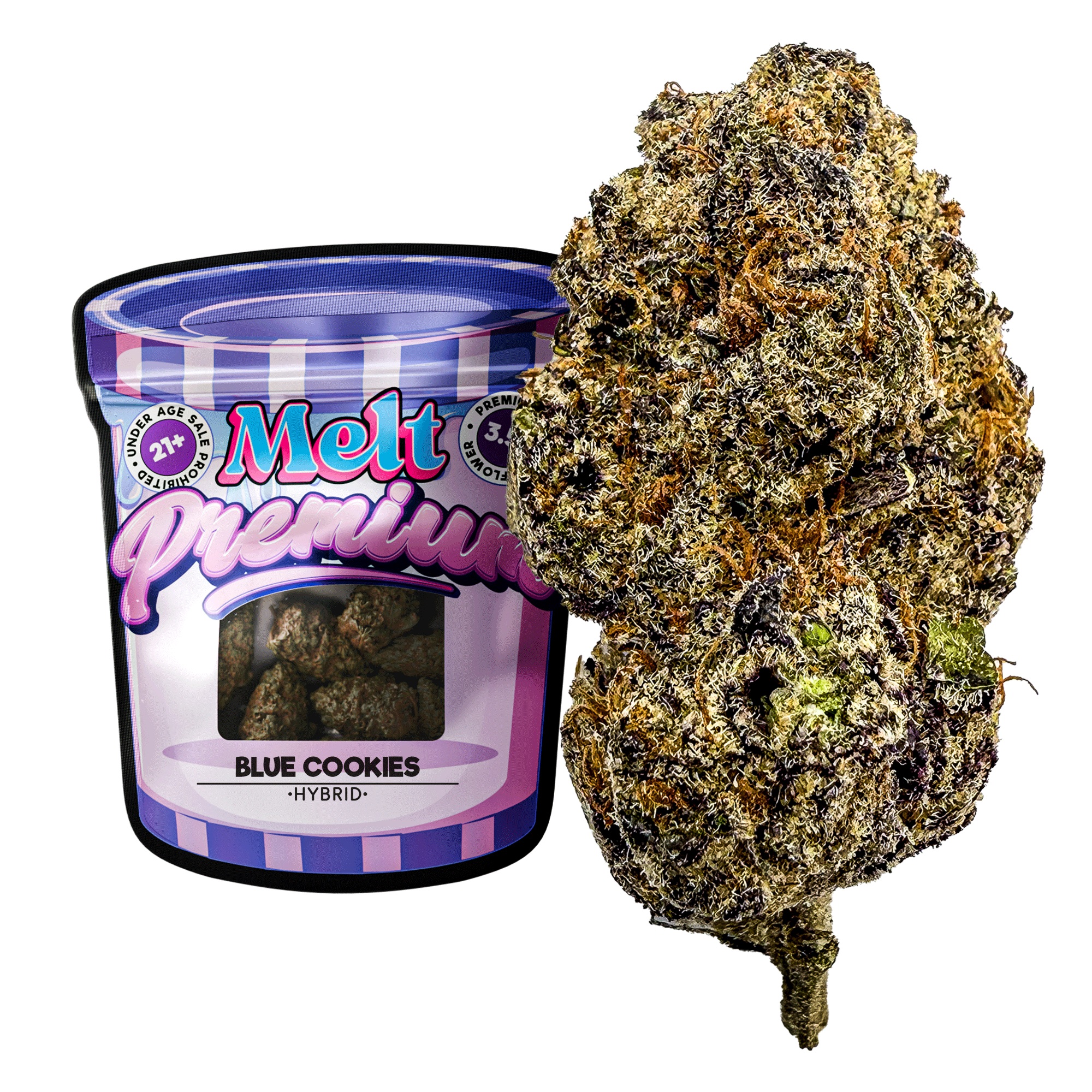
If you want cannabis products backed by transparent testing and strain-specific terpene information, Melt is worth exploring. Their focus on third-party lab reports and clearly presented product details makes it easier to shop by chemistry instead of hype.
Your cart is currently empty.