



Free Shipping All Orders Over $95
You're probably here because the usual cannabis formats don't fit what you want right now. Maybe smoking feels too harsh, edibles are too slow, and tinctures feel clinical. You want something greener, fresher, and more aligned with the way people already think about wellness drinks.
That's where juicing with cannabis gets interesting. Done properly, it isn't about chasing a heavy high. It's about using the plant in its raw state, preserving compounds that change once heat enters the picture, and treating cannabis more like fresh produce than a party product.
Raw cannabis juice belongs in the same conversation as wheatgrass, celery juice, and blended greens. The difference is that cannabis carries a unique cannabinoid profile when it's fresh and unheated. That profile shifts dramatically once the plant is smoked, baked, or otherwise heated.
When people talk about juicing with cannabis, they often mean tossing leaves into a blender and hoping for the best. That's too loose. Real raw cannabis juicing uses fresh plant material, usually leaves and sometimes fresh flower, processed without heat so the plant stays in its original chemical state.
Raw cannabis juice is not the same as:
The point is simple. If you heat cannabis, you move away from what makes the raw juice category distinct.
A lot of adults want cannabis benefits without the ritual of inhaling smoke or the unpredictability of a strong edible. Raw juicing appeals to that crowd because it feels familiar. You wash the plant, pair it with produce, and drink it as part of a morning or afternoon routine.
It also helps to understand the plant beyond just THC percentage. Aroma compounds and plant chemistry matter here, which is why learning about terpenes in weed adds useful context even if you're focused on raw preparations rather than smoking.
Raw cannabis juicing works best when you stop thinking like a recreational user and start thinking like a produce prep person.
That mindset changes everything. You pay attention to freshness, oxidation, flavor balance, and storage. You stop asking, “Will this get me high?” and start asking, “Is this still chemically intact?”
This method sounds clean and simple. In practice, it asks more from you than most cannabis routines. Freshness matters. Handling matters. The amount of plant material matters. If you're expecting the convenience of a pre-roll or gummy, raw juicing can feel demanding.
Still, for people who want a plant-forward ritual and care about preserving raw cannabinoids, it's one of the most interesting ways to work with cannabis.
Raw cannabis juicing makes sense because the chemistry is different before heat enters the picture. In fresh plant material, the dominant cannabinoids are usually in their acidic forms, especially THCA and CBDA. Those compounds have a different profile from the THC and CBD people associate with smoking, vaping, or baked edibles.
Heat changes the equation. Once cannabis is exposed to enough heat, THCA converts to THC. That is useful if the goal is intoxication. It works against you if the goal is to keep the plant in its raw state.
Cold processing helps preserve the original cannabinoid profile of the plant. It also avoids the combustion byproducts that come with smoking and the decarboxylation that happens during baking or other high-heat methods.
Key point: Raw juicing is about keeping cannabis as close as possible to its fresh, unheated chemistry.
That matters for more than one compound. Raw preparations can include acidic cannabinoids along with flavonoids, chlorophyll, and other plant constituents that wellness-focused consumers often want from a produce-style ritual. From a practitioner standpoint, this is the primary appeal. You are not chasing a fast high. You are preserving a specific biochemical state.

THCA gets the most attention because it is abundant in raw flower and non-intoxicating in that form. Early preclinical research has made it a cannabinoid of interest for people looking at inflammation, neuroprotection, and whole-plant wellness applications, though the human evidence is still developing. That trade-off matters. The science is promising, but it is not a license to make medical claims.
For readers who want a broader primer before they start experimenting, this guide to THCA effects and benefits gives useful background.
A good raw juice starts with a simple rule. Keep heat low, oxidation limited, and plant material fresh.
What works:
What works poorly:
This is also where the modern THCA conversation gets interesting. Traditional raw juicing assumes you have access to fresh fan leaves and just-harvested flower. Many consumers do not. High-potency, lab-tested THCA flower gives people another way to work toward a raw-cannabinoid approach, with some real compromises around freshness, moisture content, and biomass. It is not identical to clipping a live plant in the garden, but it can be a practical bridge for people who want the raw-cannabis experience without growing their own.
You can spot a rough cannabis juice almost immediately. It is foamy, grassy in the wrong way, and thin on yield. In practice, that usually starts with the wrong machine or not enough plant material on the counter.
A masticating juicer, especially a wheatgrass-style model, gives raw cannabis the best shot at a clean press. It runs slower, creates less friction, and handles fibrous greens better than a centrifugal juicer. That matters with cannabis because leaves and fresh flower are stringy, resinous, and easy to overwork.

A blender still has a place, but it makes a blended raw drink, not a true cold-pressed juice. The texture is heavier, the pulp stays in the glass, and the result tends to oxidize faster. If the goal is a produce-style cannabis juice with a cleaner mouthfeel, pressing beats blending.
Raw cannabis juicing is a high-volume method. A small handful of leaves rarely produces enough liquid to build a satisfying glass, especially once you strain it and combine it with other produce. Anyone trying the traditional garden-fresh route should expect to work with a meaningful amount of fresh material, not just a few trim pieces.
That volume requirement is one reason many people never turn raw cannabis juicing into a regular routine. Access is a primary constraint. Fresh fan leaves and just-harvested flower are easy to describe and much harder to source consistently unless you grow your own or have a legal local supply.
Set everything out before you start. Cannabis juice goes better when the workflow looks more like prepping celery juice than making a complicated recipe.
A practical setup includes:
For consumers who do not have access to fresh plants, this is also the point where the modern THCA option becomes practical. High-potency, lab-tested THCA flower can stand in for part of the cannabis input, though it behaves differently from a freshly cut plant. It has less moisture, fewer juicy leaves, and a different yield profile, so the prep usually works better when THCA flower is paired with hydrating produce rather than treated like garden-fresh biomass.
One practical rule holds up every time. If you cannot source enough fresh cannabis regularly, traditional whole-plant juicing becomes an occasional project instead of a realistic daily habit.
Cold-pressing goes well when the prep is disciplined. If the juicer bogs down, the flavor turns harsh, or the yield feels disappointing, the bottleneck usually starts before the machine is on.
Treat raw cannabis the way you would any delicate green. Leaves benefit from a gentle rinse, and one commonly cited step is to soak freshly picked leaves in cold water for five minutes before juicing, as outlined in Jane's guide to juicing raw cannabis. That short soak helps clean the surface and preps the leaves for pressing.
Handle flower differently. Skip the soak for buds, especially if you are working with dense fresh flower or modern THCA flower that you want to keep intact until it hits the press. Too much water on the flower side can muddy texture and make the feed less consistent.
After rinsing, sort everything with a produce-prep mindset. Pull any wilted or damaged material. Trim thick stems and break larger leaves into manageable sections. A cold-press juicer works best with small, even inputs, not bulky handfuls.
Slow feeding gives you better control over both texture and yield. Run cannabis through in small rounds, alternating it with watery produce like cucumber or celery so the auger keeps moving and the plant matter does not compact into a stubborn plug.
A steady rhythm usually works better than a big batch:
This is one of the key trade-offs between garden-fresh cannabis and THCA flower. Fresh plant material brings more natural water and leafy bulk. THCA flower can still contribute raw cannabinoids, but it needs support from high-moisture produce to press cleanly.
Do not discard the pulp after the first pass. Run it through the juicer one more time.
That second press often pulls out a meaningful amount of residual liquid, as noted earlier in Jane's protocol. For a material-heavy process like cannabis juicing, that extra pass is one of the easiest ways to improve efficiency without changing your recipe or adding more flower.
Re-juicing the pulp is a simple yield upgrade, especially when cannabis is only part of the produce mix.
Raw cannabis juice shows its best character right after pressing. The aroma is greener, the taste is brighter, and the texture is cleaner. Once it sits, even under refrigeration, it starts to lose some of that fresh-cut quality.
A few mistakes come up often:
Consistency comes from setup. Wash and trim first. Keep the hydrating produce close by. Portion your cannabis before the juicer starts, especially if you are blending fresh leaves with a measured amount of THCA flower.
That workflow matters if you want this to become a realistic practice instead of a one-off project. Traditional raw cannabis juicing still belongs to the garden-fresh world, but careful cold-pressing also creates room for a modern adaptation. With the right prep, lab-tested THCA flower can fit into that routine in a way that is practical, repeatable, and much easier to source.
The flavor of raw cannabis can be grassy, peppery, and bitter. Some people love that. However, its taste isn't for everyone. The trick is to treat the cannabis portion as a concentrate within a broader juice, not as the whole drink.

A commonly recommended beginner ratio is 1 part cannabis juice to 10 parts carrot juice, which helps tame bitterness while making the drink more approachable. You can also pair raw cannabis with watery greens and vegetables if you want a lighter profile rather than sweetness.
Here are a few easy flavor directions:
| Cannabis Juice Flavor Pairings | Recommended Ingredients |
|---|---|
| Earthy and mellow | Carrot, cucumber, raw cannabis juice |
| Bright and green | Cucumber, celery, kale, raw cannabis juice |
| Sharper and fresher | Apple, ginger, cucumber, raw cannabis juice |
Raw cannabis juice isn't something to chug on day one. Start small and pay attention to how your body responds. A small serving mixed into a larger produce juice is the most sensible way to begin, especially if you're new to raw cannabinoids.
The goal here is rhythm, not intensity. It is generally more effective to repeat a modest amount consistently instead of jumping straight into a very strong, very bitter glass one can't finish.
A good cannabis juice habit is one you'll actually keep making.
This walkthrough gives a helpful visual reference for preparation and handling:
Fresh juice is best consumed immediately. If needed, you can refrigerate it in a sealed container for a short window, but quality drops as it sits. The aroma softens first, then the whole drink starts to feel flatter.
That's why many experienced people make smaller batches more often. The routine is less convenient, but the result is noticeably better.
Traditional raw cannabis juicing has one obvious barrier. The general population often lacks access to piles of fresh leaves and freshly harvested buds. That's where a modern workaround enters the conversation.
A real education gap exists between classic whole-plant juicing and the newer use of THCA-rich hemp products in cold beverages. For adults without a living cannabis garden, this approach can offer a more accessible way to explore raw cannabinoid intake. For readers who want a product-focused overview, this THCA flower review gives useful context on what to look for.

Using THCA flower in a cold drink isn't the same as pressing fresh fan leaves through a wheatgrass juicer. It's a different method for a similar goal. Instead of extracting liquid from fresh biomass, you're incorporating a small amount of high-quality THCA flower into a cold blended beverage.
That means the format changes:
A cold smoothie base tends to work better than a thin juice. Think cucumber, frozen pineapple, lemon, leafy greens, and a very small amount of raw THCA flower blended thoroughly. Keep the drink cold and avoid heating it. Once heat enters the process, you move away from the raw-cannabinoid intent.
This modern route won't replace the whole-plant experience for purists. What it does offer is practicality. You don't need to source fresh leaves daily, trim stems, or maintain a grow setup just to experiment with raw cannabinoid beverages.
The key is to treat THCA flower with the same care you'd bring to any premium botanical ingredient. Keep it cold, keep the recipe simple, and start with a restrained amount. The point isn't to mimic a smoked session in a glass. The point is to explore a raw, unheated cannabis beverage with more control than the traditional garden-to-juicer method usually allows.
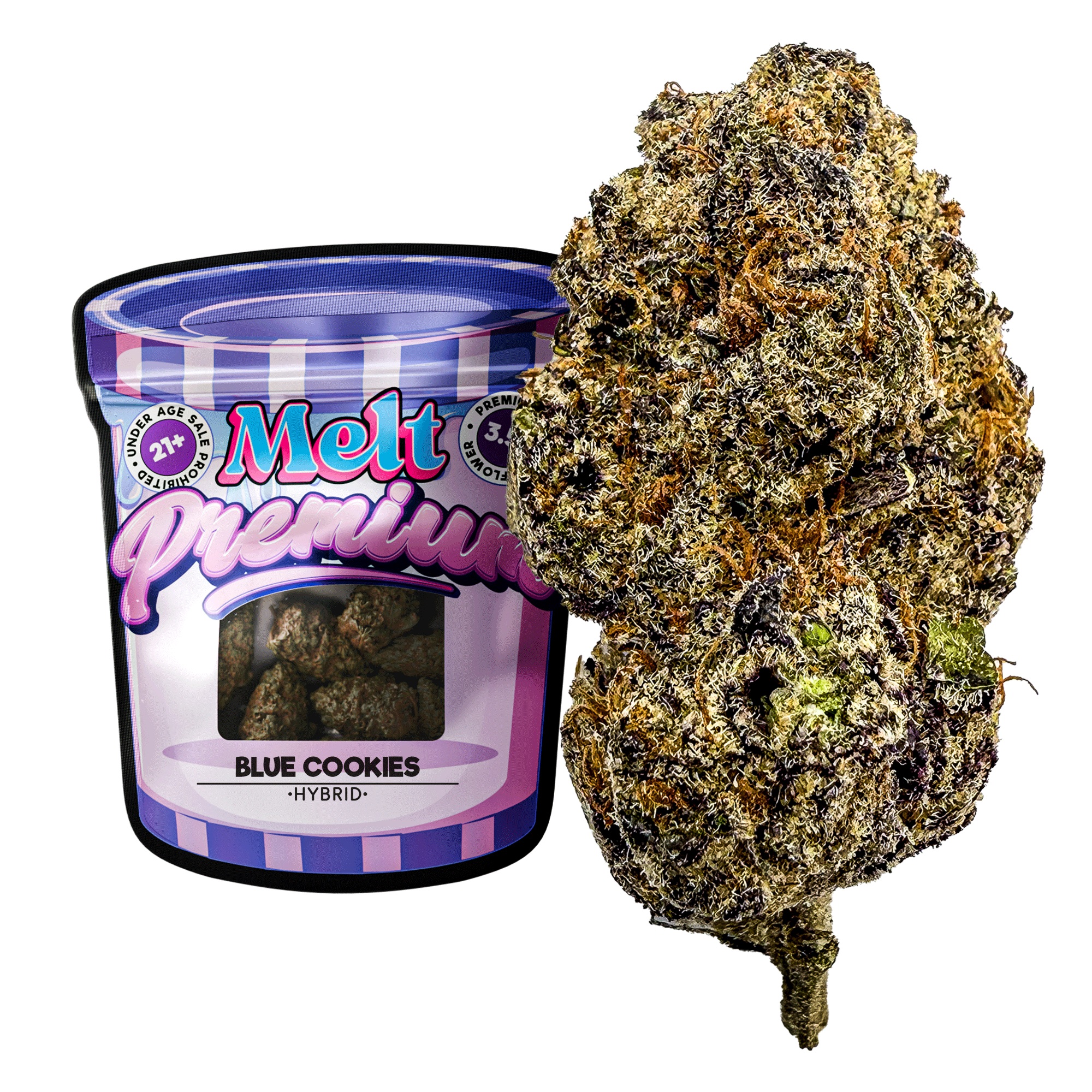
If you want premium hemp-derived options for modern cannabis rituals, Melt is worth a look. Their Los Angeles-based lineup includes lab-tested THCA flower, potent edibles, disposables, and prerolls built around clean terpene expression and reliable quality.
Your cart is currently empty.