



Free Shipping All Orders Over $95
You're probably here because you've narrowed it down to two hemp products that seem similar on the surface, but feel very different once you understand what's in them. One label says Delta-8. Another says THCA. Both are sold in the same broad market. Both can be described as “legal hemp” in some contexts. But they are not interchangeable.
That's where a lot of people get tripped up.
The Delta 8 vs THCA decision isn't just about which one gets you “higher.” It's also about how each compound is made, how it behaves in your body, and how much trust you place in the product itself. If you care about clean manufacturing, realistic effects, and whether a product's lab report means something, those details matter more than flashy strain names.
Start with the chemistry, because that clears up most of the confusion.
Delta-8 THC is a psychoactive cannabinoid. It's active as sold, which means you don't need to heat it for it to produce effects. In hemp products, Delta-8 is typically offered in formats like vapes, gummies, tinctures, and infused flower. It's often described as a gentler alternative to traditional THC.
THCA, short for tetrahydrocannabinolic acid, is different from the start. In its raw form, it is non-psychoactive. It doesn't produce a high until heat changes it into Delta-9 THC. That heat-driven change is called decarboxylation. If you smoke THCA flower, vape a THCA concentrate, or bake it into food, you're no longer dealing with raw THCA in practical terms. You're experiencing the THC it becomes after heating.
That's the key distinction.

Both compounds show up in hemp conversations, and both are often discussed as alternatives to standard cannabis products. But they come from very different starting points.
If you want a broader primer on how different THC types fit together, this guide to types of THC is a useful foundation.
Bottom line: Delta-8 is “ready to go” psychoactive THC. THCA is raw cannabinoid material that becomes potent THC once you apply heat.
That difference shapes everything else. The feel, the strength, the product formats, the safety conversation, and even the legal questions all flow from that one chemical split.
While both cannabinoids can lead to an intoxicating experience, the intensity and character of that experience are usually very different.
Delta-8 is commonly chosen for a lighter, more controlled effect. THCA follows a different path. In raw form, it does not create a high, but once heated, it becomes THC and can feel much closer to a traditional cannabis experience. For many shoppers, that is the primary dividing line.
Here's the quick reference first.
| Feature | Delta-8 THC | THCA |
|---|---|---|
| Starting state | Psychoactive as sold | Non-psychoactive in raw form |
| Needs heat to become intoxicating | No | Yes |
| General effect profile | Milder, calmer, often clearer-feeling | Stronger once heated |
| Potency relationship | Usually felt as gentler than traditional THC | Becomes traditional THC after heating |
| Typical shopper interest | Softer psychoactive option | More traditional, stronger THC-style experience |
| Product feel | Often chosen for a lighter session | Often chosen for fuller body and mind effects |

Delta-8 often appeals to people who want psychoactive effects without the sharper edge that can come with standard THC. Users frequently describe it as calmer, less mentally intense, and easier to fit into a low-key evening.
A practical comparison helps. Delta-8 works like ordering a lighter pour instead of a full-strength drink. You still feel the effect, and you still need to dose carefully, but the experience is often less forceful and easier to manage.
That softer profile is also tied to a larger trust question. Because delta-8 products are usually made through conversion rather than pulled directly from the plant in large amounts, the experience can vary more from brand to brand. Two delta-8 vapes may promise a similar buzz, but purity and formulation play a major role in how clean or harsh that session feels.
Heated THCA is a different category in practice. Once you smoke or vape THCA flower or concentrate, you are no longer dealing with a mild hemp-style effect. You are dealing with THC and the stronger psychoactive profile that comes with it.
That catches some buyers off guard.
A jar of THCA flower can look like a legal hemp product on a shelf, but the lived experience after heating is often much closer to what experienced cannabis users expect from conventional THC. The body feel is usually fuller. The head change is often more pronounced. The overall ceiling is higher.
Potency discussions often stop at “which one hits harder.” That is too narrow.
With delta-8, the question is not only strength. It is also how the ingredient was made and whether the final product was cleaned up properly after conversion. With THCA, the main question is usually easier to understand. How much THCA is present, and what does that become after heating? For health-conscious buyers, that difference matters. One product category is often closer to the original plant. The other depends more heavily on manufacturing quality.
That does not make every delta-8 product bad or every THCA product better. It means you should judge them by different standards.
Delta-8 usually makes more sense for shoppers who want a gentler session and are comfortable buying from brands that publish thorough lab testing for solvents, byproducts, and potency.
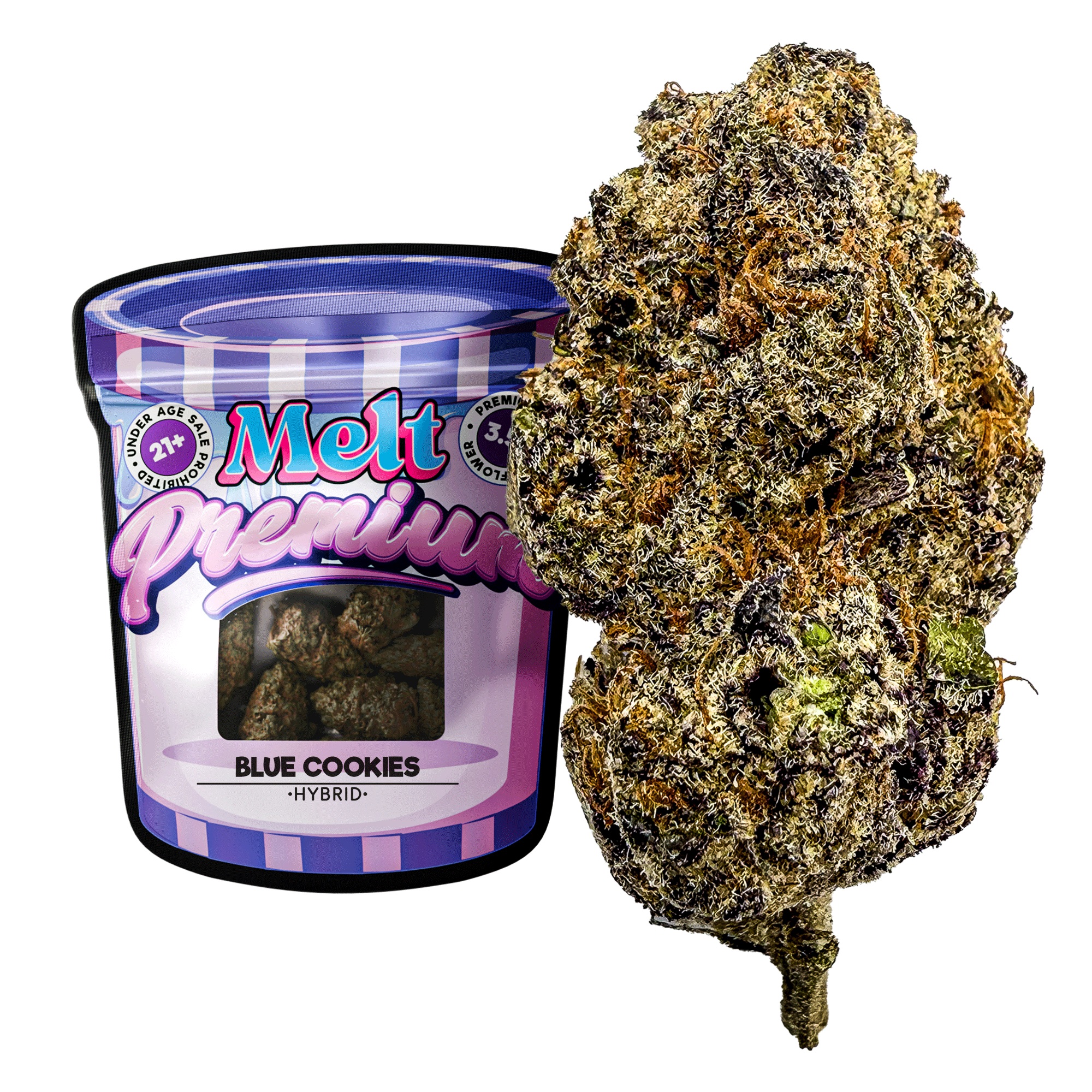
THCA usually makes more sense for shoppers who want a stronger, more familiar THC effect and prefer products that stay closer to the plant, such as flower, pre-rolls, or concentrates.
If your priority is a softer psychoactive experience, delta-8 may fit better. If your priority is a classic THC-style effect with a more natural starting material, heated THCA is often the clearer choice.
A lot of buyers assume Delta-8 and THCA differ only in strength. They also differ in how easy it is to predict the ride.
If you vape Delta-8, you'll usually feel it relatively quickly. The same is true when you smoke or vape THCA flower, because inhalation delivers cannabinoids fast. The major difference isn't just speed. It's the intensity of the peak once those effects arrive.
Edibles create another layer of confusion. A Delta-8 gummy and an edible made with activated THCA are not a fair one-to-one comparison. Even if the label numbers look similar, the actual experience can feel very different because you're dealing with different cannabinoid profiles and different psychoactive ceilings.
Don't treat Delta-8 and THCA as direct swaps.
Use this framework instead:
Practical rule: Start lower than you think you need, especially with THCA products that will be heated.
The most common error is reading “THCA” and assuming it's mild because the raw compound is non-intoxicating. That logic falls apart the moment the product is used in a way that activates it.
The second mistake is assuming a mild Delta-8 edible means all Delta-8 products are equally manageable. A vape, gummy, and infused flower product won't feel identical even if they feature the same cannabinoid.
If you're comparing Delta 8 vs THCA for your first purchase, think less about chasing a certain number on the package and more about the delivery method, your tolerance, and whether you want a light session or a much heavier one.
Product format changes the whole conversation. Two cannabinoids can look similar on a menu, but the way they're sold usually tells you what kind of experience they're built for.

Delta-8 is often easiest to find in manufactured, ready-to-use formats. That includes:
That last point matters. Delta-8 flower usually isn't just flower that naturally grew that way. It's often a post-harvest product. If you want a deeper look at how that category works, this guide to Delta-8 flower breaks it down well.
THCA often shows up in formats that stay closer to the plant:
The biggest shift here is sensory. THCA flower and pre-rolls appeal to people who care about strain character, aroma, and the full ritual of smoking or vaping flower. That's a different shopper from someone who mainly wants a discreet all-in-one device for a fast evening hit.
If you want clean convenience, Delta-8 products often make sense in vape or edible form.
If you want a product that feels more like classic cannabis, THCA flower usually makes more sense. The experience is more tied to heat, flower quality, and terpene expression than to a formulated “effect profile” alone.
This short video helps visualize the difference between modern hemp product categories and how people shop them:
A useful way to frame Delta 8 vs THCA is this: Delta-8 often behaves like a product category built around convenience and modulation. THCA often behaves like a product category built around authenticity and potency.
You order a hemp product online, it arrives at your door, and the label looks compliant. That still does not answer the two questions that matter most: Is it legal where you live, and could it show up on a drug test?
Delta-8 and THCA sit in different legal categories, but neither gives you a universal green light.
THCA is usually sold as a hemp product as long as it fits federal hemp limits before use. Delta-8 faces more pressure from state regulators because it is commonly made through cannabinoid conversion rather than appearing in large amounts naturally in the plant. For a careful buyer, that difference matters. The product path affects not just the legal argument, but also how much trust you can place in the category.
State law decides your real-world risk. A product can be listed online and still be restricted in your state, your county, or in a specific form such as smokable hemp or inhalable products.
Here is the practical takeaway:
Drug tests work more like a wide net than a fine filter. They usually look for THC metabolites, not the shopping category you bought from.
That means both Delta-8 and heated THCA can create a real risk of a positive THC result. If you smoke THCA flower, vape it, or otherwise heat it, you are no longer dealing with raw THCA in the way a label might suggest. Heat converts it into intoxicating THC, and standard testing programs are not built to reward that distinction.
Delta-8 creates similar testing risk. Even though it is marketed separately from traditional cannabis, many routine panels do not cleanly separate Delta-8 use from other THC exposure in a way that protects the user.
If your job, license, athletic eligibility, or court status depends on a clean test, the safer choice is simple. Avoid both.
For a more specific explanation of how screening works, see this guide on THCA and drug tests.
If passing a drug test matters, do not rely on hemp labeling as protection.
That is not alarmist. It is the plain-language version of how these products are treated in practical terms.
This is the part too many comparisons skip.
A lot of Delta 8 vs THCA content stops at effects. That's not enough if you care about what's present in the product. The more important question for many buyers is whether the cannabinoid got there through a simple plant pathway or a more complicated manufacturing process.
THCA occurs naturally in the cannabis plant. When you heat THCA flower, the conversion into THC follows a natural decarboxylation pathway.
Delta-8 is different in the hemp market. It's commonly described as a semi-synthetic, hemp-derived cannabinoid, and the production path often involves converting another cannabinoid into Delta-8 through chemical processing. That doesn't automatically make every Delta-8 product unsafe. It does mean the margin for poor manufacturing is wider.
According to the FDA's consumer update on Delta-8 THC, the agency warned in 2024 that unregulated Delta-8 products often involve chemical synthesis using potentially harmful solvents, creating unknown toxic metabolites. In contrast, THCA flower delivers THC through natural decarboxylation rather than through that synthetic conversion route.

A clean product page isn't enough. You want a current, product-specific certificate of analysis.
Check for:
Some brands talk about quality in broad, polished language. The stronger signal is transparency.
A trustworthy brand usually makes it easy to answer basic questions:
Buy the report first, then the marketing story.
That's especially important with Delta-8. Because the category often depends on conversion chemistry, the quality gap between a careful manufacturer and a careless one can be substantial. THCA isn't immune from bad farming, contamination, or weak testing, but the underlying production story is generally easier for shoppers to understand.
For health-conscious buyers, that's often the deciding factor. Not just “Which high do I want?” but “Which product path do I trust more?”
By this point, the Delta 8 vs THCA choice usually comes down to two questions. How strong do you want the experience to be, and how comfortable are you with the production method behind it?
Those are better questions than “Which one is better?” because neither compound wins for everyone.
Delta-8 usually fits adults who want a more moderate psychoactive effect and who don't want the classic THC experience hitting at full force. It can make sense for evening unwinding, low-key social settings, or buyers who know they're sensitive to stronger THC products.
That said, “milder” doesn't mean consequence-free. A NIH-linked study on Delta-8 user experiences reported that 81% of Delta-8 users described significant cognitive distortions despite low anxiety rates, while heated THCA users experienced 74% stronger sedation with 83% less paranoia. That trade-off matters. Delta-8 may feel mentally easier for some people, but it can still bring memory issues, fuzziness, or a strange in-between headspace.
THCA is the better fit if you want something much closer to what experienced cannabis consumers expect from THC. Once heated, it usually offers a fuller, heavier experience that many people find more complete and more satisfying than a lighter analog.
That same NIH-linked comparison suggests why some users prefer it. Heated THCA leaned more toward body-heavy sedation and less toward the odd cognitive warping some Delta-8 users reported. If your ideal session is deep relaxation rather than a half-step buzz, THCA often aligns better.
Ask yourself which description sounds more like you:
If you're very effects-focused and want a lighter psychoactive option, Delta-8 can still have a place. But if purity, product logic, and a more familiar THC experience matter most, THCA is often the clearer choice.
Neither one is a loophole for drug testing. Neither one should be bought without reviewing the lab report. And neither one should be chosen based on hype alone.
The best cannabinoid for you is the one that matches your tolerance, your goals, and your comfort with the way the product was made.
If you want premium hemp products from a brand that emphasizes third-party testing, transparent lab reports, and a curated lineup of THCA flower, disposables, prerolls, and edibles, explore Melt.
Your cart is currently empty.