



Free Shipping All Orders Over $95
You're probably here because you saw an indica THCA flower jar online, noticed the THC number looked low, and thought, “Wait, how is this supposed to hit like real flower?” That confusion is normal. The labels can make it sound like THCA is its own special kind of weed with indica powers built into the molecule.
It's not.
THCA flower indica products can absolutely feel heavy, calming, and night-friendly. But that relaxing effect doesn't come from THCA itself being “indica.” It comes from the plant's full profile, especially its terpenes, smell compounds that help shape how a strain feels once you smoke or vape it.
If you understand that one point, shopping gets a lot easier. You stop chasing hype labels and start choosing flower that matches the vibe you want.
THCA flower is raw cannabis flower that contains a lot of tetrahydrocannabinolic acid, or THCA. In its raw state, THCA is like a sleeping cannabinoid. It's there, but it hasn't switched into the form commonly linked to a cannabis high.
Heat flips that switch.
When you light a joint, pack a bowl, or use a dry herb vape, decarboxylation happens. That's the heat-driven process that converts THCA into Delta-9 THC. So even if the label shows compliant Delta-9 THC before use, the flower can still deliver the classic cannabis experience once you smoke or vape it.

A lot of shoppers look at the low Delta-9 number and assume the flower must be weak. That's the wrong read. THCA is the main event in these products, and once you add heat, the experience can line up very closely with traditional cannabis flower.
That legal distinction is a big reason the category took off. THCA sales in the United States surged by 215% in 2024, as consumers moved toward federally compliant hemp alternatives under the Farm Bill framework, according to The Hemp Doctor's explanation of THCA flower.
If you want a broader primer, Melt has a useful breakdown on what THCA flower is.
Practical rule: Raw THCA flower isn't the same as “already active THC flower.” The moment heat enters the picture, that difference gets a lot smaller.
Think of THCA flower as regular-looking cannabis bud sold through a hemp compliance lens. It's still flower. It still has cannabinoids. It still has terpenes. It still has strain-specific aroma, texture, and effects.
A few basics matter when you shop:
That's why THCA flower has become such a big category. It gives buyers access to a familiar flower experience, but the chemistry on the label looks different until the bud is lit.
Here's the myth to drop right away. THCA itself is neither indica nor sativa. It's just a cannabinoid acid. The plant may be sold as indica-leaning, hybrid, or sativa-leaning, but THCA isn't carrying a tiny “relaxing” or “energetic” badge inside the molecule.
The effect people call “indica” comes from the broader chemical profile of the flower. That includes cannabinoids, but terpenes do a lot of the steering.
For flower sold as indica-dominant, myrcene is the terpene to watch. According to Oregon Hemp Flower's terpene profile breakdown, THCA indica-dominant flower is chemically defined by a terpene profile where myrcene makes up 35 to 60% of total terpene content, often exceeding 1% by dry weight, and that profile directly correlates with pronounced sedative, couch-lock effects.
That's the key.
Not the word indica on the bag. Not the THCA label. Not the strain name by itself.

If you want a simple terpene primer, see Melt's guide on how terpenes work.
A lot of people treat indica like a promise. They expect every indica-labeled flower to knock them into the couch. Sometimes it does. Sometimes it doesn't. That's because the old indica/sativa shorthand is useful, but it's incomplete.
A more accurate way to shop looks like this:
People chase “indica THCA” when what they often want is a terpene profile that leans physically relaxing.
One product can be high in THCA and still feel bright, chatty, or mentally active if the terpene profile points in that direction. Another can have lower headline potency and feel heavier because its terpene mix supports sedation better.
That's why a smart buyer asks, “What terpenes are in this flower?” before asking, “Is THCA indica?”
The second question is understandable. The first one gets you closer to the experience you desire.
When you shop for THCA flower indica products, don't stop at the biggest number on the page. Potency matters, but quality shows up in the bud itself. A premium jar should look alive, smell natural, and feel properly cured.
Start with your senses. Real flower tells on itself fast.
A premium sample should feel like a complete plant product, not a lab trick wearing a flower costume.
Many buyers encounter misleading information. According to Mellow Fellow's discussion of sprayed THCA flower, quality, naturally grown THCA indica flower typically tests between 18% and 30% total THCA by dry weight, with exceptional genetics reaching 32 to 35%. The same source warns that claims beyond that, especially 35% or flashy 40 to 50% claims, can be strong indicators of isolate spraying or synthetic addition.
That doesn't mean every high-testing jar is fake. It does mean you should slow down when a product sounds too wild to be natural.
Watch for these warning signs:
If the flower looks dusted instead of grown, be skeptical.
Use this table as a quick shopping lens. It won't replace a full lab report, but it helps translate jargon into something useful.
| Terpene | Aroma | Potential Effects |
|---|---|---|
| Myrcene | Earthy, musky, herbal | Body-heavy relaxation, sleepy feel, couch-lock style effects |
| Linalool | Floral, lavender-like | Calming, softening, quieting the mood |
| Caryophyllene | Peppery, spicy | Grounding, warm, physically soothing |
Indoor flower often wins on visual polish and tightly controlled consistency. Premium sun-grown flower can bring a more open, expressive terpene character that some smokers prefer.
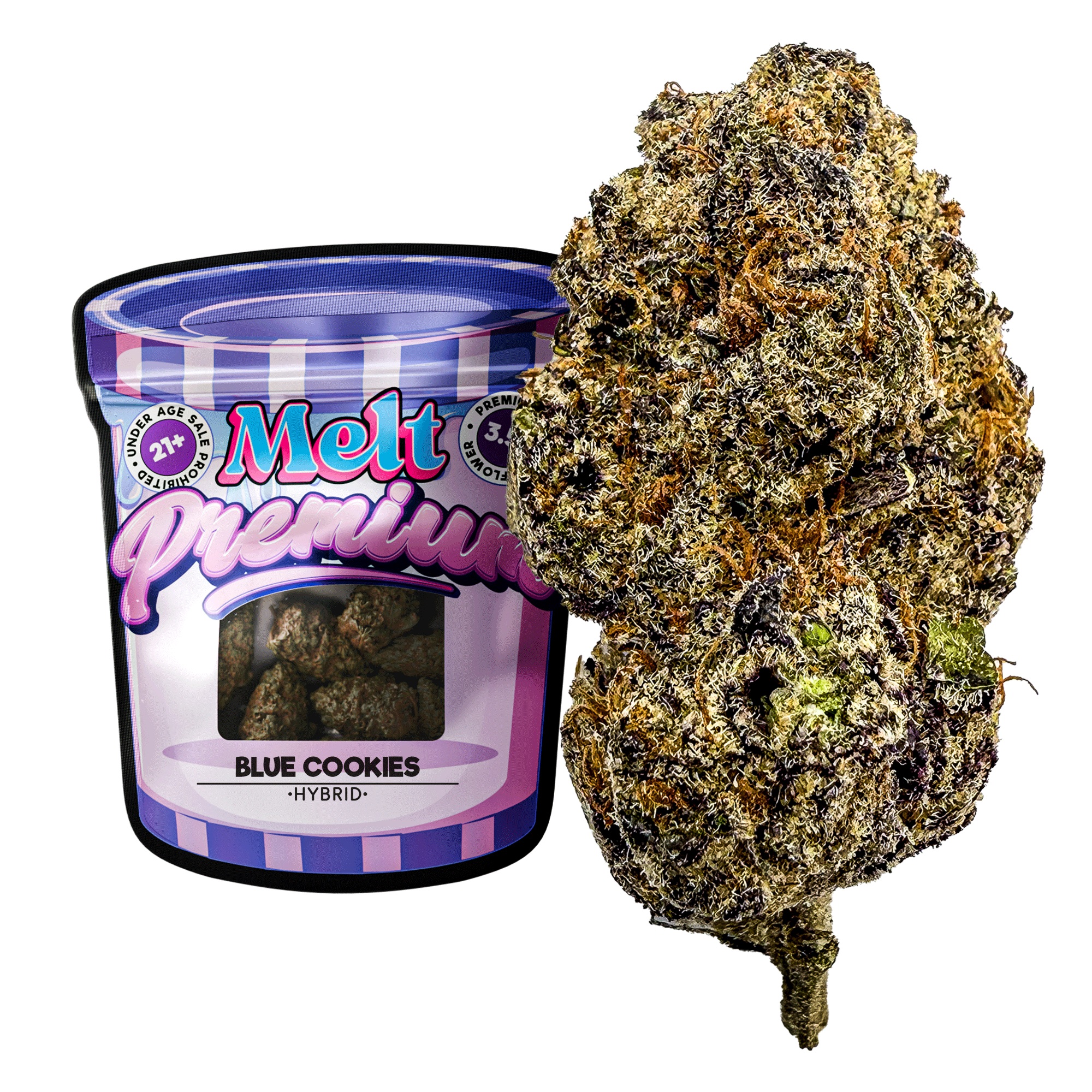
One option in this category is Melt's LA Confidential Indica THCA Flower, which the brand lists as a sun-grown indica offering with an earthy pine profile. That doesn't make it automatically right for everyone, but it's the kind of product where checking the cannabinoid and terpene information makes more sense than relying on the indica label alone.
How you consume THCA flower affects how fast it hits, how much flavor you get, and how easy it is to control your dose. For most adults using flower for evening relaxation, the main choices are smoking and dry herb vaping.
Smoking is the familiar route. A joint, bowl, or bong gives you fast onset and the classic flower ritual. The tradeoff is that combustion can mute some of the finer terpene detail and feel harsher for some people.
Dry herb vaping heats flower without full combustion. Many people prefer it because the flavor comes through more clearly, and it's easier to take smaller, more controlled pulls. If you're trying to understand how a strain really feels, vaping can make the terpene side of the experience easier to notice.
A simple comparison:
The best dosing advice is still the least glamorous. Start low and go slow. That matters even more with THCA flower because some jars are much stronger than they look to new shoppers reading only the Delta-9 line.
Try this approach:
Don't stack hits right away. Let your body tell you what that strain does.
Give it time to settle in. New users often think nothing's happening, take more, then get hit all at once.
If you want deeper body relaxation, add another small inhale rather than jumping to a huge second round.
Use indica-leaning flower when you don't need to drive, work, or handle anything important afterward.
A relaxing dose is the amount that softens the edges without making the night harder than it needs to be.
Keep water nearby. Don't mix heavily with alcohol if you're trying to read the strain clearly. If a flower feels heavier than expected, stop there and let it ride out.
For evening use, many people do best with a quiet environment, a low-stimulation plan, and nowhere they need to be.
Legality is where THCA flower gets confusing fast. The short version is that federal hemp rules and state cannabis rules don't always line up neatly.

The core federal framework comes from the 2018 Farm Bill. Under that approach, hemp products are generally judged by Delta-9 THC content on a dry-weight basis, not by how strong they may become after heating. That's the opening that allowed THCA flower to become such a major category.
The plant may test under the legal Delta-9 threshold before sale, while still carrying substantial THCA. Once a person smokes or vapes it, the experience can resemble conventional cannabis because heat converts the acid form into the active form.
That's the compliance puzzle in plain English. The flower can fit the hemp definition at the point of sale while still functioning very differently after use.
This video gives a useful visual overview of the issue:
Federal treatment is only part of the story. States can create stricter rules, and some do. Cities and counties can also add another layer of friction around possession, sale, shipping, or product type.
That means a product being sold online doesn't automatically mean it's okay where you live.
Use a simple legality checklist before ordering:
Treat THCA flower like a product that sits in a legal gray zone depending on your location. Don't assume federal language protects you everywhere. If your state or municipality has taken a tighter position, that local rule is what affects your real-world risk.
Buying smart means checking before the package moves, not after it lands.
If you're subject to workplace testing, probation testing, athletic testing, or any other THC screening, keep this simple. Smoking or vaping THCA flower can absolutely put you at risk of testing positive for THC.
That's the part too many people get wrong.

Drug tests usually aren't asking whether your THC came from dispensary cannabis or federally compliant hemp flower. They're looking for THC metabolites your body creates after processing THC.
When you smoke THCA flower, heat converts THCA into Delta-9 THC. Your body then breaks that down into the same kind of metabolic byproducts standard tests are built to detect.
So the logic is straightforward:
The test doesn't give bonus points for legal nuance.
According to Vicente LLP's THCA flower drug test FAQ, recent 2025 studies found that 42% of THCA users in Texas and Florida were flagged on workplace drug tests after smoking legal THCA flower.
That number matters because it cuts through the myth that THCA is somehow a safe loophole for tested users.
If you want a plain-language version focused on this exact issue, Melt also has a guide on THCA and drug tests.
If a drug test matters in your life, treat THCA flower the same way you'd treat any THC-producing product.
Don't rely on forum comments, smoke shop advice, or product marketing. If the consequence of a failed test is serious, the cautious move is simple.
A lot of cannabis confusion comes from labels. Drug tests cut straight past labels and focus on what ended up in your body.
That's why this topic deserves a hard answer, not a soft maybe.
If you're shopping for legal hemp-derived cannabinoids and want cleaner information before you buy, Melt offers THCA flower, prerolls, disposables, and edibles with third-party testing, strain-specific terpene details, and shipping restrictions where prohibited.
Your cart is currently empty.