



Free Shipping All Orders Over $95
You've got the destination picked. Cannabis is legal there. Your dispensary list is bookmarked. Then the lodging search starts, and every listing seems to say some version of “420 friendly” without telling you what that means in practice.
That's where trips go sideways.
A lot of travelers assume a weed-friendly hotel means you can light up in the room and relax. Sometimes it does. Often it doesn't. A property may allow edibles but ban smoking. It may permit vaping on a balcony but nowhere indoors. It may advertise itself as cannabis-friendly while still charging a cleaning fee if staff smell smoke in the room.
The gap between the label and the actual situation is where most problems happen. Surprise fees. Awkward front-desk conversations. Guests stepping outside only to realize local rules treat that area as public consumption.
The good news is that you can avoid nearly all of that with a better process. The smart move isn't just finding weed friendly hotels. It's learning how to decode the policy, verify the details, and match the property to how you consume.
The most common travel mistake is booking based on a badge, a keyword, or an old listicle. That's how people end up in rooms that are “friendly” in theory but restrictive in practice.
A better approach starts with one question. What exactly do you want to do at the property? Smoke flower indoors, step onto a private balcony, use a vape, take edibles in-room, or visit a dedicated lounge. Those are very different experiences, and hotels treat them differently.
Before you compare rates or neighborhoods, decide which of these best fits your trip:
That one decision narrows the field fast.
Practical rule: If a listing says “420 friendly” but doesn't state where, how, and what form of cannabis is allowed, treat the policy as unverified.
Most lodging problems don't happen because a hotel is anti-cannabis. They happen because staff are trying to protect rooms, avoid odor complaints, and keep housekeeping manageable. Once you understand that, the policy language makes more sense.
That's why the best cannabis trips feel boring in the best way. You know the house rules before arrival. You know whether the balcony counts as an allowed area. You know whether vapor is okay but smoke isn't. You know what to do with products before checkout.
That kind of clarity is what turns a legal-cannabis destination into a smooth stay instead of a stressful one.
“Weed friendly” is one of the loosest labels in travel. It can describe a rare in-room smoking property, a hotel with a single outdoor patio, a place that only tolerates edibles, or even a property that doesn't allow on-site use but doesn't overreact if guests consume elsewhere legally.
That's why the essential skill is classification.

Here's the hierarchy I use when reading listings and calling properties:
| Policy type | What it usually means | Best for |
|---|---|---|
| In-room consumption allowed | Cannabis use is permitted inside specific rooms or floors, usually under stricter operational controls | Guests who want maximum convenience |
| Designated outdoor areas | Use is limited to balconies, patios, courtyards, or marked exterior zones | Flower smokers who don't need indoor access |
| Vape or edible only | Smoking is banned, but lower-odor formats may be allowed | Travelers who want the least friction |
| Off-site only or tolerance without permission | The property may be culturally relaxed but doesn't authorize on-site consumption | Guests who are comfortable separating lodging from use |
The first tier gets the most attention online, but the middle tiers are more common.
The biggest operational issue isn't branding. It's air handling.
Industry coverage notes that many hotels separate being “allowed” from being “cannabis-friendly,” and that distinction often comes down to engineering. Some properties retrofit rooms with advanced oxidation cell filtration systems to manage odor, while others restrict use to outdoor patios or dedicated lounges to avoid burdening standard HVAC systems and soft furnishings, as described in TravelPulse's reporting on cannabis-friendly hotels and resorts.
That's the part many travelers miss. Hotel HVAC systems are usually built for ordinary odor control, not sustained smoke exposure. Once smoke gets into fabrics, curtains, carpet, and vents, housekeeping has more work and neighboring guests are more likely to complain.
A hotel's cannabis policy is often an engineering decision first and a marketing decision second.
If you want the least ambiguous stay, look for explicit language around consumption method and location. Those two details tell you almost everything.
What tends to work well:
What creates trouble:
The safest mindset is simple. Don't book the label. Book the actual permission.
A legal state doesn't give you universal permission to consume wherever you're staying. Cannabis travel runs on layers of rules, and each layer can limit the one above it.
A tiered system of regulations is in place. State law sets the broad legal framework. Local law can tighten how and where consumption happens. Hotel policy adds another private-property rule set on top of both.

There's a real business case for lodging operators to pay attention to cannabis travelers. A Colorado study found that after recreational dispensaries were legalized, monthly hotel revenue rose 25.2%, equal to about $63,671 per hotel per month, driven by a 7.9% increase in room-night bookings and a 16.0% rise in daily room rates, with effects that continued even six years after legalization. A related finding showed legal possession increased room rentals by about 4%, while commercial sales increased them by about 7.2%, with room rates rising by $6.31 (3.8%) when sales were legalized, according to academic research on legalization and hotel performance.
That helps explain why cannabis-friendly lodging has become more visible. It also explains why hotels stay cautious. More demand doesn't erase odor control, local ordinances, smoking restrictions, or private-property liability concerns.
Before you assume a stay is compliant, verify these layers:
If state law says yes, local law says maybe, and hotel policy says no, the answer is still no.
Travelers often encounter confusion regarding consumption. A balcony may feel private but still sit within a policy the hotel doesn't permit. A lounge may be legal and managed, while a parking lot is not. A dispensary nearby doesn't mean your room is approved for use.
Good cannabis travel isn't about pushing the edge. It's about removing uncertainty before you arrive.
Finding weed friendly hotels is easy. Finding one that matches your actual consumption habits and won't surprise you at check-in takes work.
Most search results lean on broad labels. That's not enough. Current travel coverage highlights a major compliance gap: the market is concentrated in a few legal states like California, Nevada, and Colorado, rules vary widely by property, and a cannabis-friendly label online isn't enough to infer legality or safety without direct verification from the property, as noted in this overview of the rise of cannabis-friendly hotels.
Start wide, then tighten.

A video walkthrough can also help you think through the search process before you book.
This step matters more than any search filter.
Call the property and ask questions that force clear answers. Don't ask, “Are you 420 friendly?” Ask this instead:
Those questions do two things. They give you the definitive rule, and they reveal whether staff truly understand it.
You're not only listening for yes or no. You're listening for precision.
Good signs:
Bad signs:
The more a hotel depends on informal tolerance, the more likely you are to absorb the risk if something goes wrong.
Once you get a clear answer, keep a record. An emailed confirmation is ideal. If that's not available, note the date, time, and what was said.
This isn't about arguing later. It's about avoiding misunderstandings before you arrive.
The fastest way to make weed friendly hotels less friendly is to act like the rules don't matter. The best cannabis travelers are the ones hotel staff barely notice because they follow the policy, keep odor under control, and leave the room in good shape.
That's not just courtesy. It protects access for everyone else.
Hotels worry about two things more than anything else: lingering odor and guest complaints. If you keep those under control, most of the friction disappears.
A few habits go a long way:
Some travelers insist on flower no matter what. That's fine if you've booked a place built for it. It's a terrible fit for a hotel that only tolerates cannabis without fanfare or clearly limits use to low-odor formats.
Edibles are often the simplest travel option because they don't load the room with smoke or force you to hunt for a compliant place to light up. Vapes can also fit better when the property distinguishes between smoke and vapor. The key is choosing the format that works with the hotel, not against it.
Good etiquette is strategic. Every low-drama stay makes it easier for the next traveler to book the same property without extra rules.
Don't turn a hotel into your personal smoking lounge unless that's exactly what the hotel has designated. Avoid strong hallway odor, loud balcony sessions, or leaving product out where staff have to work around it during service.
A good rule is simple. If a non-consuming guest in the next room would notice your session, you're probably pushing too far.
Cannabis travel gets smoother when travelers treat permission as a shared privilege, not an invitation to test boundaries.
Not every market looks the same. Some cities have a high concentration of cannabis-friendly lodging. Others stand out because they offer lower nightly costs or because their lodging scene is built around a specific model, such as purpose-adapted hotels or outdoor-use spaces.
A 2024 U.S. data study on weed-friendly stays found that Boulder, Colorado had the highest concentration among major cities with 104.3 weed-friendly rentals per 100,000 residents, followed by Burlington, Vermont at 87.5, Las Vegas, Nevada at 57.3, Scottsdale, Arizona at 46.5, and Portland, Maine at 43.8. The same study found Columbus, Ohio had the lowest average nightly rate among the most affordable weed-friendly rentals at $127.64, with Spokane, Washington at $141.67 and Portland, Oregon at $149.65.

Boulder and Burlington show what density looks like. In markets like these, travelers are more likely to find multiple lodging options rather than chasing a single standout property.
That doesn't automatically mean broad indoor smoking access. It usually means you have a better chance of finding a stay whose rules fit your style, whether that's a private patio, a more relaxed rental host, or a low-odor setup that doesn't create conflict.
Las Vegas is different. It's a major destination market, but the lodging model often depends on clearly controlled spaces and infrastructure. Industry coverage has pointed to examples like The Lexi, where cannabis-friendly rooms use a RestorAir filtration system with advanced oxidation cell technology intended to reduce odor persistence and airborne residue after indoor use.
That tells you something important about Vegas-style cannabis lodging. It often works best when the property has built for it, not when it tolerates it.
Columbus is useful for a different reason. At an average nightly rate of $127.64 in that affordability ranking, it shows that cannabis-friendly lodging isn't limited to obvious premium vacation hubs.
For budget-minded travelers, that matters. If your priority is a compliant, uncomplicated stay rather than a marquee tourism scene, lower-cost cities can be worth a serious look.
A smooth cannabis trip usually comes down to a handful of decisions made in the right order. Use this as your final run-through before you book and before you travel.
The best weed friendly hotels are the ones where nothing surprising happens. You know the rules, follow them, and enjoy the trip.
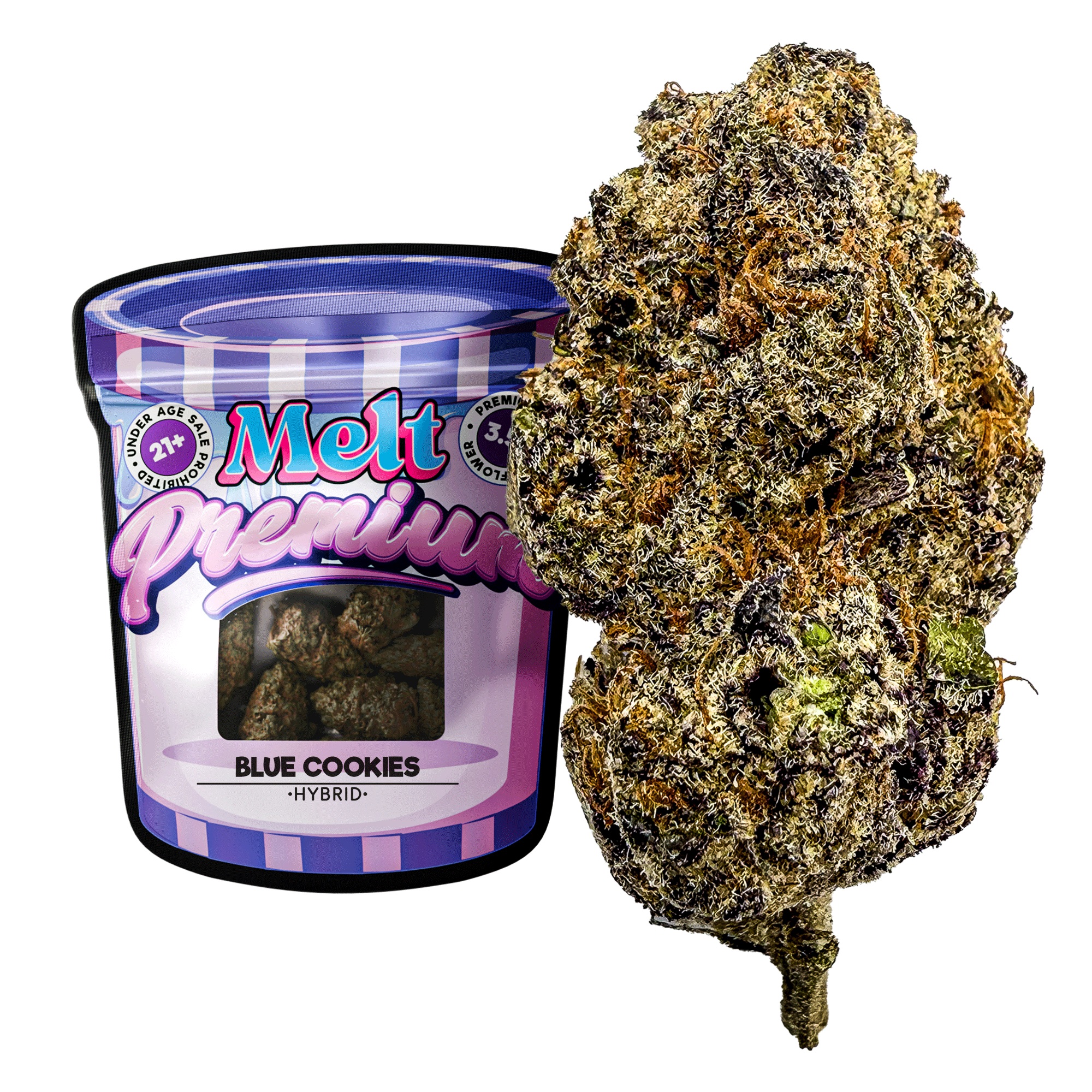
If you want travel-friendly cannabis options that fit a lower-odor, lower-hassle style of use, Melt offers a California-crafted lineup of hemp-derived products including gummies, disposables, prerolls, and THCA flower, with third-party testing, transparent lab reports, and discreet shipping where allowed.
Your cart is currently empty.